
The Canadian grocery market is concentrated. Loblaws, Sobeys, and Metro between them control a majority of conventional-grocery shelf space in most major Canadian cities. The corporate records of those parents have varied dimensions worth knowing about before the routine shopping choice happens.
What the consolidation actually looks like
Loblaws Companies Ltd. owns: Loblaws, Fortinos, No Frills, Real Canadian Superstore, Shoppers Drug Mart, T&T Supermarket, plus the private label President's Choice.
Sobeys owns: Sobeys, FreshCo, Foodland, Safeway (Western Canada), Farm Boy, IGA (Quebec).
Metro owns: Metro, Food Basics, Adonis, Première Moisson.
Other concentrations: Walmart Canada, Costco, the Buy-Low / Save-On Foods chains in Western Canada.
The published corporate records vary in what they carry. The two largest both have documented public-position records on Israel-related sponsorship; Loblaws' parent has been a recurring sponsor of "Walk With Israel" community events during the 2023-2025 Gaza conflict, with similar position reporting on Sobeys. Beyond geopolitical positioning, the same parents have records on supply-chain audits (food-safety recalls, supplier dispute outcomes), wage-policy responses, and lobbying activity against food-pricing inquiries.
Where else groceries live — the ethnic grocer alternative
The cheapest, closest grocer isn't the only option. Two GTA examples on the same affordability tier:
Oceans Fresh Group (incl. Oceans Food Market, Nations Fresh Foods, Grant's Food Market)
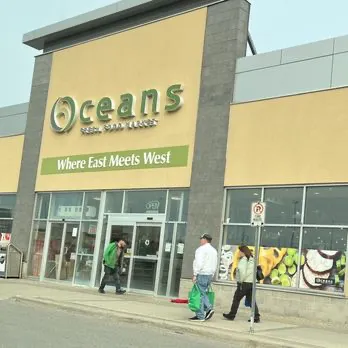
- 8 GTA locations.
- Competitive pricing on staples; deeper inventory on East Asian and pan-Asian product lines.
Iqbal Foods
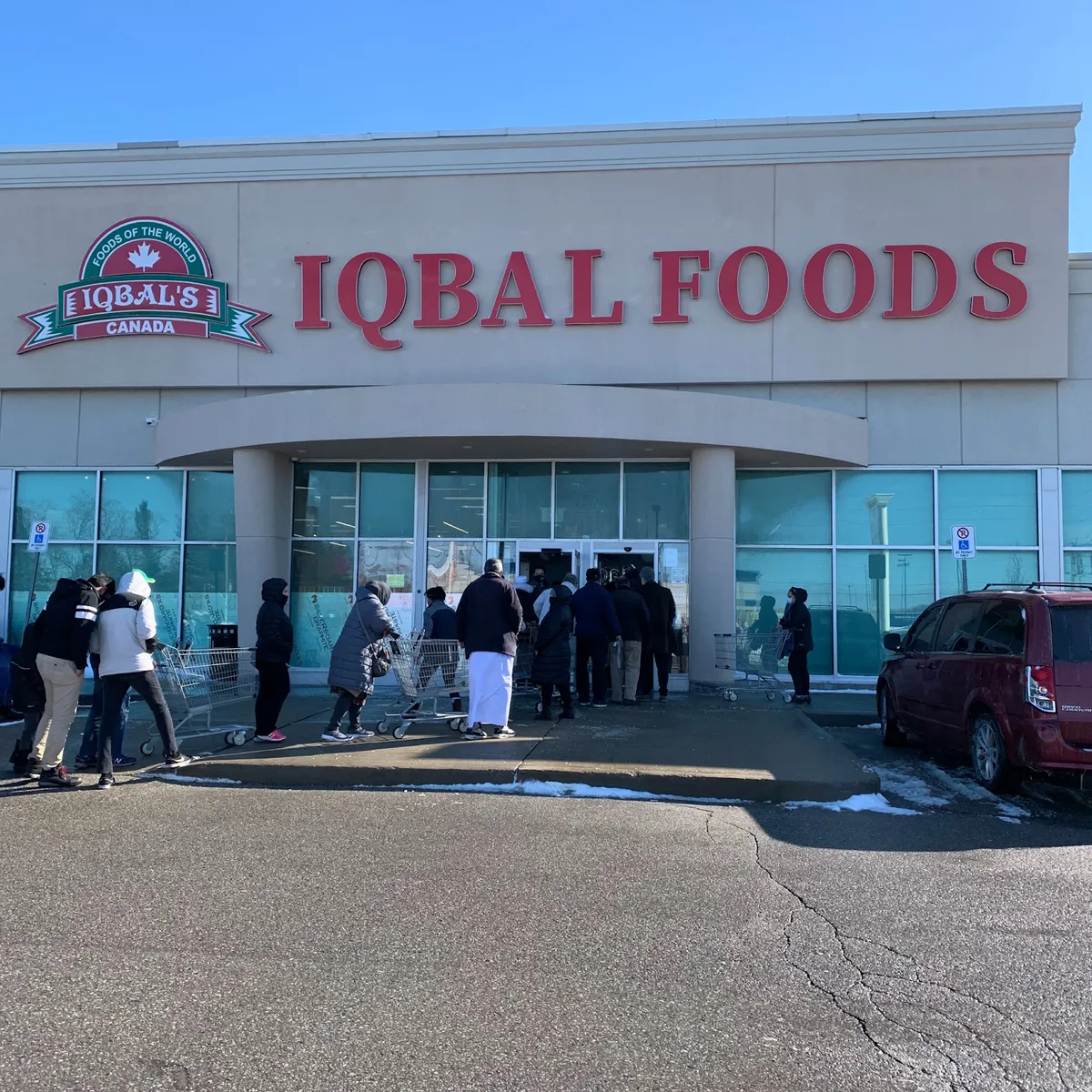
- 5 GTA locations.
- 100% halal-certified meat and grocery operation.
- Strong inventory on South Asian, Middle Eastern, and African product lines.
Salaaz hasn't audited either chain's full supply chain; their published disclosures and certifications are the source.
The case for local farms — what the volume buys you
The structural advantage of local-farm produce isn't only ethical; it's nutritional and biological.
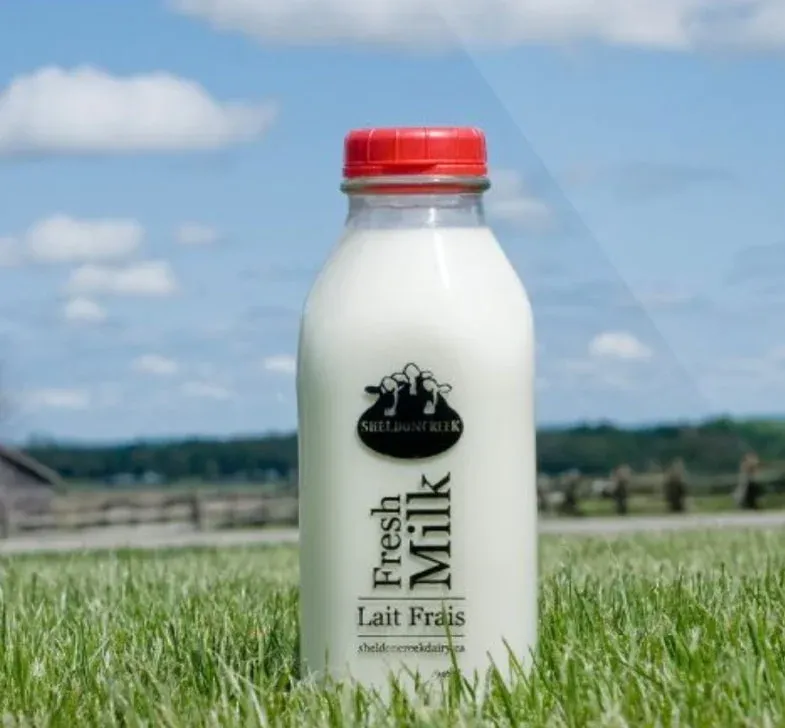
- Higher nutrient retention. A 2022 Tufts Nutrition Letter synthesis documented vitamin and phytonutrient degradation during multi-thousand-mile shipping and cold-storage cycles — local produce typically arrives with measurably higher nutrient density.
- Microbiome correlation. A 2023 Science Daily synthesis of emerging research linked local-soil produce to gut-microbiome and immune-system support consistent with regional environmental adaptation.
- Lower pesticide load. A 2023 Ecological Economics paper documented organic and small-farm production carrying substantially lower documented pesticide residue than industrial-agriculture equivalents.
- Regional immune adaptation. A 2013 Clinical and Experimental Allergy paper documented the protective effect of regional microbial exposure on local allergen and environmental-stressor response.
- Whole-food bias. Farm-stand purchasing structurally biases toward whole foods over ultra-processed.
What follows
The structural answer isn't to vilify every conventional grocer — they're how most North Americans access food. The structural answer is to make the alternative ecosystem visible: ethnic grocers, farmer's markets, local CSAs, food co-ops. Each one diversifies the dependency away from the three-parent oligopoly.
For adjacent reading, see our piece on the broader ultra-processed grocery economy, our look at the SAWP migrant-labour problem in Canadian agriculture, and our piece on better-farming standards at the producer level.