
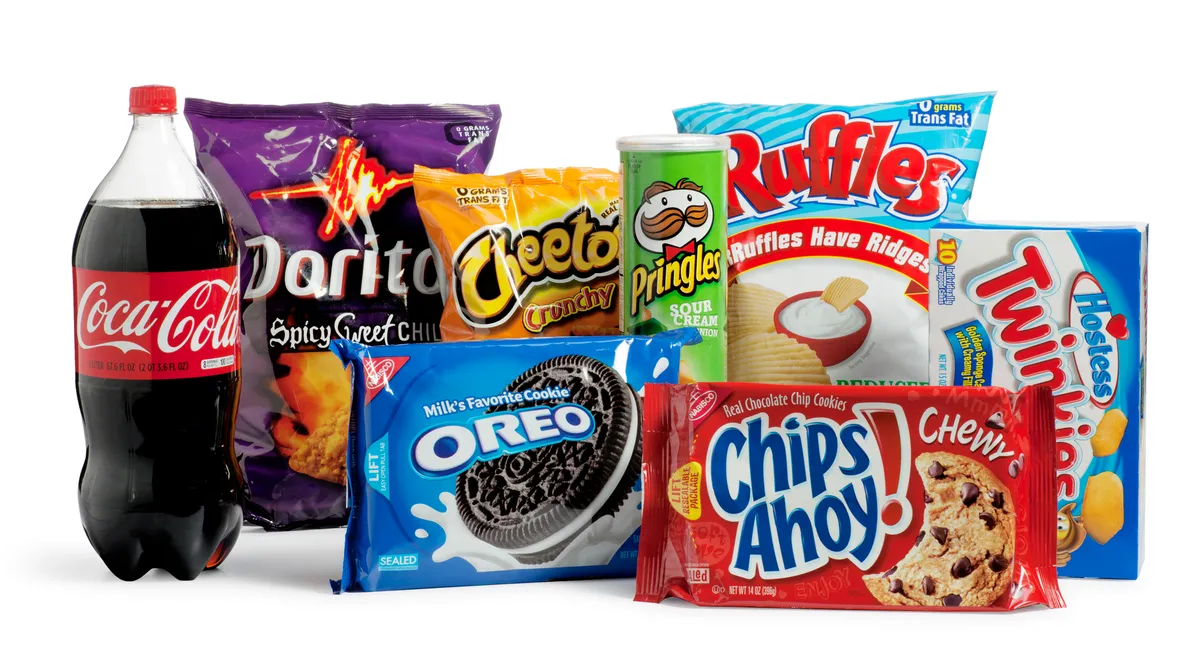
Ultra-processed foods account for more than 50% of the average American adult diet and roughly 60–70% of the shelf inventory at a standard supermarket. Six companies — Nestlé, Coca-Cola, Mondelez, Kellogg's, Kraft Heinz, and Mars — manufacture a substantial share of the category, and their financial structure is, broadly, indifferent to the chronic-disease load their products carry.
Three specific chemistry concerns
-
Artificial food colour. A 2012 Neurotherapeutics review found artificial food colours (AFCs) exacerbate ADHD symptoms and produced measurable behavioural changes in non-ADHD children at typical dietary exposures. The colours of concern — Brilliant Blue, Sunset Yellow, Red 40, Tartrazine — remain legal in North American manufacturing despite repeated petition attempts.
-
Added sugars. A 2023 Frontiers in Nutrition review aggregated the evidence linking high added-sugar intake to type-2 diabetes, several cancers, dental caries, and acne; even non-caloric sweeteners showed associations with cardiovascular disease and adult depression at sustained high intake.
-
Emulsifiers. A 2024 Lancet Diabetes & Endocrinology paper found high intake of synthetic emulsifiers correlates with cardiovascular disease and gut-barrier dysfunction. The compounds named — sodium carboxymethyl cellulose (CMC), polysorbate-80, carrageenan — appear in a substantial fraction of dairy substitutes, baked goods, and ready meals.
The diabetes correlation
Global diabetes prevalence has risen four-to-fivefold over the past several decades. The WHO estimates approximately 830 million people worldwide currently live with diabetes; the Canadian Public Health Agency reports the disease affects nearly 10% of the Canadian population. The curve maps onto the industrialisation of processed foods more closely than onto any other single variable.
The good news is the inverse correlation also holds. A long-running Harvard cohort study found dietary change can reduce type-2 diabetes incidence by approximately 60% over a measured period, with effects independent of exercise and weight loss.
Two manufacturers doing the comparison work
The point isn't that snacks are categorically bad. The point is that the chemistry of mass-produced snacks is doing a different job than the chemistry of artisanal ones at similar price points.
Taza Chocolate Makers (Massachusetts)
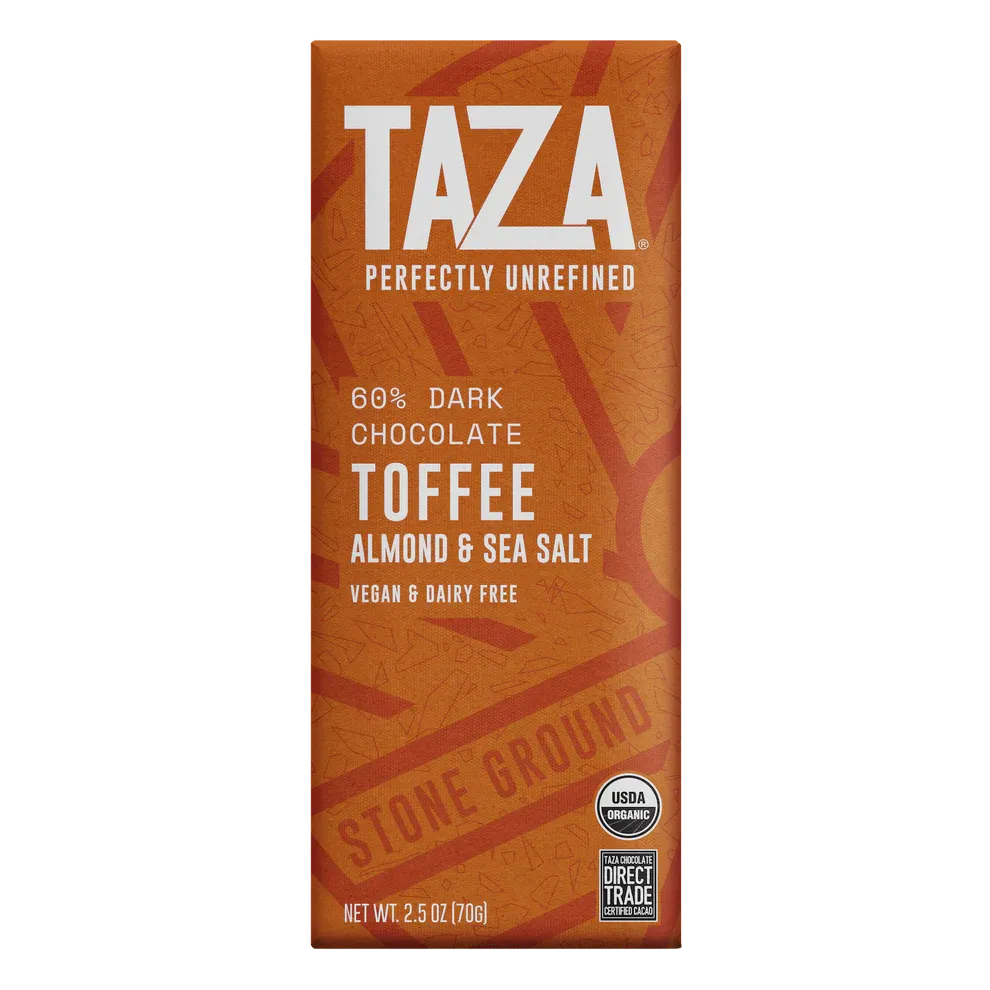
- Stone-ground cocoa, minimally refined.
- Direct-trade sourcing model with published farm-level pricing.
- Short ingredient list — typically cocoa, sugar, and one flavour element.
Hardbite Handcrafted Style Chips (British Columbia)
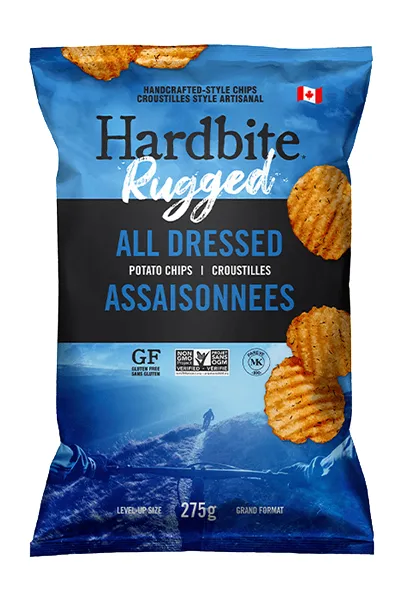
- No synthetic preservatives.
- Non-GMO; cholesterol-free.
- Distributed through Canadian independent grocers.
Salaaz hasn't independently audited either manufacturer's supply chain; the published disclosures are the source. Neither is positioned as a health food — both are snack manufacturers with shorter ingredient lists than their multinational peers.
What follows
Real change here is structural — labelling reform, lobbying transparency, manufacturing standards — and that's a slow-moving policy problem. What's available in the meantime is reading the ingredient list before the front-of-pack design. For adjacent reading on how the industry resists transparency reform, see our piece on corporate greenwashing and our look at lobbying against nutrition labelling. For the children's-snack subset of the problem, see our piece on ultra-processed snacks marketed to kids.