
The kindergarten lunchbox has two common configurations. One holds whole fruit, vegetables, a sandwich, and water. The other holds a Lunchables tray, a fruit-flavoured drink pouch, a chip pack, and a packaged dessert. The second configuration is now sufficiently common that, on aggregate, children in the US and Canada derive approximately two-thirds of daily caloric intake from ultra-processed foods. That's the chemistry below.
What the chemistry actually contains
- Heavy metals and plasticisers in branded school-lunch products. Consumer Reports' 2024 testing of Lunchables found elevated lead and cadmium levels in multiple SKUs, plus phthalate plasticiser residue. The branded Mr. Beast co-licensed line tested in the same range.
- Mortality correlation across the category. A 2024 BMJ prospective meta-analysis linked ultra-processed food consumption to all-cause mortality across multiple endpoints — cardiovascular, metabolic, and inflammatory bowel disease.
- Chronic-disease load. A 2023 Frontiers in Nutrition review aggregated the cohort evidence linking ultra-processed food consumption to obesity, cardiovascular disease, IBD, several cancer classes, and common mental disorders including depression and anxiety.
- Distributional impact. A 2022 Nutrients paper found ultra-processed food consumption disproportionately affects lower-income families on cost, availability, and advertising-targeting dimensions — converting the health load into a class-based health disparity.
The manufacturer's response
Kraft Heinz's statement on the Consumer Reports findings, reproduced in the original reporting:
"The classification of foods should be based on scientific evidence that includes an assessment of the nutritional value of the whole product, not restricted to one element such as a single ingredient or the level of processing."
The argument is technically correct: a food's overall nutrient profile matters. The argument is also incomplete: a product carrying lead and phthalates contains them regardless of how much protein and fibre are listed elsewhere on the panel. The two facts are not in tension.
Quick whole-food alternatives
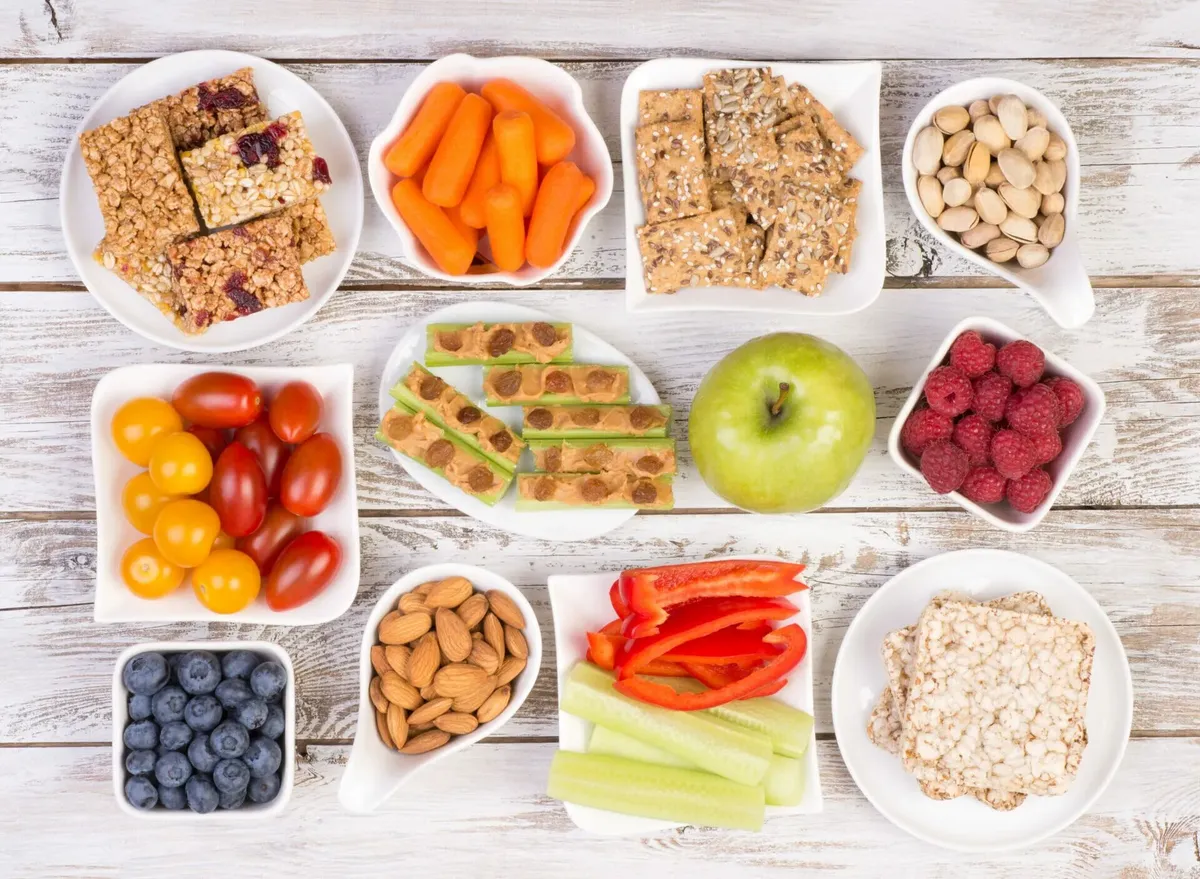
Five categories of school-lunch whole foods that don't require commercial prep:
- Fresh fruit — apple slices, mandarins, berries, banana, grapes.
- Vegetables with dip — hummus, guacamole, Greek-yogurt-based dressings; carrot, cucumber, cherry tomatoes, bell pepper.
- Protein component — hard-boiled egg, cheese sticks, plain yogurt, nuts (where school policy permits).
- Whole-grain carb — dark rye crackers, oat-based granola, popcorn (air-popped, not microwaveable).
- Dessert component — dark chocolate squares (70%+), dates.
A Canadian manufacturer with shorter ingredient lists
MadeGood (Toronto)
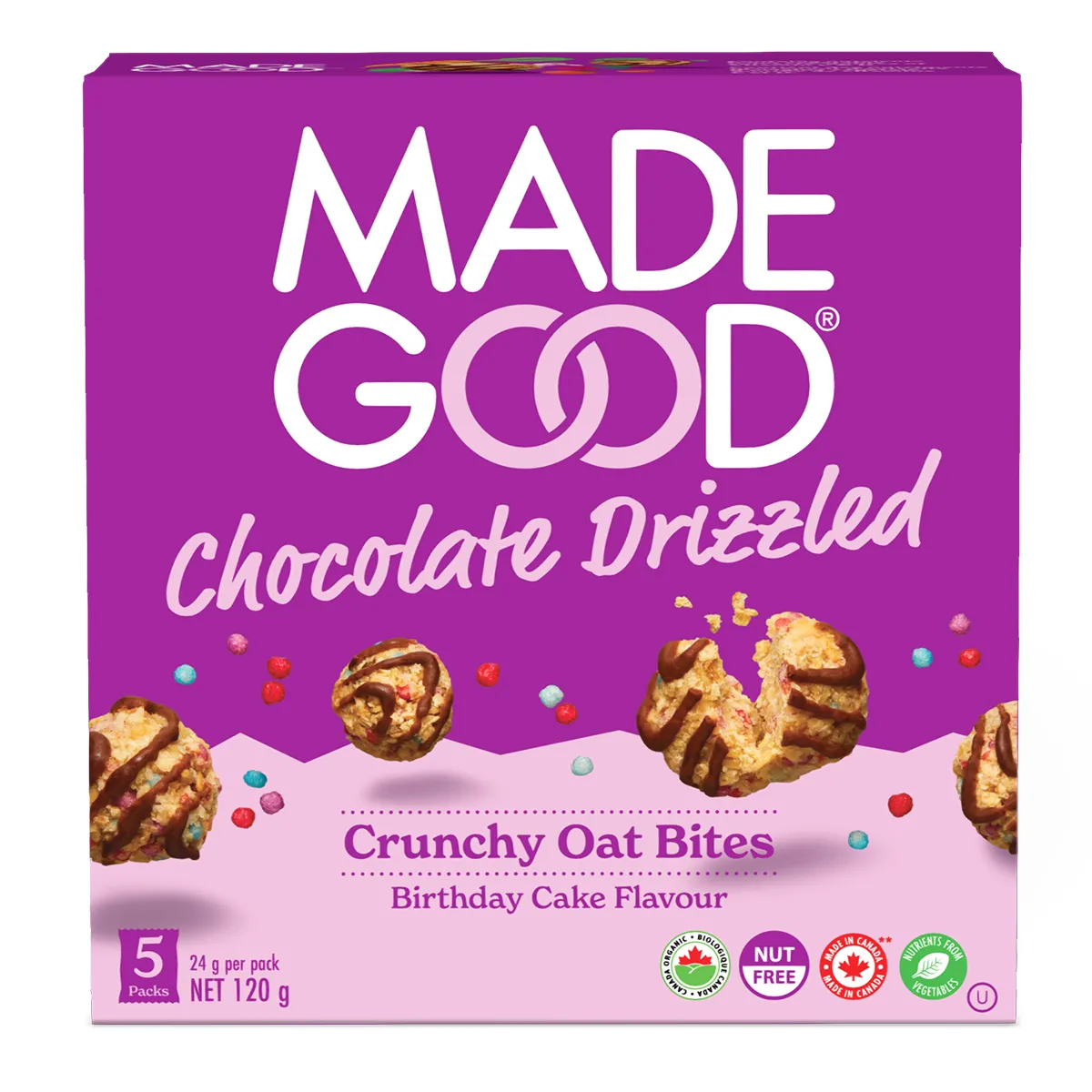
- USDA-certified organic.
- Non-GMO verified.
- Top-eight-allergen-free manufacturing facility.
- Shorter ingredient lists than the multinational equivalents in the same shelf category.
Salaaz hasn't independently audited MadeGood's full supply chain; their published certifications are the source.
What follows
For adjacent reading, see our piece on the broader grocery-store ultra-processed economy, our look at sweet-tooth ingredient chemistry and the bliss point, and our piece on corporate lobbying against nutrition disclosure.