
Brand storytelling sits on three patterns that operate below the visible product: lobbying against rules that would make labels more truthful, engineering label terms that pass legal review while misleading the reader, and manufacturing demand for problems consumers didn't previously have. Each pattern has documented examples.
Pattern one: lobbying against transparency
The corporate-policy work that determines what a label is allowed to say happens upstream of the label itself.
- Nutrition disclosure. The Canadian Beverage Association, of which Coca-Cola and PepsiCo are member companies, has lobbied against front-of-pack nutrition warnings and sugar excise taxes in Canada.
- Wage regulation. Tim Hortons franchisees publicly reduced employee benefits and breaks in response to Ontario's 2018 minimum-wage rise, reframing a wage policy debate as a service-quality issue.
- Climate regulation and youth communication. Canadian fossil-fuel companies, including Suncor, have funded educational outreach to children that frames the industry's role in the climate transition favourably while opposing stricter emissions rules in legislative submissions.
These aren't unusual cases. They're the standard playbook for any incumbent that prefers the current rule set.
Pattern two: label engineering
Where lobbying preserves the rule, label engineering optimises the words inside it.
Ultra-processed foods on the label. The category carries a substantial body of evidence linking it to chronic disease, yet labels regularly route around the perception. A few examples:
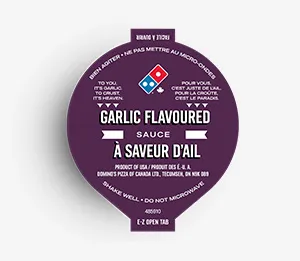
Domino's "Garlic Flavoured Sauce" — soybean oil, additives, and a hint of garlic flavouring. Almost no garlic.
The label-engineering trick is the modifier. "Flavoured," "style," "blend," "product" are the legal escape hatches. They let the marketing imply a category the ingredient list does not satisfy.
The same pattern moves through other categories:

"Silk feel" scarves: polyester satin. The word "silk" without the modifier would invite a consumer-protection complaint; with the modifier, it doesn't.
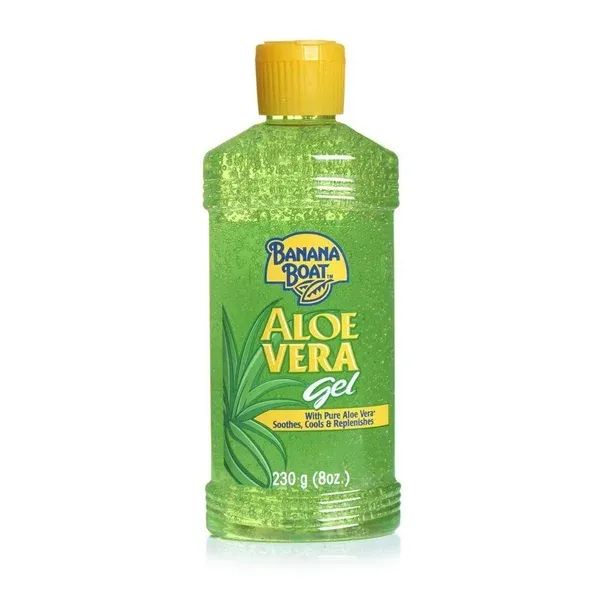
"Aloe vera gel": typically water, glycerin, and thickeners with trace aloe content. The percentage requirement on the front of pack is not legally fixed in most markets.
When you spot a category-implying noun preceded by an adjective — style, feel, blend, product — the adjective is doing legal work the noun cannot.
Pattern three: manufactured demand
The third pattern is harder to see because it operates one layer earlier: it asks consumers to want something they did not need.
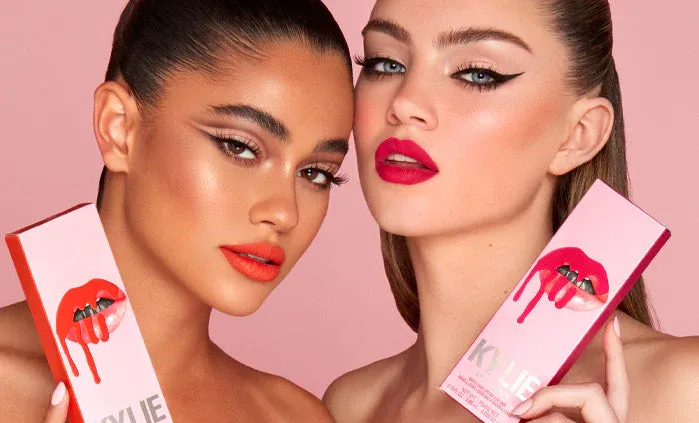
The mechanism has three steps:
- Set an ideal. Advertise a narrow range of body, skin, hair, and feature norms; saturate the visual environment with it.
- Sell the solution. Every deviation from the ideal becomes a product opportunity — bronzers and self-tanners for those positioned too pale, lightening creams for those positioned too dark, the same logic running in both directions.
- Normalise the upkeep. Lash extensions, gel nails, lip filler, Botox — once adopted, each requires a maintenance budget that recurs monthly for as long as the user retains the look.
The pattern is most visible in cosmetics but isn't unique to it. For an extended treatment of how the ideal-body pattern operates in particular, see our piece on the construction of the ideal-body image, and our broader piece on misleading marketing claims and information ethics.
What follows
The defence is unromantic: read the ingredient list before the front-of-pack design, treat modifier adjectives as legal flags, and notice when a product solves a problem you didn't have before you saw the advertisement. Our framework for evaluating consumer brands collects the full checklist.