
A NOW Foundation reference puts body-image dissatisfaction at 53% among 13-year-old girls and 78% by 17. The pattern isn't ambient. It's the downstream effect of an image economy that pays models to embody a baseline most of them can't sustain themselves — Adriana Lima, a former Victoria's Secret model, described the diet regimen explicitly in 2017 and said she didn't want young women interpreting it as healthy.
The economic engine is straightforward: an unreachable baseline produces sustained insecurity, sustained insecurity produces sustained purchase intent.
Three restriction diets that get marketed as health
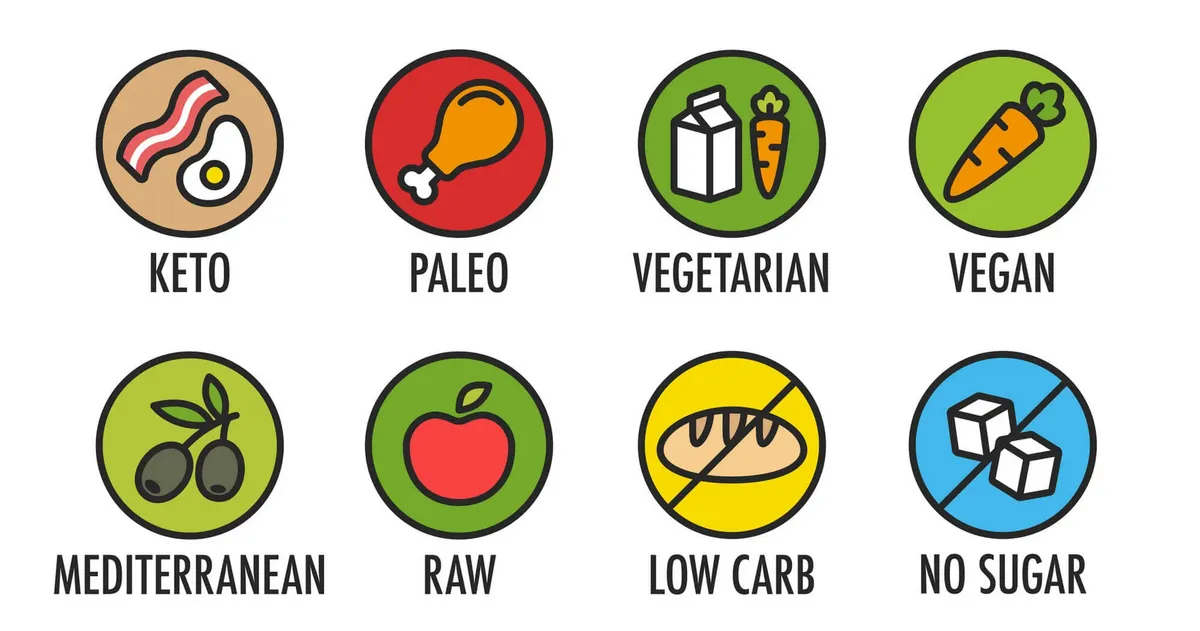
The product layer downstream of the image layer is the diet industry. Three of the most-marketed restriction patterns:
-
Keto. Eliminates almost all carbohydrate to force ketosis as a metabolic state. Harvard Health's standing review notes the diet carries documented associations with liver and kidney strain and with nutritional deficiencies when held over months rather than weeks. Short-term weight loss is real; the medium-term metabolic costs aren't well captured in the marketing.
-
Fruitarian. Restricts intake to raw fruit, with claims around chronic-disease reversal that don't appear in any controlled clinical literature. The diet is structurally protein- and micronutrient-deficient — iron, calcium, B12, omega-3 fatty acids — and produces clinical malnutrition within months at sustained adherence.
-
Carnivore. All animal-source, zero plant. Harvard Health notes the diet's cardiovascular-risk profile rises sharply from saturated fat load alone, with limited controlled evidence to support the health claims circulated socially.
Each diet has authentic adherents and short-window improvement stories; that isn't the same thing as a sustainable pattern.
What the evidence actually supports
The most-replicated dietary pattern in the cardiovascular and metabolic-disease literature isn't a restriction diet — it's the Mediterranean pattern. A 2022 Nutrients review aggregated the trial evidence and consistently ranked the pattern at or near the top for blood-sugar stability, cardiovascular outcomes, and longevity correlates.
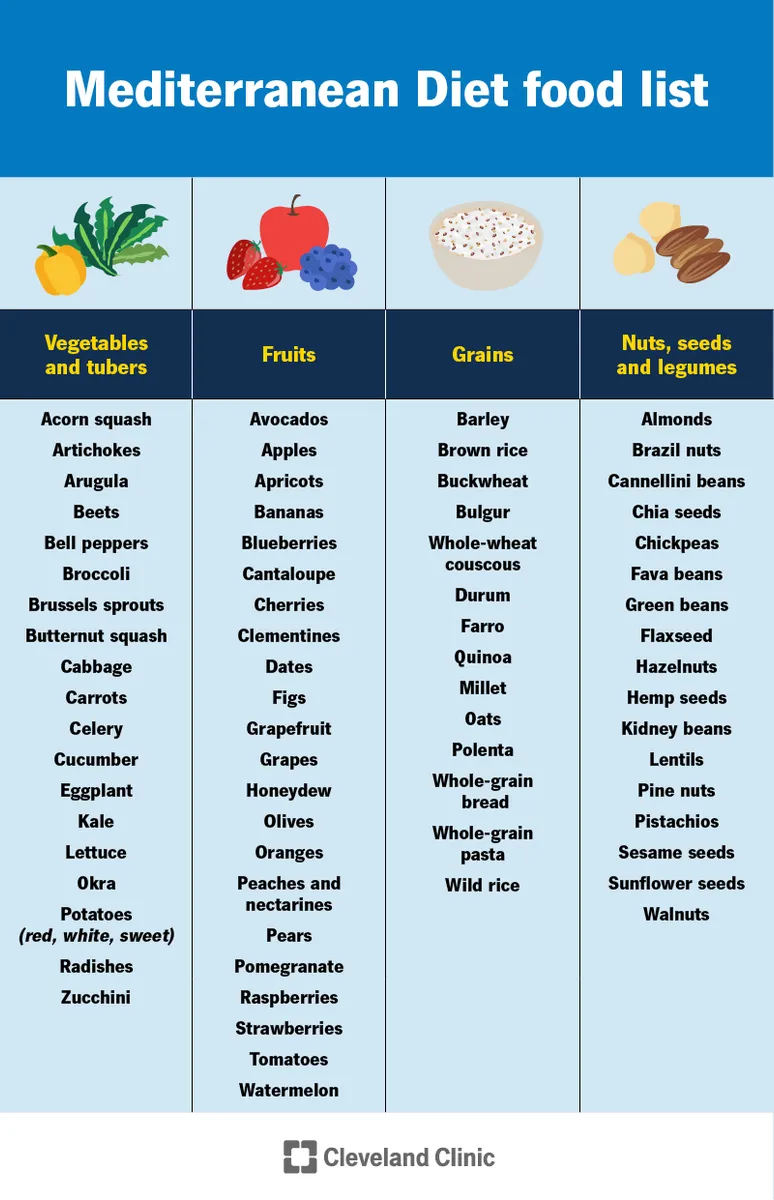
The pattern includes — rather than restricts — fats (olive oil, fish), carbohydrates (whole grains, legumes), animal protein (in moderate quantities), dairy (mostly fermented), and substantial produce. The pattern's signal feature is breadth of food categories, not narrowness.
What follows
The image, the insecurity, the restriction-diet category, the supplement upsell, and the cosmetic-procedure tier are pieces of the same revenue funnel. Recognising the funnel is the prerequisite to stepping out of it.
For more on how that funnel operates in cosmetics and beauty, see our piece on the construction of manufactured demand. For the children's-snack and food-marketing subset of the same problem, see our piece on snacks targeted at kids and our look at the supplement industry's claims.