
The Canadian residential school system closed in 1996. Slavery was abolished by statute in 1834. Both facts are accurate; both are taught. Neither describes the present.
The Seasonal Agricultural Worker Program (SAWP), administered by Employment and Social Development Canada, brings agricultural workers from Mexico and the Caribbean to Canadian farms under permits tied to a single employer. Scholars at York University's Osgoode Hall law school and the United Nations Special Rapporteur on contemporary forms of slavery have both, on the record, characterised the program's terms as patterns of modern indenture.
What the program's terms actually do
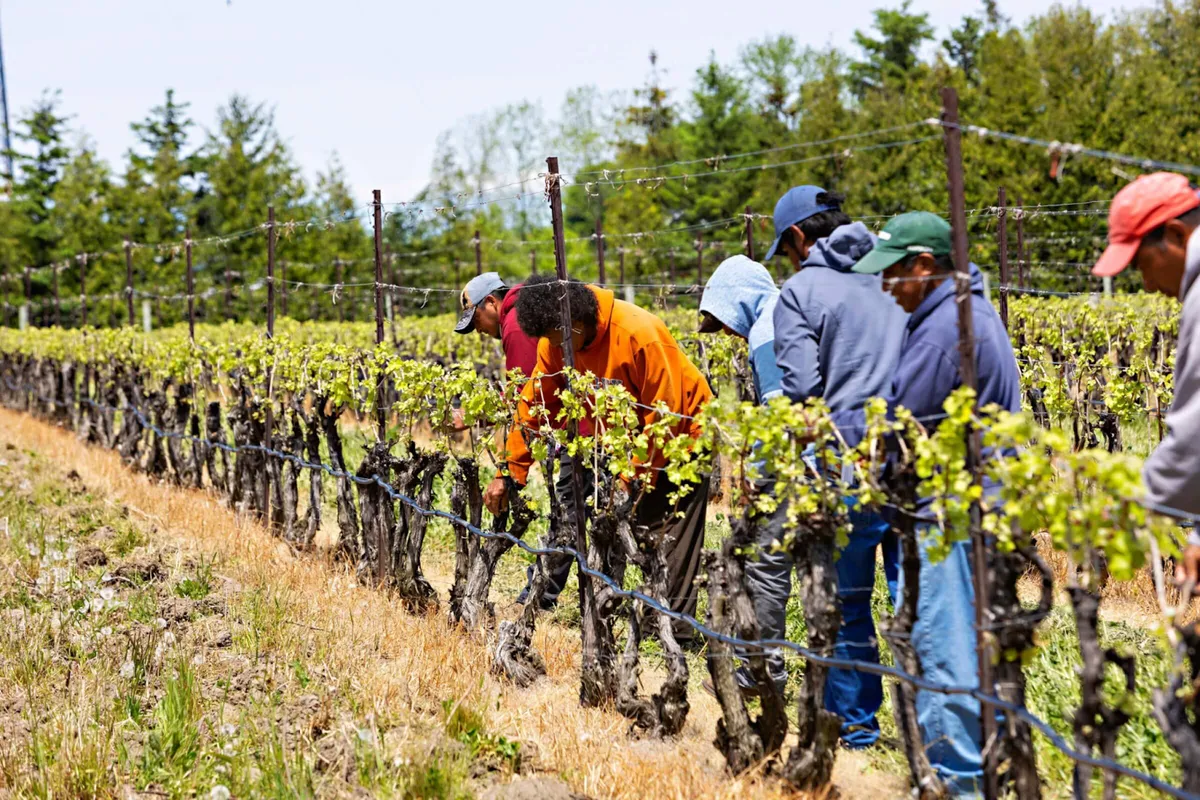
The documented patterns:
- Piecework pay structures tilted to favour employers, per a 2024 ARAISA labour report, where workers must exceed high productivity floors to clear the nominal hourly minimum.
- Disciplinary penalties routinely deployed to enforce compliance — wage docking, threat of contract non-renewal, and threat of repatriation.
- Restricted mobility, with employers limiting workers' off-farm time and gating visitor access, per the Migrant Workers Alliance for Change.
- Employer-provided housing sited in remote rural locations with intermittent telephone and internet service.
- Severe overcrowding — a 2022 Osgoode Hall paper documented bunkhouses sleeping eight per room with 62 workers sharing a single facility.
- Sanitary conditions sufficiently substandard that a 2022 CBC News report documented Jamaican workers writing open letters citing rat and snake infestations and portable washroom failures.
- Family separation by program design — the visa class does not permit family accompaniment.
- Race-based housing segregation between Mexican and Caribbean cohorts on multiple farms, per Osgoode field research.
- No pathway to permanent residency within the program's structure — a 8-month repeating circulation rather than a settlement track.
What ties the list together is permit-employer linkage: the worker's right to remain in Canada depends on staying with the named employer. That single legal mechanism is what makes the rest of the list operative.
Two organisations doing work against the program's defaults
Migrant Workers Alliance for Change
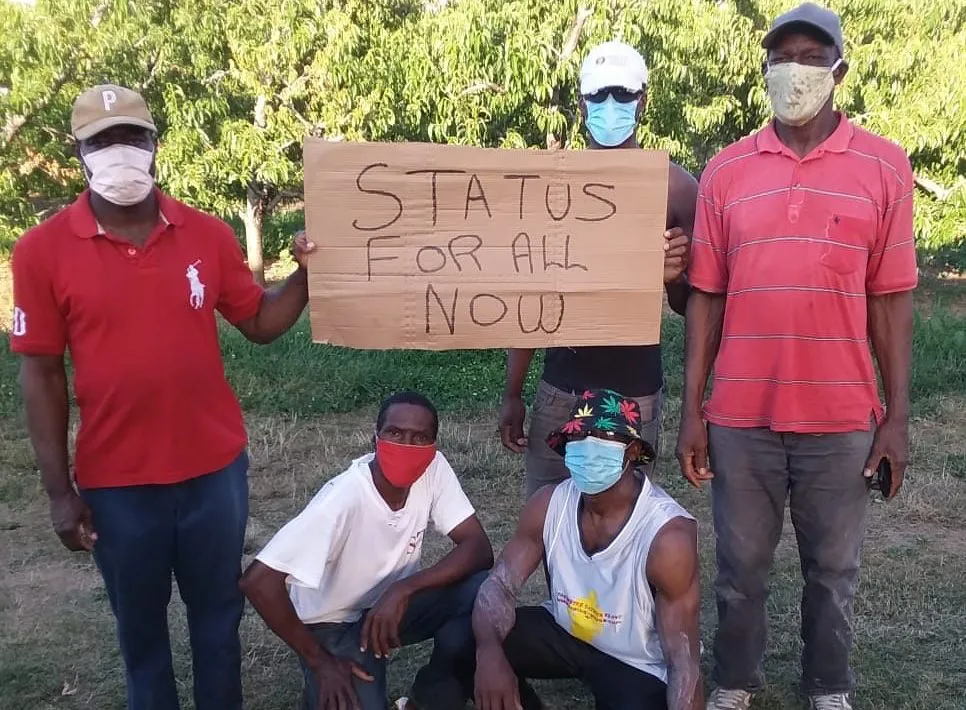
A worker-led coalition pursuing legal reform, public reporting, and direct support for SAWP workers. Donations and policy submissions are the leverage they ask for.
RoweFarms (Ontario)
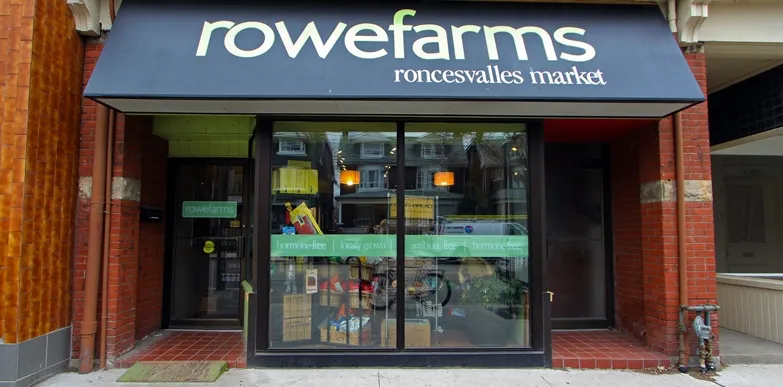
- Local partnership model with named partner farms in Ontario and Quebec.
- Disclosed wage and labour-practice terms with partner farms.
- Seven retail locations across southern Ontario.
Salaaz hasn't independently audited RoweFarms' partner labour practices; the company's published disclosures are the source. The principle is buying from a chain that names its participants, where the alternative is buying from a chain that doesn't.
The international context
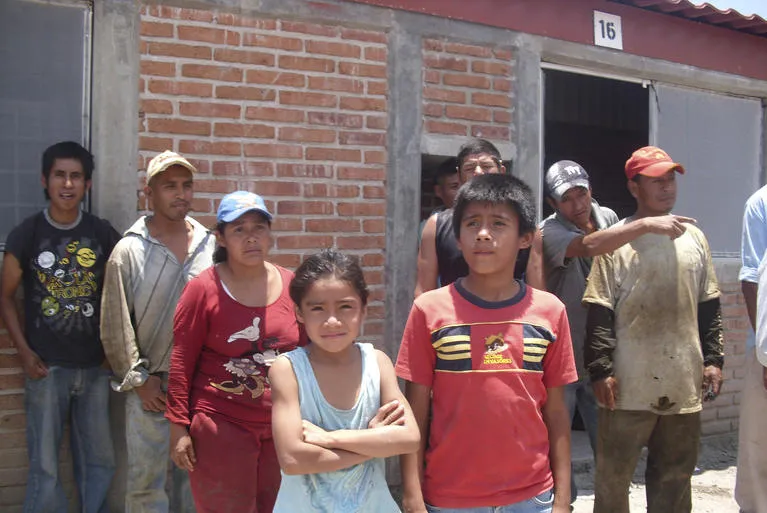
The SAWP isn't a uniquely Canadian failure. A 2014 Los Angeles Times multi-part investigation documented child labour and labour-camp conditions across the Mexican export-produce sector supplying Canadian and US grocery chains. Where the SAWP delivers labour into Canada under employer-tied permits, the Mexican-export model delivers labour into produce that crosses the border without the worker. Both routes end on the same shelf.
For adjacent reading, see our pieces on the prison-and-processed-food labour pipeline, sustainability and better farming practice, and supply-chain labour exploitation in the beauty-services sector.