
A $10 manicure has a labour-cost component. The Guardian's 2020 investigation into the UK and US nail-salon sector documented worker conditions in the lower-tier salons consistent with the international labour-trafficking definition of "modern slavery" — wage withholding, document confiscation, deportation threats, and excessive hours. BBC News documented parallel patterns in UK salons in a separate investigation.
The massage / spa parallel
A separate set of documented patterns runs through the licensed-massage and spa-business sector. CBC News documented sex-trafficking patterns within licensed Toronto-region spas; a 2023 Macdonald-Laurier Institute paper documented the regulatory loopholes that let trafficking operations hold business licenses by registering as legitimate spa businesses. Specific cases:
- April 2024, Waterloo Region. A man and woman were charged with operating a "spa" profiting from coerced sexual services from hired workers.
- September 2025, Peel Region. Peel Regional Police charged a man with sex-trafficking offences connected to a spa-style business in Mississauga; the allegations involved coerced services in parallel with the licensed cosmetic operation.
- US scale. Polaris Project's research catalogue documented over 9,000 illicit massage businesses operating in the US in 2018, distributed across every US state.
The regulatory loophole is structural: police often cannot prosecute the trafficking pattern unless the victim self-identifies, and the conditions of trafficking are designed to prevent that.
The chemistry under the cuticle
Beyond the labour patterns, the chemical exposure for both workers and clients carries documented profiles:
- Acetone (in nail-polish remover) — per the Canadian Centre for Occupational Health & Safety, sustained exposure produces nausea, dizziness, dermatitis, and central-nervous-system effects in occupational cohorts.
- MMA (Methyl Methacrylate) acrylic systems — Health Canada classifies MMA as restricted for nail use; the chemistry produces nail-bed deformity, chemical burns, respiratory sensitisation, and severe allergic reactions. MMA is illegal for nail use in Canada but remains legal for other industrial uses, and substantially cheaper than the EMA (ethyl methacrylate) substitute. The cost differential routes some operations toward the illegal product.
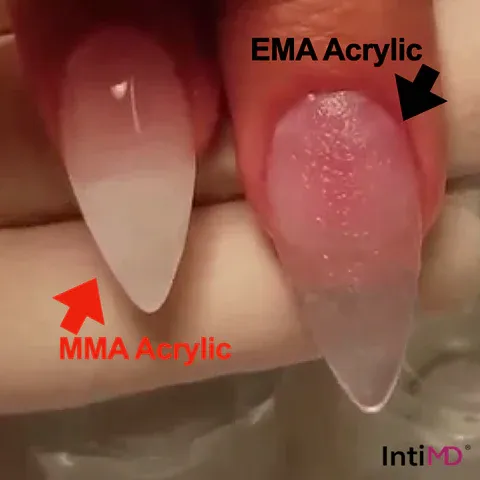
The salon-side incentive isn't only the per-service margin. A separate documented pattern involves planned obsolescence at the nail-bed level — services applied at intensity that damages the underlying nail, ensuring return visits to repair or cover the damage.
One audited home-use alternative
Amara (halal, lower-toxicity nail polish)
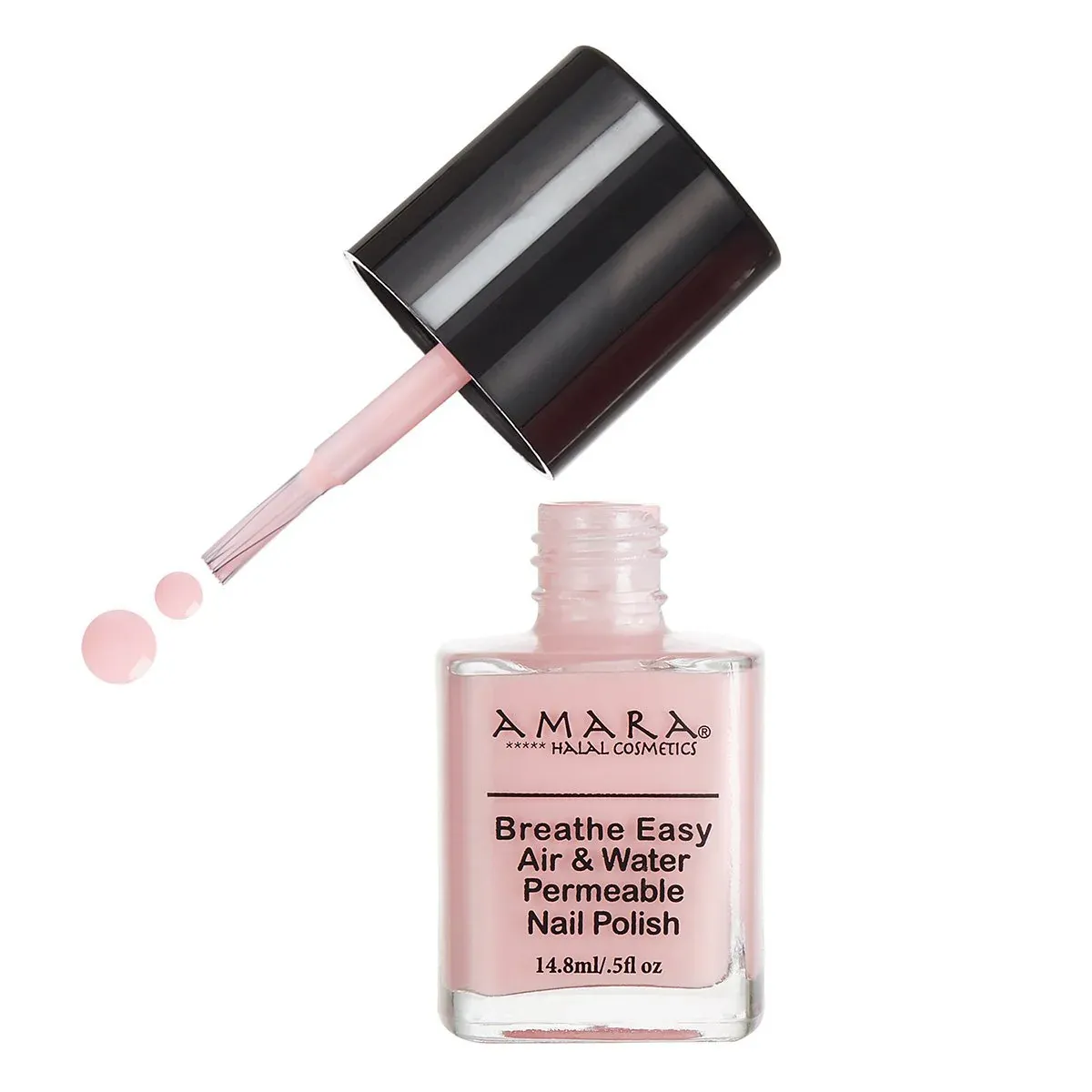
- Free of four common toxic ingredients: toluene, formaldehyde, dibutyl phthalate (DBP), and camphor.
- IFANCA halal-certified breathable formulation.
- Cruelty-free.
- 10-colour range at retail.
Salaaz hasn't audited Amara's full supplier chain; their published certifications are the source.
What follows
The lower-tier service-sector labour and the lower-tier chemistry tend to travel together — the operations cutting cost on the worker-condition side often cut cost on the chemical-input side as well. Paying closer to the median price point at a salon is partial protection, not a guarantee; asking about MMA-versus-EMA specifically, and about employee terms, is the consumer-side test.
For adjacent reading, see our piece on labour conditions in the broader beauty-supply industry, our look at SAWP migrant-labour patterns in Canadian agriculture, and our piece on cosmetic-regulation gaps in North America.