
L'Oréal's market capitalisation sits at approximately $200 billion. The corporate record that capitalisation rests on spans almost a century and carries several patterns worth documenting independently.
Animal testing — the protocol
Cosmetic animal-testing is the older of the documented patterns. The standard test protocols include:
- Draize tests — acute dermal and ocular irritation testing with substances applied to shaved skin or dropped into the eye.
- Oral toxicity tests — forced ingestion at dose escalation.
- Lethal dose (LD50) tests — dose escalation until lethality, the historical standard for toxicity ranking.
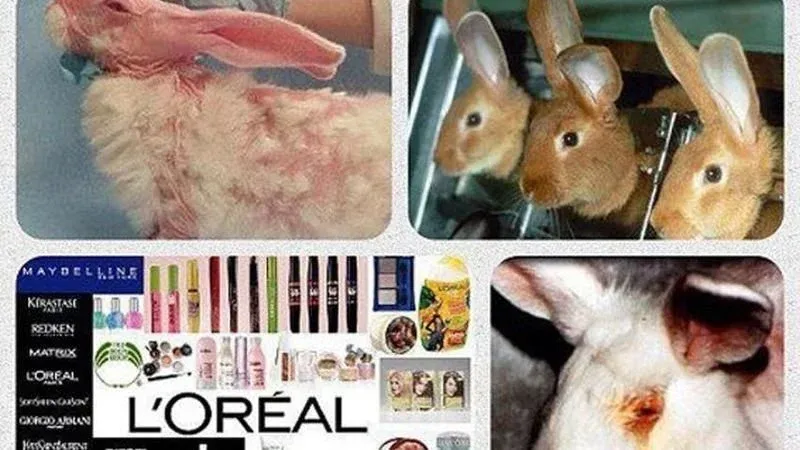
The EU banned cosmetic animal testing in 2013. The US, Canada, and several major Asian markets have not — though Canada's 2023 Food and Drugs Act amendment moved partially in the direction. L'Oréal continues animal testing where required by jurisdiction (most notably for mainland-China market entry), per the company's own published policy.
Mica — child labour in the supply chain
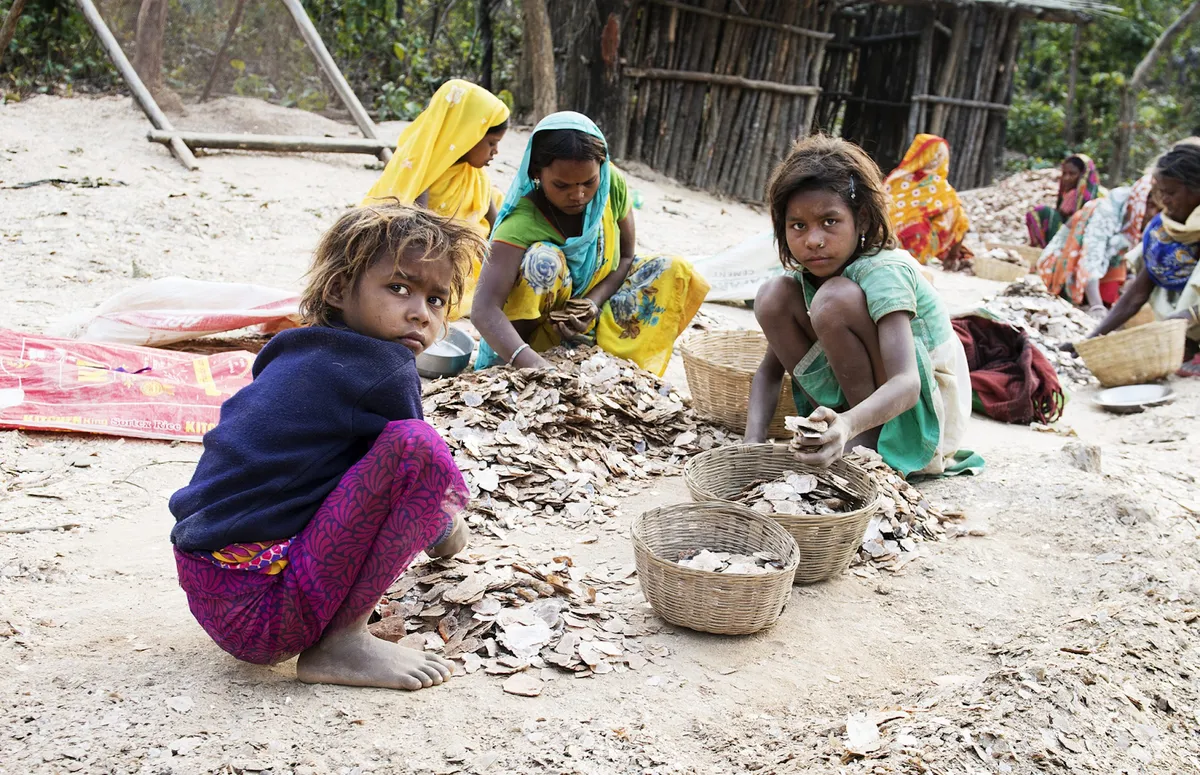
Mica is the mineral that delivers shimmer in eyeshadow, blush, lipstick, and many highlighting products. The supply chain has a well-documented problem. A 2019 SOMO and Terre des Hommes Netherlands joint investigation documented approximately 62% of mica workers in Madagascar's mining regions are under 18, with the Indian Jharkhand mining region carrying parallel child-labour patterns at scale. China is a primary intermediary processor for mica entering global cosmetic supply chains.
The founder's wartime record
A separate piece of the corporate inheritance traces to Eugène Schueller, the L'Oréal founder, and is on the record through TIME magazine and Business Insider reporting:
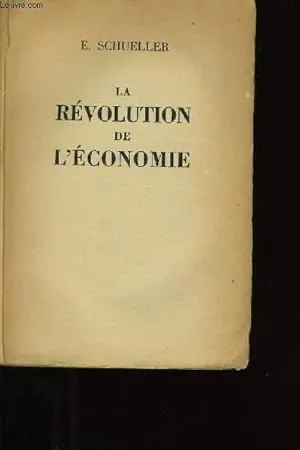
- Schueller's 1941 book La révolution de l'économie carries explicit pro-fascist economic argumentation, per TIME magazine's "Scandal: L'Oréal's Dark Roots" archive piece and Business Insider's longer reporting on the secret-society network.
- Post-war French court proceedings concerning Schueller's relationship with Helmut Knochen — a senior Nazi police commander later convicted of war crimes — were documented in the same TIME piece; Schueller was acquitted on witness testimony.
- Subsequent litigation in the 1990s by former L'Oréal shareholder Jean Frydman surfaced additional internal evidence; some primary documents were subsequently archived offsite per the Ghost Archive record.
Current-period operations
Beyond the legacy record, recent corporate disclosures and BDS-movement documentation cover several current-period concerns:
- L'Oréal awarded a $100,000 research grant to a scientist at Israel's Weizmann Institute, which has documented military-research programmes in nuclear, chemical, and biological weapons development.
- L'Oréal sources Dead Sea mineral ingredients via concessions on territory under documented Israeli occupation per UN classification.
- L'Oréal's Israeli operations occupy site contested as the ethnically-cleansed Palestinian village of al-Mujaydil.
The L'Oréal sub-brand portfolio includes Garnier, Maybelline, Urban Decay, NYX, L'Oréal Paris, La Roche-Posay, CeraVe, Lancôme, Yves Saint Laurent, and many others.
Alternatives with disclosed corporate records
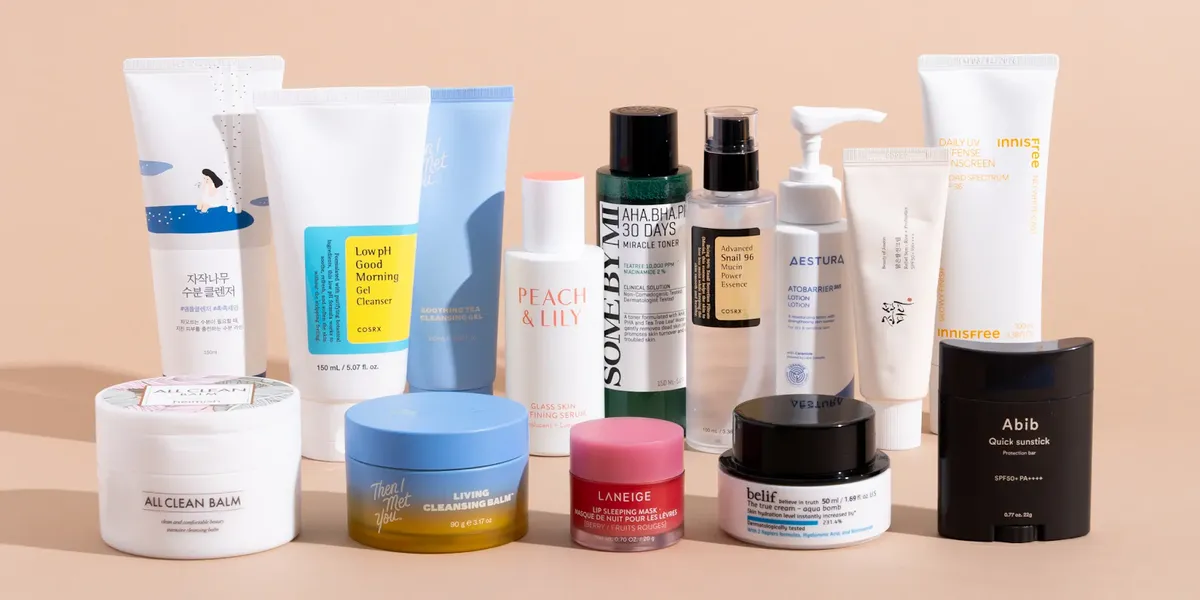
- K-beauty. South Korea banned cosmetic animal-testing in 2018; the K-beauty sector includes a broad product range with disclosed cruelty-free certification.
- Huda Beauty. Founded and led by Huda Kattan, who has publicly aligned with Palestinian agricultural preservation initiatives; certified cruelty-free.
- SimiHaze Beauty. Founded by Simi and Haze Khadra; cruelty-free certification; the founders have publicly used the platform on the Gaza humanitarian situation.
More affordable cruelty-free options include Colourpop, Milani, and LA Girl.
What follows
Reading the corporate parent on cosmetic products carries information the front-of-pack does not. The L'Oréal portfolio is broad enough that the consumer-side test is to look up the parent before purchase — the brand-level cruelty-free claim doesn't extend up the ownership tree.
For adjacent reading, see our piece on cosmetic-regulation gaps in North America, our look at fragrance chemistry, and our piece on hair-care brand ownership patterns.