
A brand's name and its actual manufacturing geography are routinely uncoupled. Three documented cases in the hair-care category where the consumer-facing branding implies one origin and the operational reality is another.
Moroccanoil — branding implies Morocco
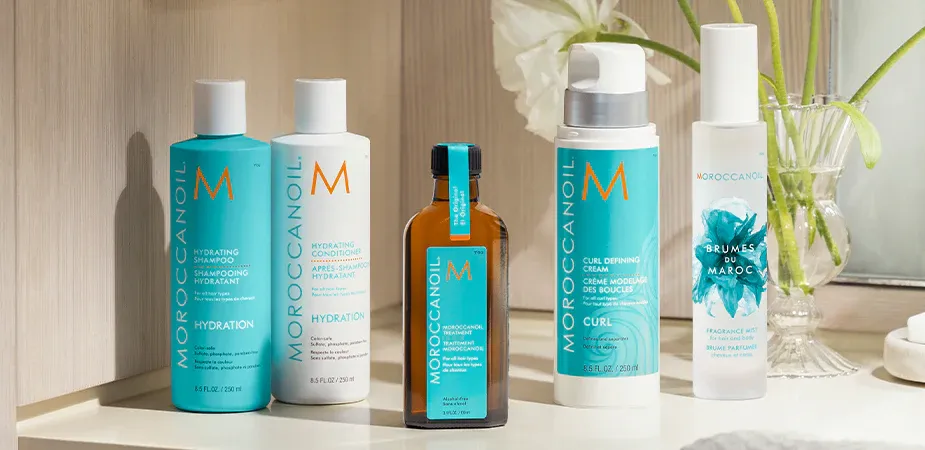
The brand identity rests on Moroccan argan-oil heritage. The manufacturing reality is different. Electronic Intifada's reporting documented Moroccanoil's principal production facilities as Israel-based, totalling over 80% of production volume. The "Moroccan" identity is a marketing position, not a manufacturing reality.
- Revenue scale. IncFact reports annual revenues between $100M and $500M as of 2023.
- E-commerce specifically. Approximately $38.1M in 2024 online sales per ecommerceDB data.
The Morocco-of-origin claim does appear in the brand's terms of service in technical form, but the front-of-pack branding doesn't make the operational reality readily visible.
Amika — quiet change in disclosure
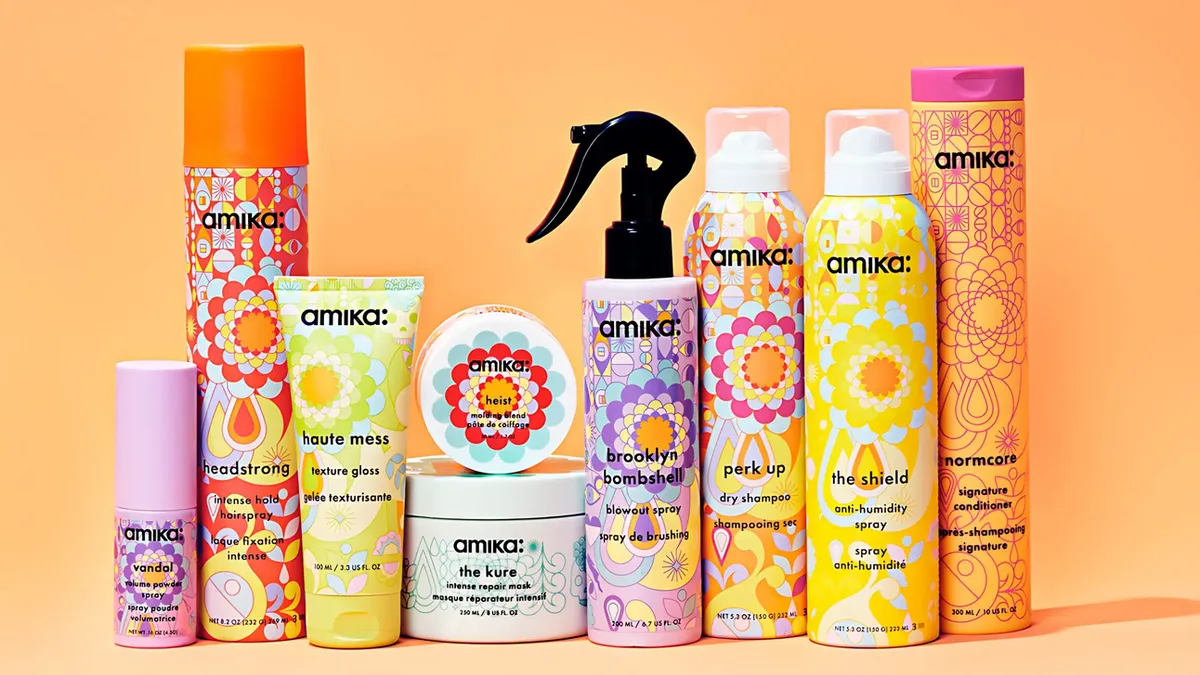
Brooklyn-headquartered, Israel-manufactured per Conscious Bunny's review of the brand's previously-disclosed supply-chain documentation. The brand previously listed all manufacturing plants — including Israeli sites — on packaging and on the website. After the BDS movement directed attention at the brand, the published disclosure was rolled back: manufacturing-location detail was removed from bottle copy and reduced to "United States" framing on the public-facing website.
- Revenue scale. Glossy's coverage of the Bansk Group acquisition in 2022 projected 2023 revenue in the $175M–$200M range.
This is the more telling case of the three: the disclosure didn't change because the manufacturing changed. The disclosure changed because the attention pattern changed.
Procter & Gamble — the upstream investment
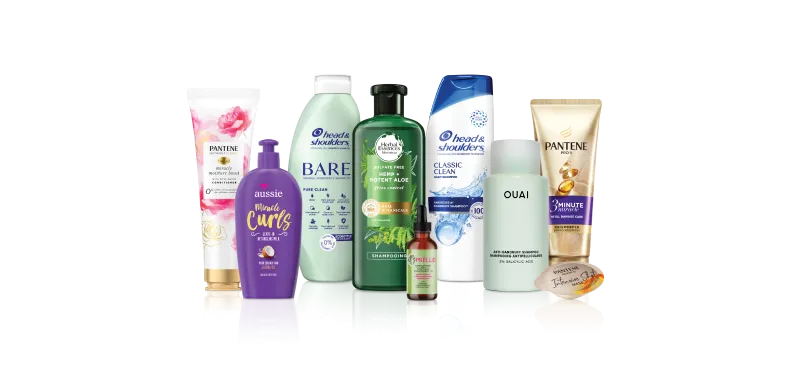
P&G's hair-care portfolio includes Head & Shoulders, Pantene, Herbal Essences, and Rejoice per the company's investor disclosures. The financial scale:
- FY2024 net sales. Approximately $84.04 billion company-wide, a 2.48% YoY increase.
- Beauty-segment Q2 2024. $3.85 billion in segment-specific sales, 1% YoY.
- R&D investment in Israel. A 2012 Forbes piece documented P&G reinvesting approximately $2 billion annually into Israeli startup R&D; subsequent year reporting has confirmed continuation of the investment programme.
What honest brand-origin disclosure looks like
The honest disclosure baseline:
- Country of manufacture named at the city or region level, not at the "designed in / made in" level that the modifier obscures.
- Parent company named explicitly on the product page or panel.
- Manufacturing-site list published and stable — not adjusted for marketing optics.
For consumer-side reading: the parent-company line on a personal-care product carries information that the trademark name does not. Reading the parent — Procter & Gamble, Unilever, L'Oréal, Estée Lauder, Coty, Henkel, Kao — is the consumer-side test.
For adjacent reading, see our piece on the L'Oréal corporate record specifically, our look at North American cosmetic-regulation gaps, and our piece on label-engineering patterns more broadly.