
The regulatory baseline for what's allowed in a cosmetic product varies more between jurisdictions than most consumers realise. The European Union's Cosmetic Regulation 1223/2009 bans approximately 1,328 ingredients from cosmetic use. The US FDA's prohibited-ingredients list bans 11. Both lists apply to products sold by the same multinational companies in both markets.
Why the gap exists
The mechanism is the regulatory philosophy. The EU operates on the precautionary principle — an ingredient is restricted until industry submits adequate safety data. The US operates on a risk-based model — an ingredient is allowed until adverse evidence accumulates. A 2022 Cosmetics paper documented the operational differences across the two regulatory regimes at the ingredient level.
The US Personal Care Products Council (PCPC) represents L'Oréal, Procter & Gamble, Unilever, Johnson & Johnson, and approximately 600 other manufacturers; the industry-association policy track record includes active lobbying against stricter US ingredient bans in multiple recent legislative cycles.
A short list of what's permitted in the US but documented in the literature
A 2024 Toxics aggregate review surfaced the ingredient classes commonly found in US cosmetic products with documented health concerns:
- Ammonia (hair dyes) — documented eye and respiratory irritation at use-concentration exposure.
- Mineral oil (baby oil, moisturisers) — skin irritation, comedogenic effect on sustained use.
- Talc (eyeshadow, blush, body powder) — documented pulmonary concerns and ovarian-cancer correlation studies (multiple Johnson & Johnson talc lawsuits settled in the $US billions).
- Lead (colour additives in some lipstick and hair dye) — reproductive and neurological concerns; the lead-in-lipstick finding has been intermittently surfaced for over a decade.
- BHA (butylated hydroxyanisole) (lip products, moisturisers) — endocrine-disruption and carcinogenicity flags in animal-model evidence.
"Natural" is legally undefined
Both the FDA's cosmetic-labelling guidance and the Health Canada cosmetic-labelling page confirm that the terms "natural" and "organic" carry no legal definition for cosmetics. A product labelled natural can be entirely synthetic; the word is marketing, not certification.
Two operators with disclosed ingredient stacks
Coco's Tallow (Canada)
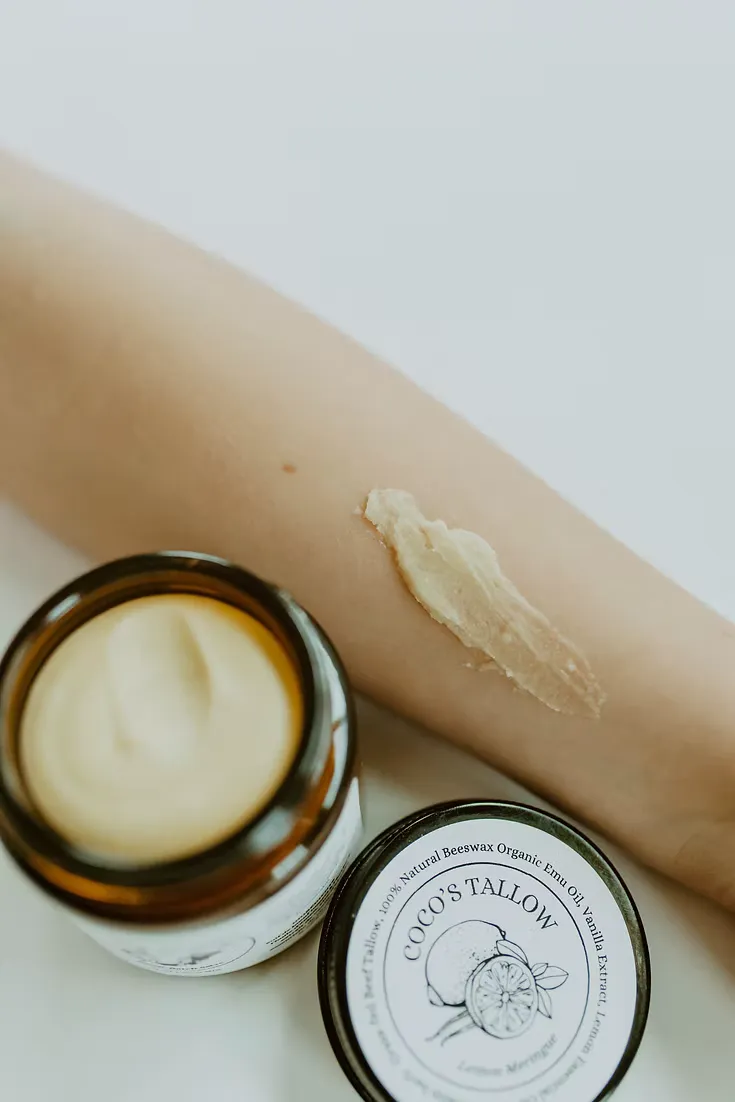
- Ingredient list per product, in plain English: tallow, unrefined coconut oil, coffee, bentonite clay, lye, chocolate extract, sarsaparilla root, marshmallow root.
- Grass-fed beef tallow base.
- Canadian-handcrafted.
Curaloe (Canada)
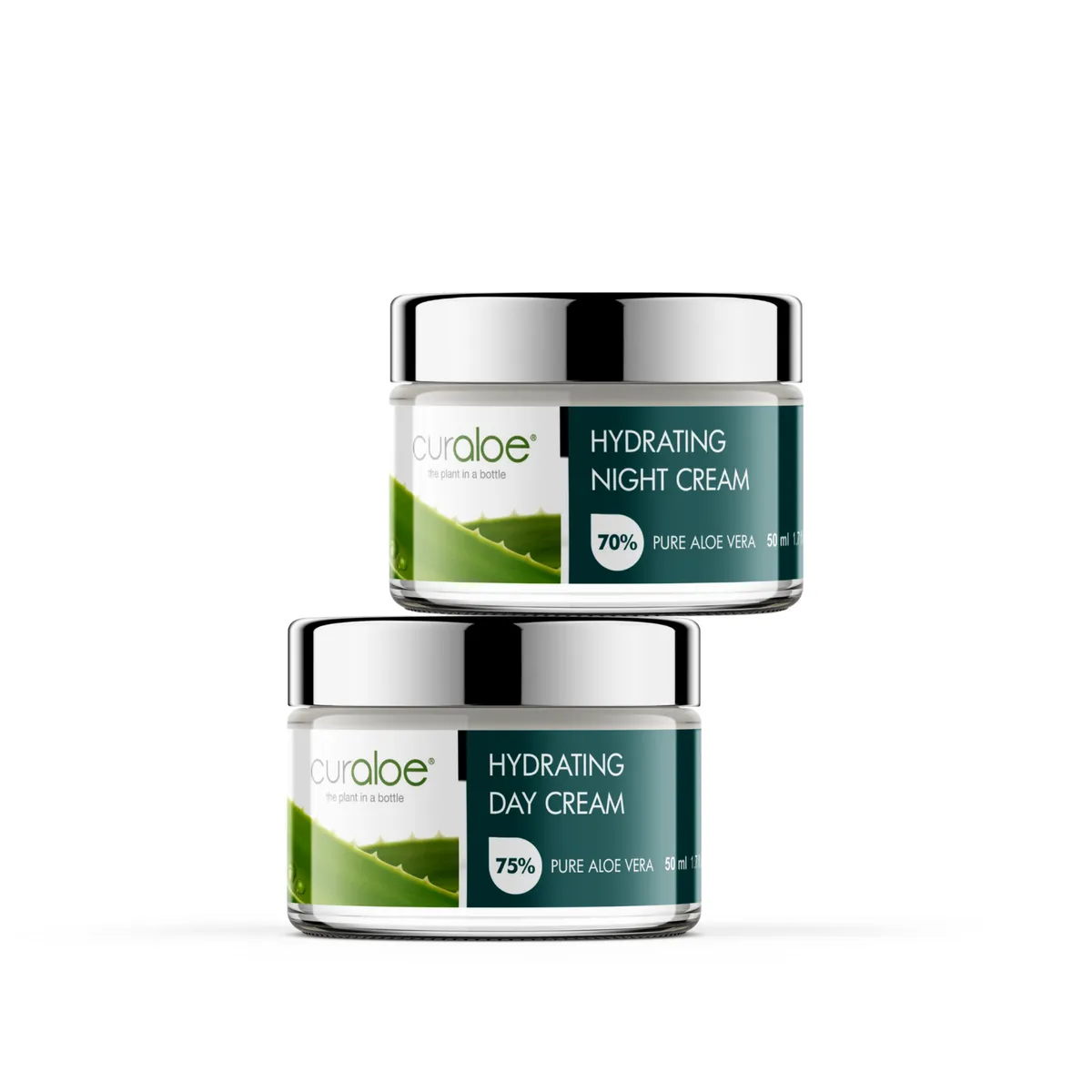
- Locally-grown aloe-farm operation.
- Body and skin creams, face wash, shampoo.
- Published farming and packaging-sustainability commitments.
Salaaz hasn't independently audited either operation; the published ingredient stacks and farming claims are the source.
What follows
The structural answer to the cosmetic-regulation gap is legislative — the EU regime is the better-regulated environment, and US/Canadian reform would close the disparity. In the meantime, the consumer answer is ingredient-list literacy: short lists, named ingredients, and skepticism toward unregulated descriptor adjectives.
For adjacent reading, see our piece on five skincare ingredient classes worth a closer look, our look at the L'Oréal corporate record specifically, and our piece on synthetic fragrance chemistry.