
The label is a marketing surface before it's a documentation one. The actual information sits in the ingredient list, the certification badge, and the country-of-origin line — all of which carry less type weight than the descriptive adjectives on the front of pack. Three illustrative cases of the gap between front-of-pack and operational reality.
Three cases
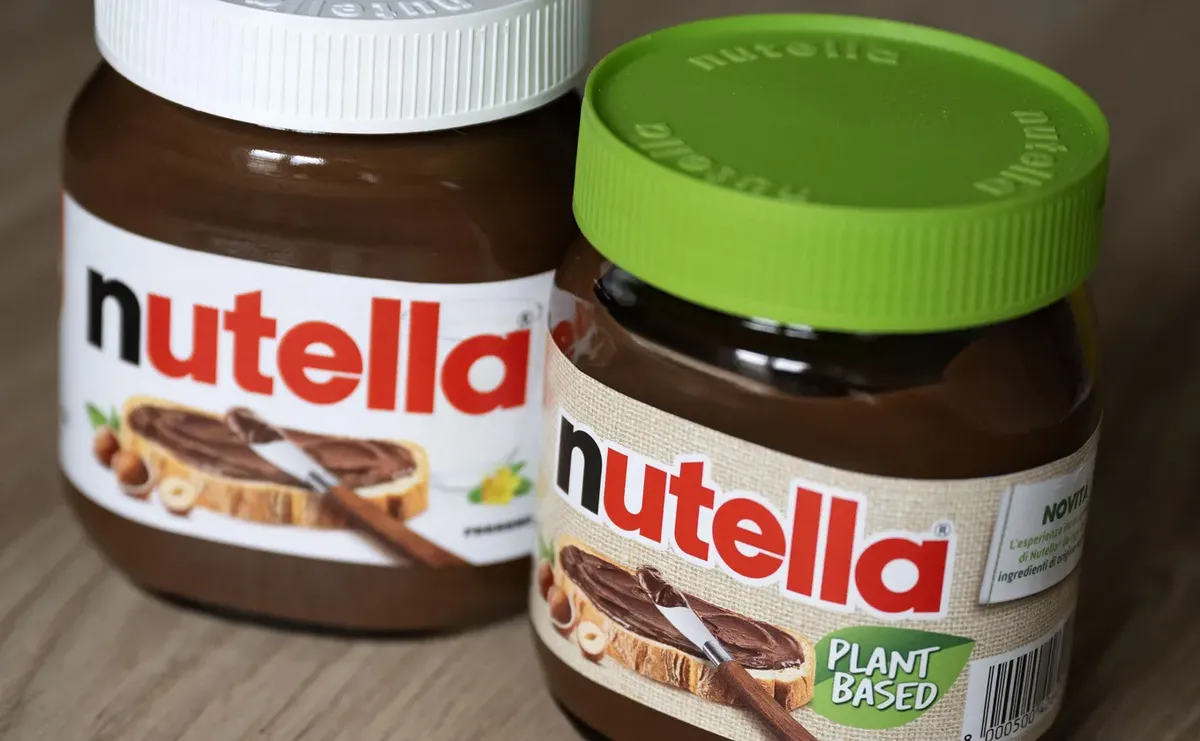
Nutella as breakfast food. Ferrero positioned Nutella into the breakfast occasion through the fruit-and-milk visual cues on packaging and advertising. Two tablespoons of Nutella contain approximately 21 grams of sugar — comparable to a soda serving. The product's calorie-from-sugar ratio is breakfast-dessert.
Coca-Cola's "Coke Life." A "healthier alternative" formulation using part-cane sugar and part-stevia, released into a market environment where Coca-Cola was simultaneously lobbying against sugar excise taxes and nutrition disclosure. The artificial-sweetener substitution carries its own open research questions on microbiome and metabolic effects.
Nike's "sustainable" line. Nike was sued in 2023 over "sustainable" marketing on a line that contained occasional recycled-polyester content against a broader manufacturing operation with documented working-conditions investigations in Cambodia and Pakistan.
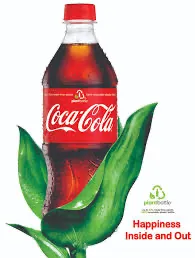
Nestlé Pure Life. A bottled-water brand marketed as 100% natural and eco-friendly while the parent company has documented patterns of water extraction in drought-stressed and Indigenous-reserve communities, with Coca-Cola separately marketing a "PlantBottle" that contained only 30% plant-based plastic content as a comparable case.
What "organic" actually means
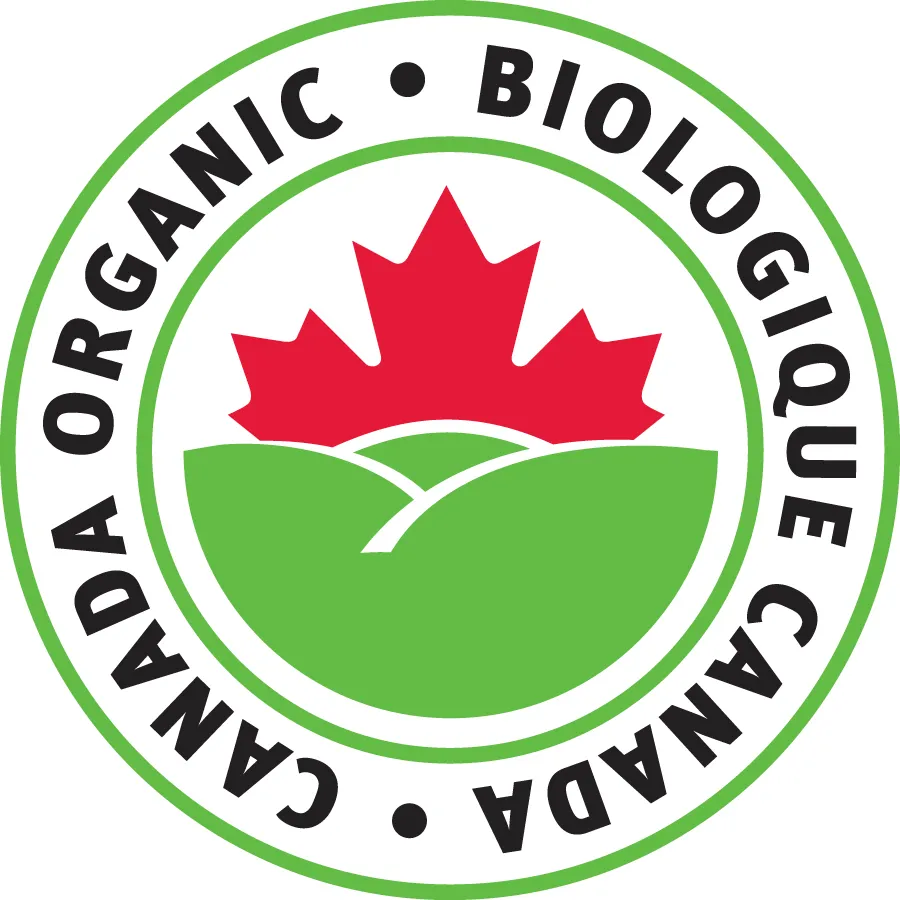
The CFIA's organic certification criteria (and the USDA equivalent) cover specific operational rules:
- No GMOs. Genetic modification is excluded from certified-organic production. The health-evidence base on GMO foods is generally null — major reviews find no consistent safety differential against conventional equivalents — but the exclusion is a structural certification rule.
- Reduced synthetic pesticide and fertiliser usage. Organic production substitutes biological pest control and organic-input nutrient management for synthetic chemistries. This is where the documented health-and-environmental differential actually lives.
- Minimal processing. No artificial colours, preservatives, or flavourings; standard preservation techniques only.
- Animal welfare baseline. Pasture access for grazing animals; no growth hormones; antibiotics restricted to medical necessity.
Where to spend the organic premium
The pesticide-residue differential isn't uniform across produce categories. Items with thick skins or low pesticide-absorption profiles ("Clean Fifteen" in the standard public-health framing):
- Pineapple, avocado, onion, sweet corn, kiwi, mango, papaya, cabbage, asparagus, watermelon, cantaloupe.
Items with high pesticide-residue absorption where the organic premium delivers measurable difference ("Dirty Dozen"):
- Strawberries, spinach and other leafy greens, kale, apples, grapes, cherries, peaches, pears, tomatoes, bell peppers, celery, blueberries.
What follows
The defence against greenwashing is unromantic but reliable: read the ingredient list before the front-of-pack marketing; treat third-party-audited certifications as real signals and self-issued eco-claims as marketing; and spend the organic premium where the pesticide-absorption differential is documented.
For adjacent reading, see our broader piece on corporate greenwashing penalties, our look at label engineering and modifier adjectives, and our piece on sustainable farming and pesticide-reduction practice.