
The framing of "sustainable farming" tends to land on the environmental side of the ledger. It belongs on the human-health side too. Two specific pipelines tie industrial farming directly to documented public-health outcomes.
The CAFO → antibiotic-resistance pipeline
Concentrated Animal Feeding Operations (CAFOs) produce over 70% of meat consumed in North America. The operating model is high-density confinement: hogs in gestation crates without room to turn, cattle in dirt feedlots, broiler chickens in stacked cages. A 2022 Animals review documented the systemic stress and immunocompromise that follow from these confinement densities.
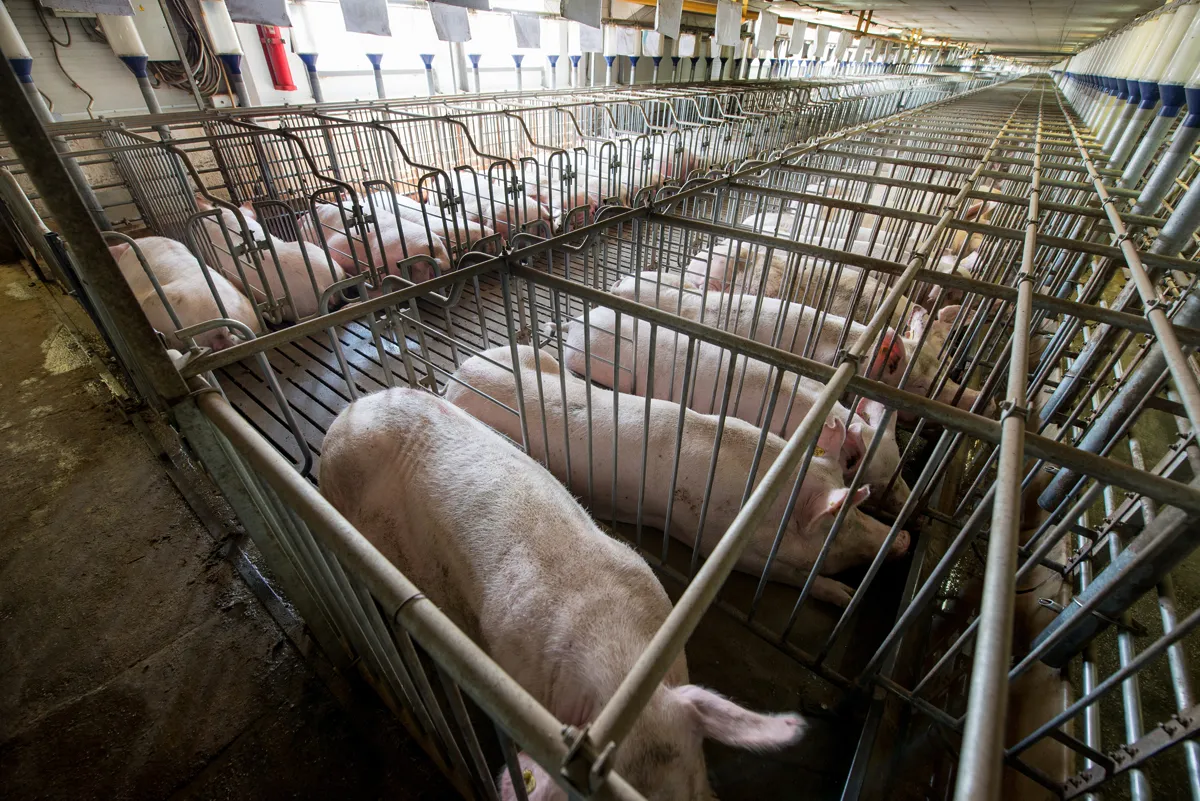
The operational response across the industry: routine prophylactic antibiotic dosing — animals receive antibiotics not to treat infection but to prevent the inevitable bacterial outbreaks of the confinement model. The downstream effect is antibiotic resistance in the bacterial population, with documented spillover into human medicine. A 2003 Environmental Health Perspectives paper established the spillover mechanism into community-acquired infections; a 2023 Foods paper documented multidrug-resistant Salmonella in retail raw chicken and turkey roughly doubling — from ~20% to over 45% — across a nine-year window.
An alternative meat operator
Blossom Pure (Milton and Etobicoke, Ontario)
- Zabiha hand-slaughtered halal meat.
- 100% grass-fed beef on the beef line.
- Pasture-raised chicken on the poultry line.
- Wild-caught fish.
- Online ordering with free delivery above minimum-purchase threshold.
Salaaz hasn't independently audited the supplier chain; the company's published certifications and sourcing claims are the source.
The pesticide → pollinator collapse pipeline
The second public-health pipeline runs through pesticide intensity in industrial crop agriculture. The documented figures:
- A 2024 Toxicology review estimates approximately 150,000 deaths globally per year from pesticide poisoning — predominantly occupational exposure in low-regulation production regions.
- A 2017 Environmental Pollution review documented pesticide-exposure correlations with multiple cancer classes, Parkinson's, Alzheimer's, ALS, and elevated birth-defect rates.
- A 2025 University of Ottawa entomology synthesis documented pesticide-driven population decline affecting over 70% of wild bee species — the pollinator class that one-third of global food production depends on.
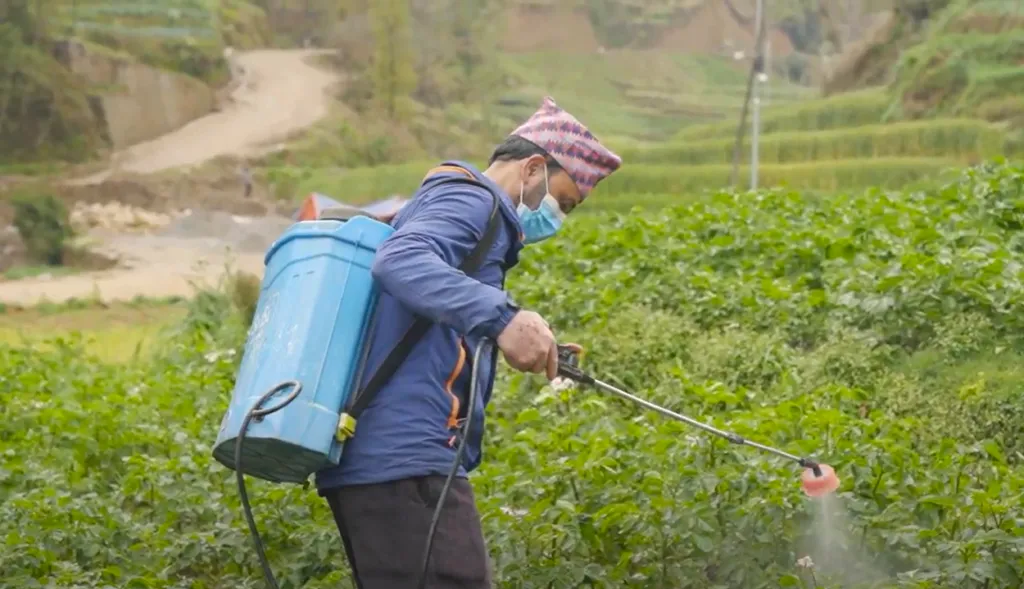
The structural shift: Integrated Pest Management (IPM), the discipline of combining biological control, crop rotation, and targeted intervention rather than blanket prophylactic spraying. A Santa Clara County sustainability framework summary documents IPM's documented long-term cost and yield benefits at small and large scale once the operational learning curve is past.
What follows
The pipelines from industrial farming to human health aren't speculative. The substitutions exist at consumer scale (grass-fed beef, pasture poultry) and at policy scale (IPM adoption, prophylactic antibiotic restriction, neonicotinoid bans). Neither is sufficient on its own.
For adjacent reading, see our piece on Canada's SAWP migrant-labour problem, our look at the rice supply chain's water and labour profile, and our piece on the global fisheries crisis.