
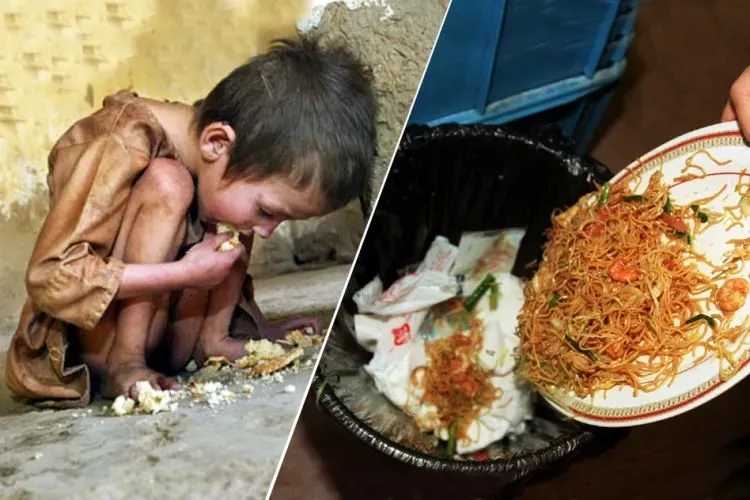
Plastic gets the consumer-conscience attention. Food waste does not. The relative climate footprint runs in the opposite direction: per the UN Climate Change secretariat, global food loss and waste account for 8–10% of annual greenhouse gas emissions — roughly three times the global emissions footprint of plastic. If food waste were a country, it would rank as the third-largest emitter behind China and the United States.
The economic figure attached to those emissions is approximately $1 trillion USD annually. UNEP's 2024 Food Waste Index puts the per-day human cost at one billion meals wasted globally each day.
The waste isn't evenly distributed across the supply chain. The USDA estimates 30–40% of the US food supply is wasted each year; European fisheries discard 40–60% of catch on appearance and grading standards alone, even at supply-constrained price points. The pattern repeats: appearance defaults, grading thresholds, retail expiration buffers — each one designed for abundance optics, each one producing waste at scale.
What the household lever can actually do
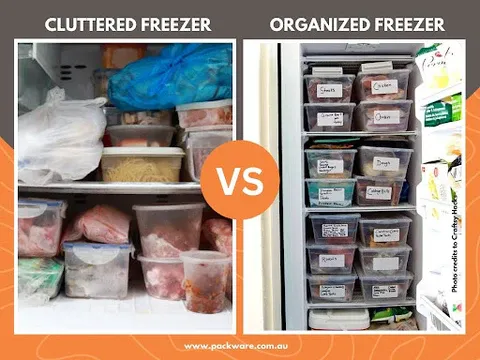
Roughly half of food waste happens in homes. Three habits move the number more than the others:
- A "needs to be eaten" zone in the fridge. Re-organising by expiry rather than category puts the urgent items in the line of sight at the moment a meal decision is made.
- Cook-and-freeze rather than cook-and-store. Pre-portioned protein and produce in the freezer extends the usable window from days to months. Parchment-separated portions of meat thaw individually.
- Use leftovers before starting a new meal. Leftovers degrade fast; new meals don't. The default ordering should be reversed.
Two services moving food off the discard pile
Flash Food
A Canadian app brokering near-expiry groceries from major chains (No Frills, Loblaws, Kroger, Tops). Discounts in the 30–50% range on items that would otherwise be discarded. The company reports $58 million in 2025 Canadian customer savings.
Too Good to Go

A European-originated app extending the same model to restaurants and quick-service chains — including Tim Hortons in Canada — where mystery "surprise bags" route end-of-service food to a paying customer rather than the bin.
Salaaz hasn't audited either company's full operating books; the published savings and partner lists are the source.
What follows
Food waste is solvable inside the household and tractable at the retail layer. The agricultural and grading layers are policy questions — and they're where the largest absolute reductions live. For adjacent reading, see our pieces on the grocery-store ultra-processed economy, the coffee supply chain's soil-degradation problem, and why farming standards matter at the producer level.