
The fast-food food environment is engineered. The healthier choice within a 5-mile retail radius is consistently more expensive, more time-intensive to prepare, and shorter-shelf-life than the deep-fried alternative. This isn't accidental — the cost structure of a quick-service chain depends on inputs that the body processes poorly.
What the chemistry does
- Sodium load. A 2024 Journal of the American College of Cardiology review documented high-sodium dietary patterns elevating blood pressure with cumulative cardiovascular, renal, and stroke-risk impacts at standard fast-food serving sizes.
- Fibre deficit and caloric density. A 2018 Nutrients paper documented fast-food meals delivering high caloric density with substantially reduced fibre, plant phytonutrient, and micronutrient content compared to home-prepared equivalents at similar caloric load.
- Inflammation and cognition. A 2020 Nutrients paper linked sustained fast-food consumption to measurable memory and executive-function effects in middle-aged cohorts; a 2019 Immunity paper documented acute systemic inflammation response to high-fat fast-food intake.
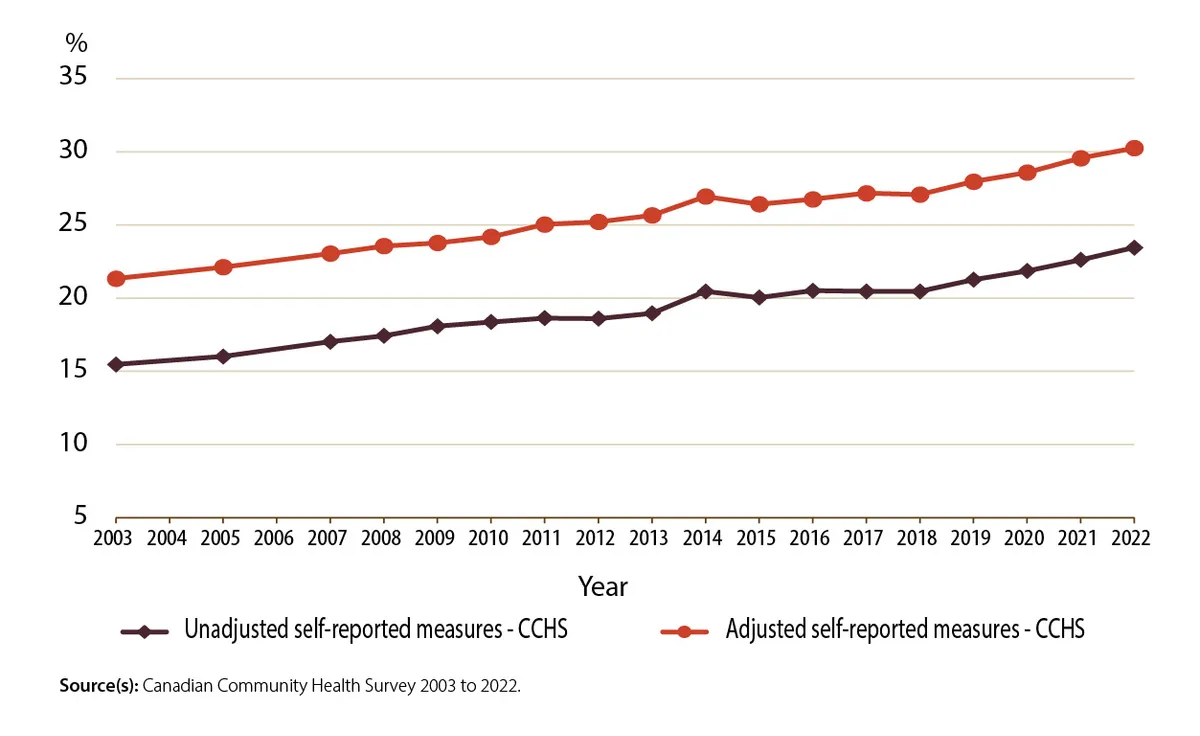
The aggregate impact is measurable at the population level. The WHO attributes 2.8–4 million annual deaths globally to obesity-related causes, with the fast-food food environment as one of the leading upstream drivers.
The food-environment lever
The structural fix is policy: zoning rules that limit quick-service density in food-desert neighbourhoods, sodium-reduction standards, child-marketing limits, school lunch program funding. These move the variable upstream of the consumer choice — which is where it lives.
In the meantime, consumer-facing alternatives are unevenly distributed. One quick-service chain operating on a different cost structure:
Healthy Planet Kitchen (GTA, Canada)

- Soups, salads, sandwiches, smoothies, baked goods — broader category range than the conventional fast-food menu.
- Non-GMO, halal high-welfare, grass-fed, organic ingredient sourcing per company disclosure.
- Multiple GTA locations.
- Price band comparable to mid-market quick-service chains.
Salaaz hasn't independently audited the supplier chain; the company's published disclosures are the source.
What follows
Closing the McDonald's nearest you isn't realistic and isn't the structural answer. Building the alternative ecosystem — at policy, at zoning, at single-operator scale — is. The consumer lever is partial. It's still the lever that's reachable.
For adjacent reading, see our piece on the broader grocery-store ultra-processed economy, our look at the snack market for children, and our piece on soda chemistry and the corporate market structure.