
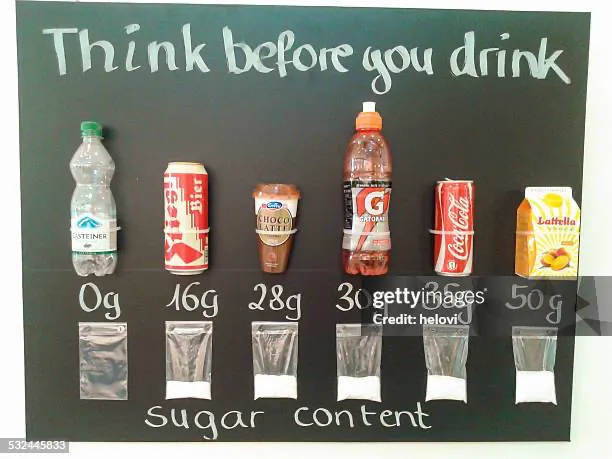
The sugar content of a soda is the part of the chemistry the marketing concedes. The rest of the chemistry — and the market concentration behind it — is the part that doesn't usually make it to the front of pack.
What's in the can
- Carcinogen-class colourant. A 2012 CSPI petition surfaced 4-methylimidazole, the brown-colour byproduct of caramel manufacturing used in many cola formulations, as a probable human carcinogen per IARC classification. Reformulation has been partial.
- Phosphoric acid. A 2014 Journal of Renal Nutrition review documented sustained high-volume phosphoric-acid intake from cola correlating with reduced kidney function, most strongly in cohorts with pre-existing renal compromise.
- Artificial sweeteners. "Diet" formulations substitute aspartame, sucralose, or acesulfame potassium for sugar. The long-term metabolic and microbiome effects of the substitution are still under active research; 2024 evidence on cardiovascular and metabolic correlations is emerging.
The market concentration
Three companies hold 92.9% of US soft-drink market share and over 80% of the Canadian market: Coca-Cola, PepsiCo, and Keurig Dr Pepper. Their brand portfolios cover essentially every visible product category at the grocer:
| Coca-Cola | PepsiCo | Keurig Dr Pepper |
|---|---|---|
| Coca-Cola | Pepsi | Dr Pepper |
| Sprite | Mountain Dew | Canada Dry |
| Fanta | 7UP (US) | A&W |
| Dasani (water) | Aquafina (water) | Crush |
The water brands matter: even when buyers shift away from soda, the same parent companies capture the substitute purchase. Reading the parent-company line on the label is the lever.
Coca-Cola's documented record includes groundwater extraction in Indian production regions at scale during drought conditions, sustained lobbying against sugar excise taxes and nutrition labelling rules (covered in our earlier piece on label engineering), and reporting on operations in occupied territories that has driven sustained consumer boycott activity. PepsiCo and Keurig Dr Pepper carry overlapping concerns at varying degrees.
Alternatives at the same shelf
Sparkling water — the closest substitute on flavour and fizz with none of the chemistry:
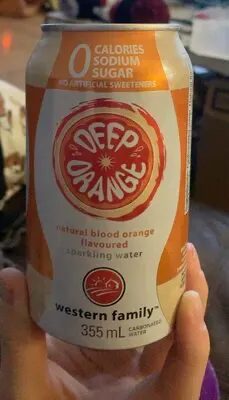
- Western Family (Canadian-owned, multiple flavour SKUs in major grocery chains).
- La Croix, Bubly, Spindrift in the international ranges.
- No sugar, no sodium, no sweetener, no calories — the carbonation does the work.
Hydration mix for electrolyte requirements:
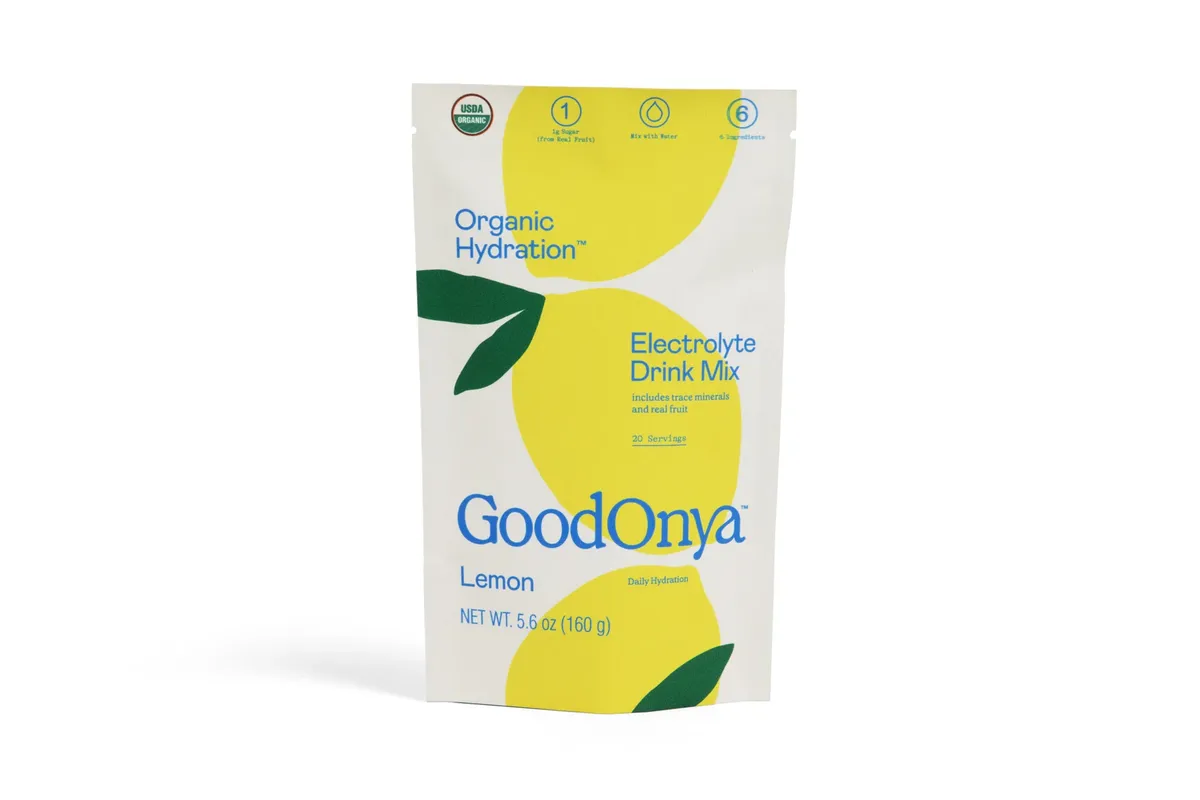
- GoodOnya: five disclosed ingredients (organic lemon juice powder, magnesium, organic coconut water powder, organic stevia, Himalayan salt), plus vitamin C.
- Sub-$2 per serving at retail.
Salaam Cola — for the cola format with different ownership and a published philanthropic commitment to Palestinian relief.
Salaaz hasn't independently audited any of these manufacturers' full books; the published disclosures and certifications are the source.
What follows
The cola category isn't categorically problematic — the chemistry of a once-a-week drink is well within normal dietary tolerance. The structural problem is the daily-consumption pattern at scale, against a market structure where three companies capture both the original product and its substitute.
For adjacent reading, see our piece on ultra-processed children's foods and the bliss-point engineering, our look at corporate lobbying against nutrition disclosure, and our broader piece on the grocery-store ultra-processed economy.