

A single word — "fragrance" or "parfum" — on a cosmetic ingredient list legally covers any number of undisclosed compounds beneath it. The labelling convention exists because of trade-secret protection for fragrance houses (Givaudan, Firmenich, IFF, Symrise dominate the industry). The downstream effect on consumer disclosure is the same one in every direction: you don't know what's there.
The category, by the numbers
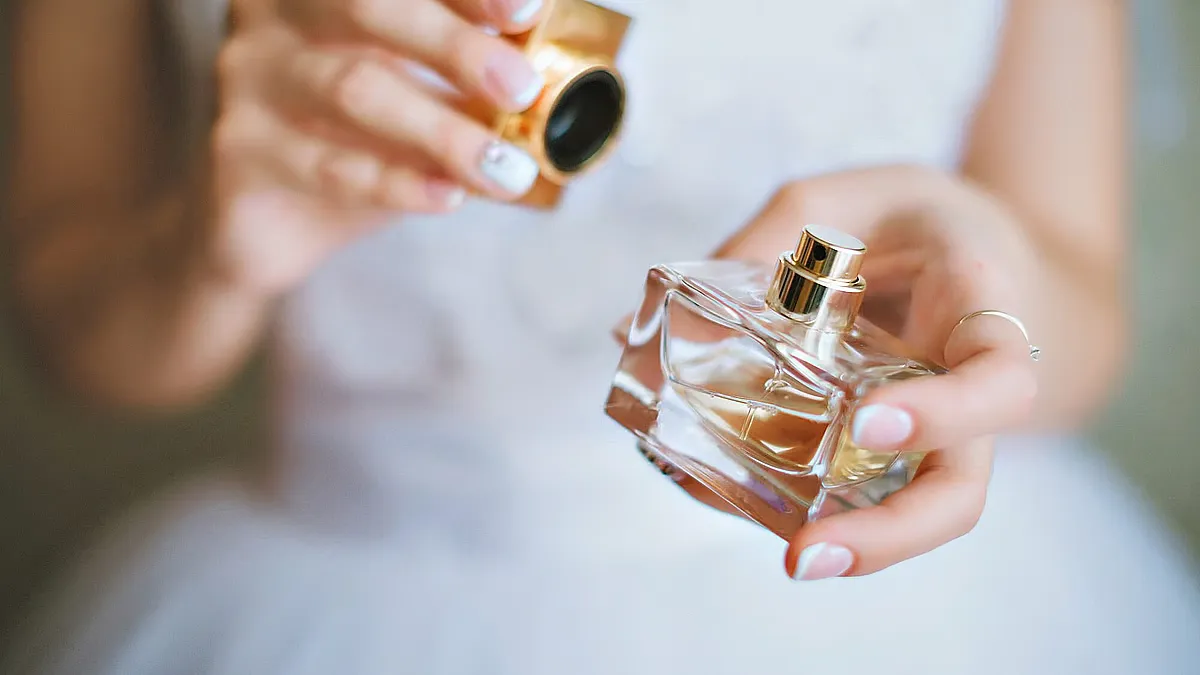
- Global market value. Grand View Research's 2023 figure puts the global fragrance market at approximately $54.52 billion, with a projected 4.7% CAGR through 2030.
- Regional concentration. North America held 35.47% of global perfume market share in 2024, with the US specifically reaching ~$23.23 billion by 2032 per Fortune Business Insights projections.
- Consumption pattern. Grand View Research's category survey found approximately 41% of US-female consumers use perfume daily versus a male average of 1–2 fragrance purchases per year.
What's actually under the word
The trade-secret labelling exception means hundreds of compounds across the industry remain undisclosed on individual product labels. The classes documented at scale across testing programmes:
- Phthalate plasticisers — used as fragrance carriers and fixatives. Health.com's 2024 review summarises the documented endocrine and reproductive-health concerns. A 2021 Healthcare review aggregating the human and animal-model evidence documented neurological, developmental, and reproductive effects at sustained-exposure levels consistent with daily fragrance use.
- Synthetic musk compounds — bioaccumulative in adipose tissue; environmental persistence documented in waterway-sample monitoring programmes.
- Sensitisers and allergens — the EU SCCS list of 26 known fragrance allergens requires disclosure on EU labels; the equivalent disclosure rule doesn't apply in the US.

The environmental tail isn't only about wastewater dispersion. Natural-source fragrance ingredients carry their own sustainability profiles — Australian Geographic documented sandalwood-tree population decline from over-harvesting, which has shifted much of the industry to synthetic sandalwood substitutes (the synthetics carry their own chemistry questions).
Alternatives that actually disclose
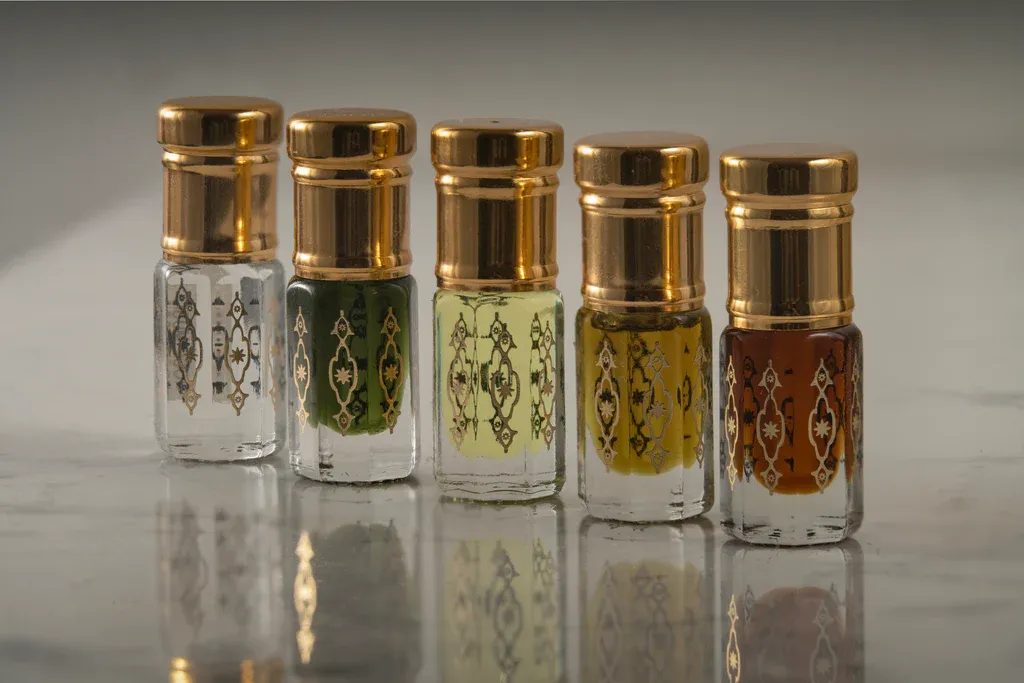
- Essential oils. Single-source plant extracts; the ingredient list ends with the plant name (lavender, bergamot, neroli).
- Attars and oud. Traditional Middle Eastern and South Asian fragrance formats with single-source botanical extractions.
- Fragrance-free SKUs. Most major personal-care manufacturers maintain unscented lines; for skin-sensitive or pregnancy contexts these avoid the disclosure question entirely.
- DIY substitution. Coconut-oil-based or alcohol-based botanical extracts produce a workable home fragrance at substantially lower cost and full ingredient transparency.
What follows
The structural answer to fragrance opacity is regulatory — requiring per-ingredient disclosure within the "fragrance" label, as the EU partially does. In the meantime, the consumer-side test is to default to essential-oil or unscented options where the SKU is available, and to read the ingredient panel for explicit phthalate identifiers (DEP, DBP, DEHP).
For adjacent reading, see our piece on five skincare ingredient classes worth a closer look, our look at North American cosmetic-regulation gaps, and our piece on deodorant chemistry and phthalate carriers.