

The two product categories share an aisle and a vocabulary, but they do different things. A deodorant controls odour while allowing the body's sweat-based thermoregulation to function. An antiperspirant uses aluminum-compound chemistry to physically block sweat-gland output. The product packaging often blurs the distinction — many products marketed as "deodorant" are actually antiperspirants.
Which products are actually antiperspirants
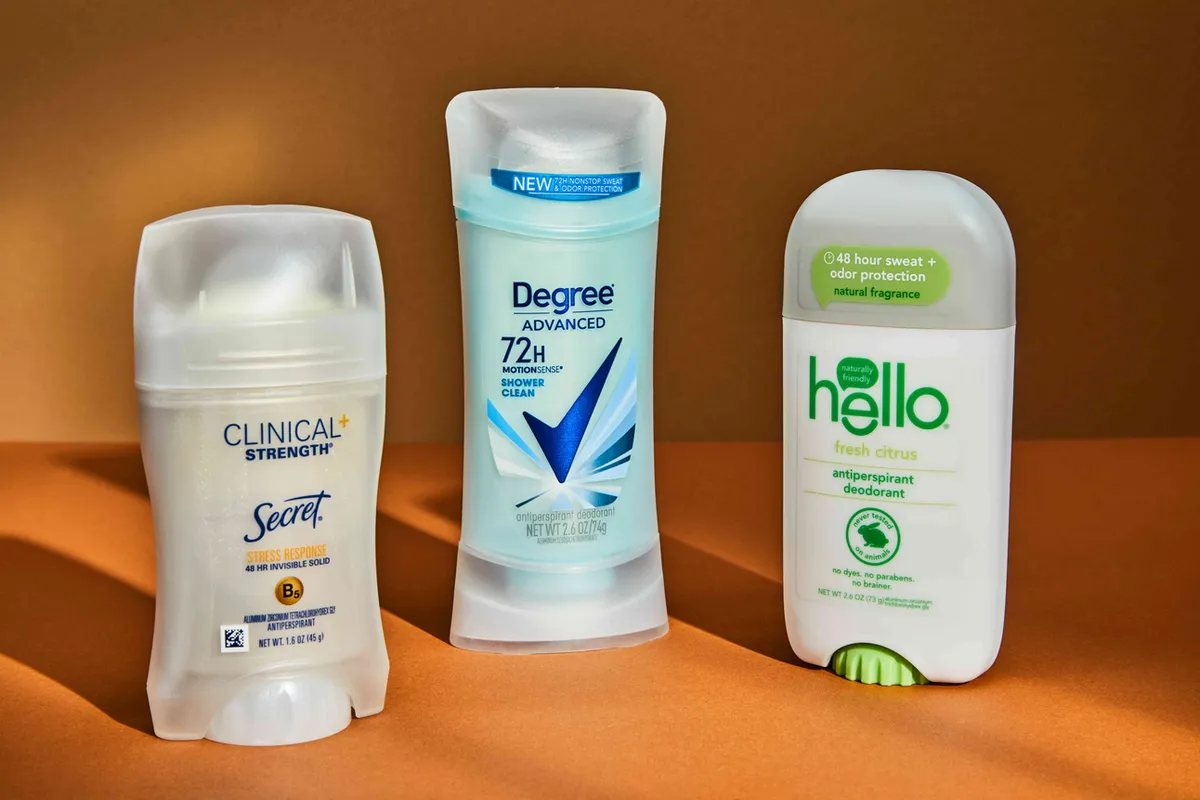
Among widely-sold US/Canadian brands, the following SKUs are antiperspirants despite branding emphasis:
- Dove Men+Care / Dove Advanced Care
- Secret Clinical Strength
- Degree
- Old Spice Clinical
- Gillette Clinical Strength
If the ingredient panel lists aluminum chlorohydrate, aluminum zirconium, or aluminum chloride, the product is an antiperspirant. Pure deodorants don't carry aluminum chemistry.
The ingredient profile worth knowing
Three ingredient classes appear across the antiperspirant and scented-deodorant categories with documented profiles:
Parabens (methyl-, propyl-, butylparaben)
- Endocrine-disruption associations per the 2018 Reproductive Toxicology review covered in our piece on skincare ingredients.
- "Paraben-free" labelling is now common; check the ingredient list to verify.
Aluminum compounds
- The mechanism for sweat-blocking — aluminum ions plug eccrine sweat duct openings.
- Sustained exposure produces measurable aluminum accumulation in breast tissue per documented breast-tissue biopsy studies; the causal link to breast cancer is open in the research literature, not established.
Phthalates
- Common in scented formulations as fragrance carriers (per the broader synthetic-fragrance pattern).
- Documented kidney, hepatic, pulmonary, and reproductive concerns at sustained occupational-level exposure.
Three deodorant alternatives
Misky Shaba — mineral-powder deodorant.
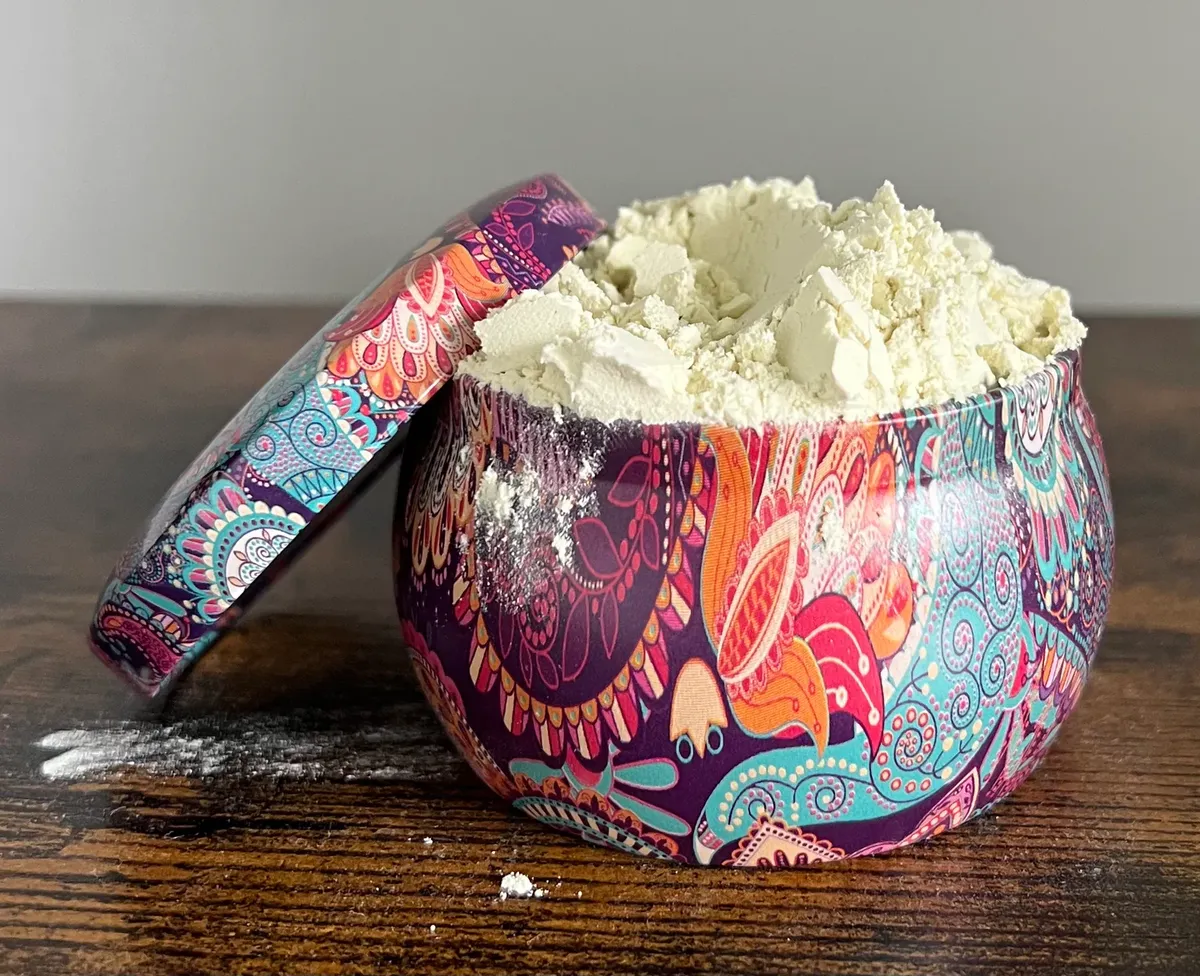
- Natural-mineral base with organic-oil scenting.
- Odour control without sweat-gland blocking.
- Long-lasting per stated formulation.
Green Beaver (Canadian retail)
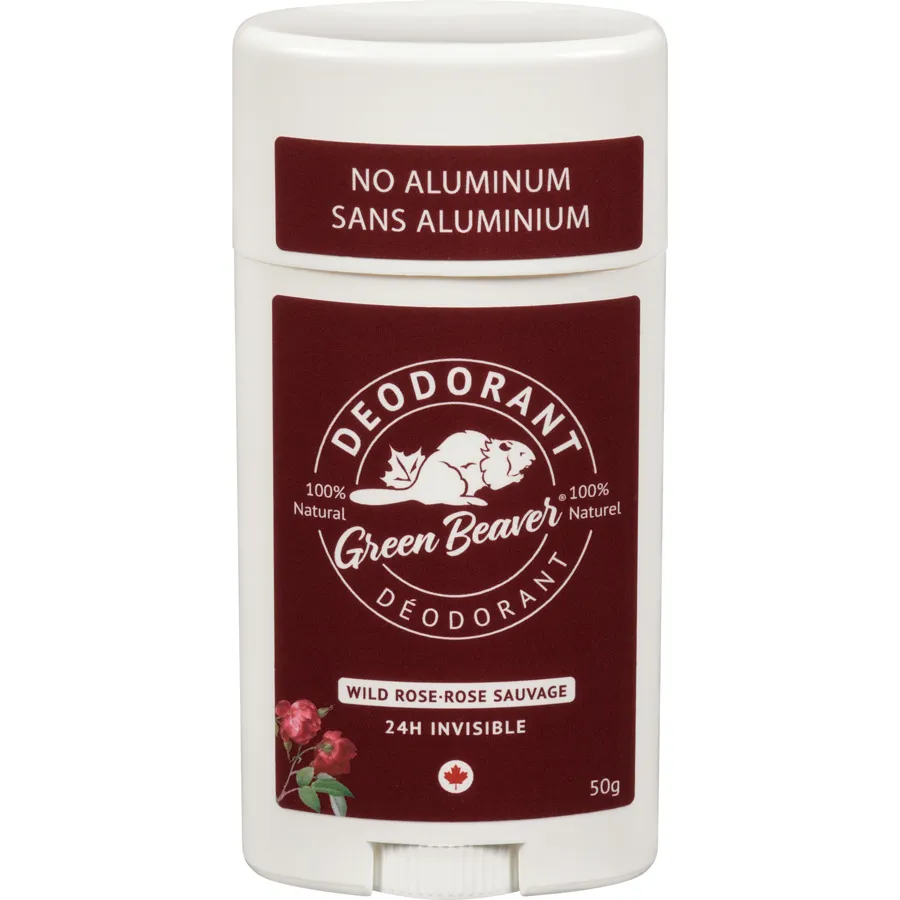
- Aluminum-free, paraben-free.
- Canadian-manufactured.
- Available through Shoppers Drug Mart and similar chains.
ATTITUDE — broader clean-personal-care range.
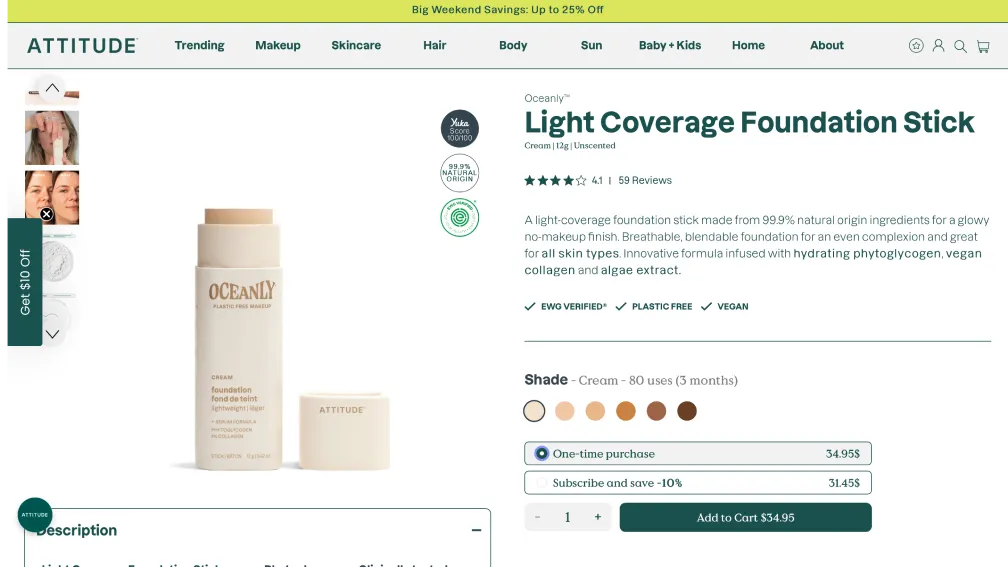
- Canadian-manufactured.
- Range covers skincare, haircare, body care, and basic cosmetics (including the ~$35 foundation stick pictured).
- Drug-store price points across most SKUs.
Salaaz hasn't independently audited any of these manufacturers; published ingredient lists and certifications are the source.
What follows
Sweating is the body's primary thermoregulation mechanism — pharmacologically blocking it is a different intervention than deodorising. Whether the aluminum-accumulation hypothesis on breast cancer holds at population level is open in the research; the safer position absent that resolution is to use a deodorant rather than an antiperspirant unless there's a specific clinical reason (e.g., hyperhidrosis treatment).
For adjacent reading, see our piece on skincare ingredient classes worth a closer look, our look at synthetic fragrance chemistry, and our piece on the broader cosmetic-regulation gap.