
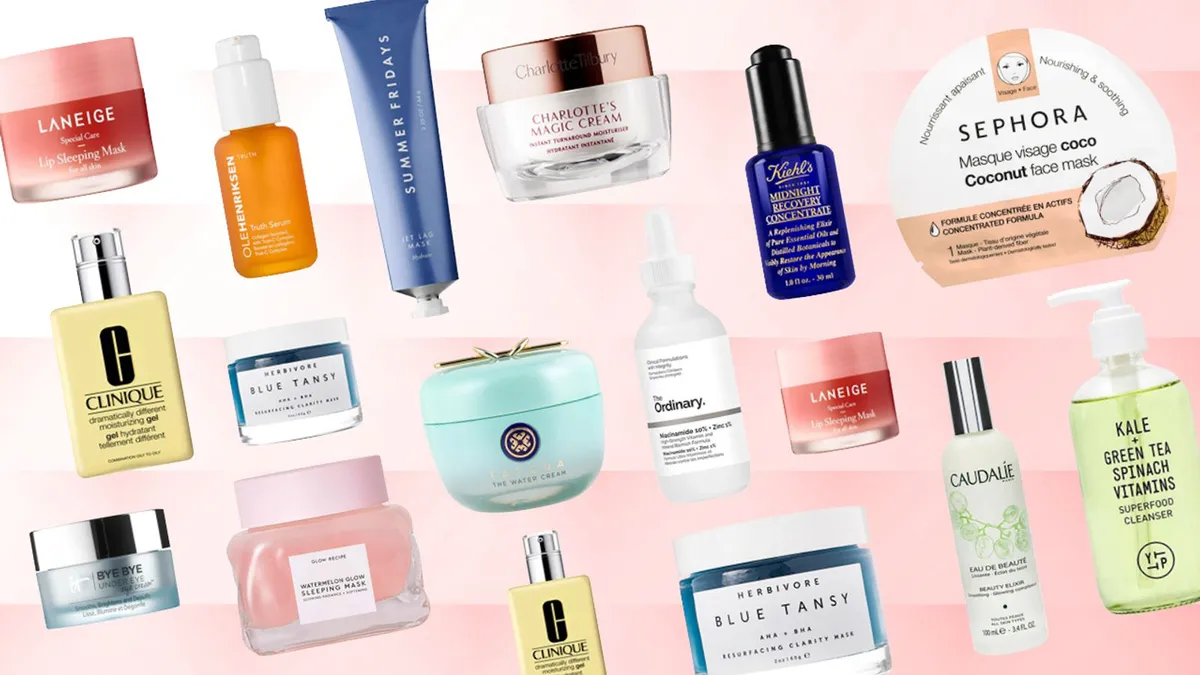
Most cosmetic ingredients are classified as safe at the concentrations they appear in retail formulations. The qualification matters: at those concentrations, and for the endpoints studied. The long-term exposure profile across a lifetime of daily use is, for several common ingredients, still open. Below are five ingredient classes where the published evidence has accumulated enough that a more cautious reader might want to know.
Five ingredient classes worth a closer look
-
Parabens (methyl-, propyl-, butylparaben). Preservatives common in moisturisers; a 2018 review in Reproductive Toxicology found associations with endocrine disruption at exposures consistent with regular cosmetic use.
-
Synthetic fragrance ("Parfum" on the label). A 2023 review in International Journal of Molecular Sciences documented that the catch-all "fragrance" term legally permits hundreds of undisclosed constituents, including formaldehyde precursors, with documented allergy, hormone-disruption, and asthma associations.
-
Siloxanes / cyclopentasiloxane. Adds silkiness to facial moisturisers; a 2024 study in Environmental Pollution found associations with hormone disruption, fertility effects, and hepatic toxicity in animal models.
-
Polyethylene glycol (PEG) compounds. The David Suzuki Foundation's "Dirty Dozen" reference notes PEGs can carry 1,4-dioxane (a carcinogen) as a manufacturing contaminant and have documented organ-toxicity and immune-system associations.
-
BHT (butylated hydroxytoluene). A synthetic preservative in moisturisers, lip balms, and sunscreens; a 2002 Food and Chemical Toxicology paper documented toxic effects on lung tissue in animal exposure models.
None of these warrants a panic about products already in the bathroom. The aggregate exposure across products and across decades is what the evidence base is starting to fill in.
Whole-ingredient alternatives, and what they do
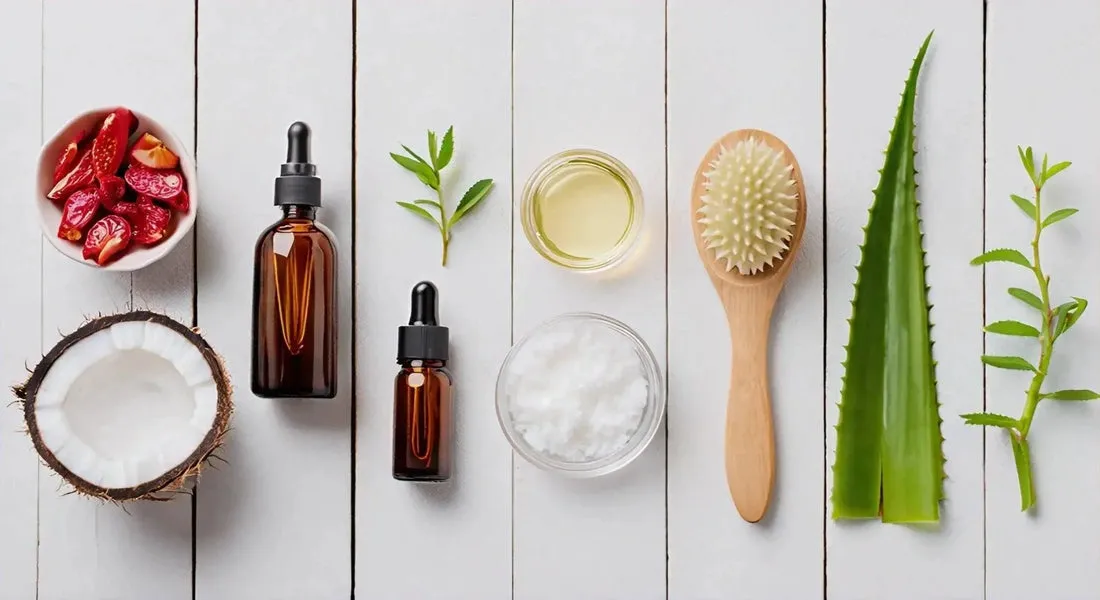
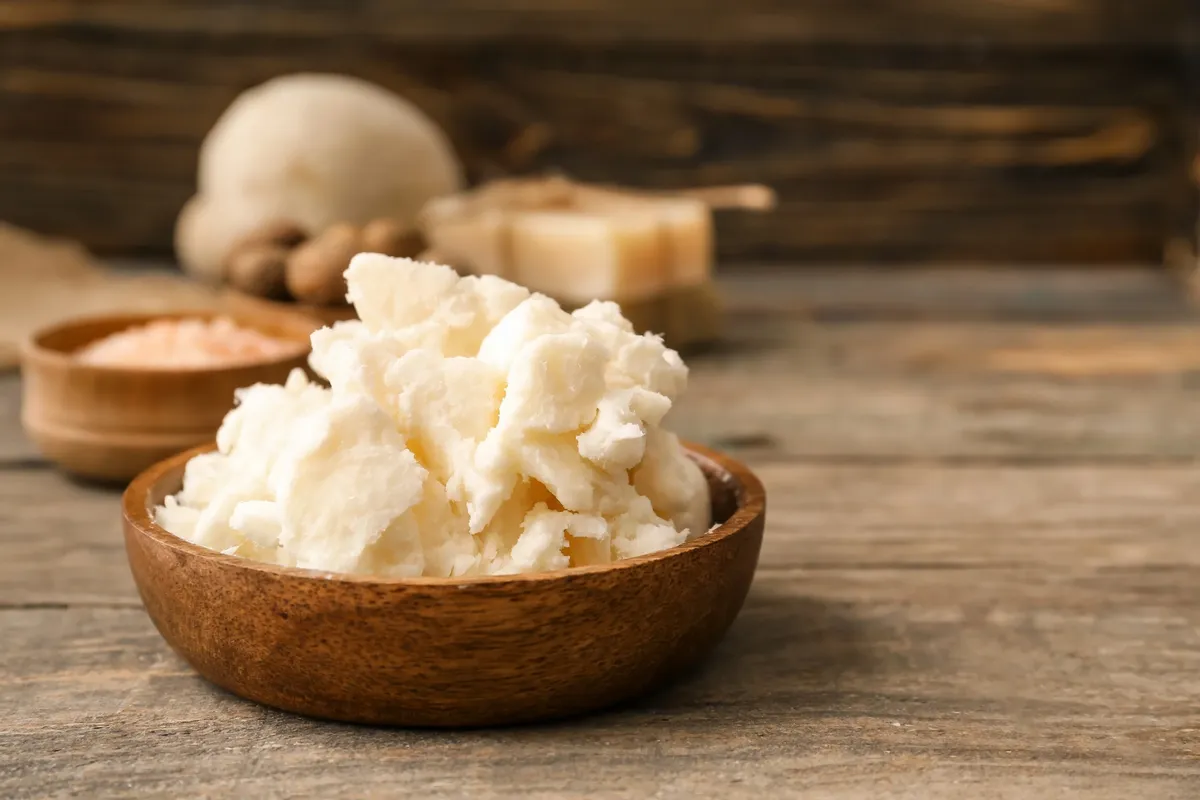
- Unrefined shea butter. Fat extracted from the nut of the African shea tree. Used as a moisturiser; documented use for eczema, scar tissue, and dry-skin conditions. A workable petroleum substitute that doesn't read oily.
- Goat's milk soap. Gentler than standard surfactant soaps; works as a low-acid facial cleanser, particularly for dry skin.
- Organic beeswax. Lip balm and body-butter base; deep hydration with mild antimicrobial properties.
- Jojoba oil. Non-comedogenic; tolerated by most skin types; hydrates skin and hair without occluding.
- Niacinamide (vitamin B3). Well-studied: moisture support, inflammation reduction, redness reduction at concentrations in commercial 5% serums.
- Brown sugar + honey + essential-oil scrubs. A DIY exfoliant with the same mechanical action as commercial scrubs. A standard home recipe for reference.
Reading the label
The shorter the ingredient list, and the more entries you can pronounce without checking a glossary, the closer to the whole-ingredient end of the spectrum. That heuristic isn't perfect — some technical-sounding entries are benign — but it's where the inspection starts.
For more on cosmetic-industry health profile, see our piece on the North American cosmetic supply chain and the fragrance-industry deep-dive. For the broader brand-evaluation framework, see our checklist.