
Two patterns share an axis: incarcerated labour pricing far below any conceivable minimum wage, and ultra-processed food pricing structured to deliver volume to the same demographics. Both are documented. Neither is hidden.
The carceral labour economy
The Guardian's 2022 reporting documented US prisons producing $11 billion annually in goods and services at hourly compensation ranges of 13–52 cents depending on the work category. The US Constitution's 13th Amendment explicitly carves out incarcerated labour from its abolition of involuntary servitude — "except as a punishment for crime" — which is the legal basis for the wage range.
The Canadian equivalent is smaller but similar in structure: Correctional Service Canada pays approximately $6.90 per worker per day on industrial workshops producing furniture, woodwork, and related goods.
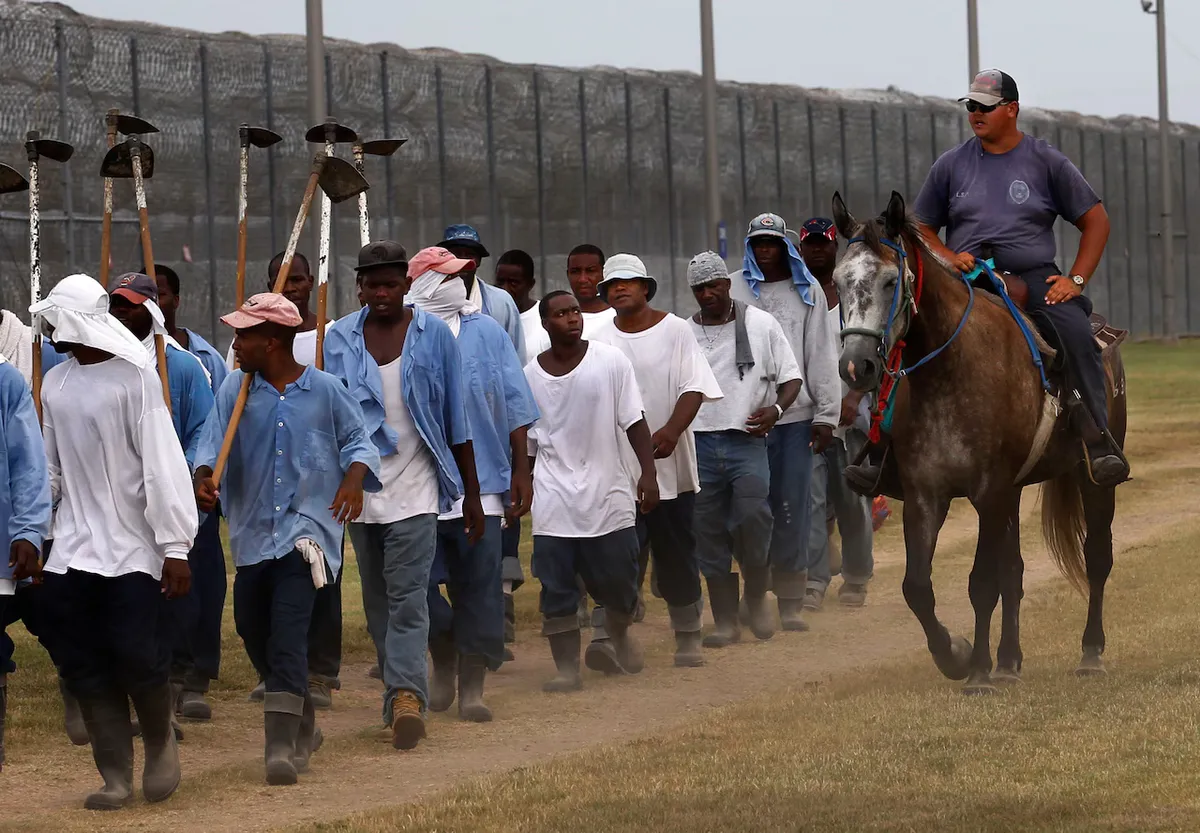
The corporate customers, per Al Jazeera's 2017 reporting on the carceral supply chain: McDonald's, Starbucks, Target, Nordstrom, with US military uniform production (~$100 million in 2013) cited as a recurring federal contract category. None of this is illegal under current US law. It's the documented operating model of the carceral-industrial relationship.
The Xinjiang parallel
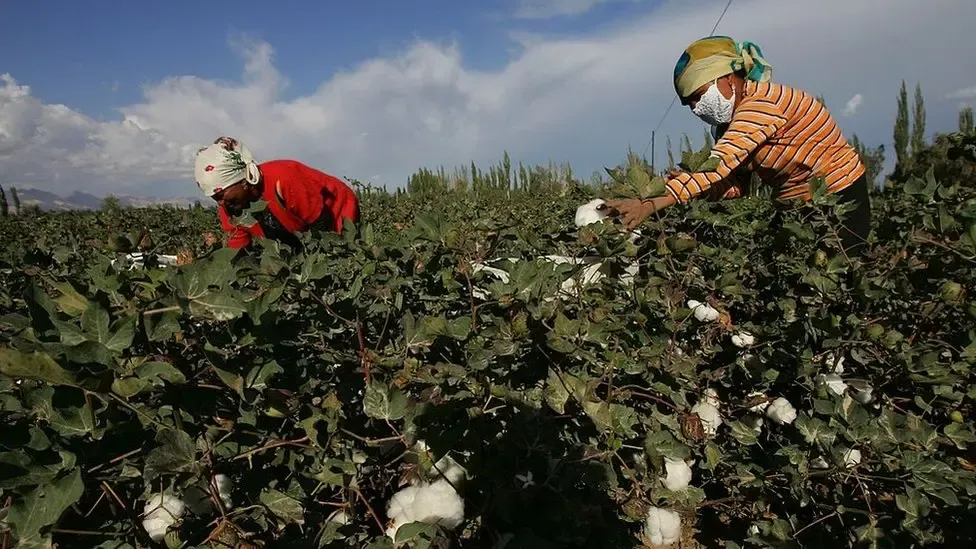
The pattern of state-administered low-cost labour production isn't unique to North America. BBC reporting documented approximately 500,000 ethnic minority workers — primarily Uyghur Muslims — transferred into cotton-picking work in Xinjiang, often via vocational-training programmes that human-rights observers characterise as coercive. The output enters global apparel supply chains through standard cotton-trading routes; brand-level traceability to the Xinjiang origin is generally absent unless the brand specifically excludes it.
Food and the same population
A different axis of the pattern — same logic. A leaked video in 2024 captured the Campbell Soup Company's head executive referring to bioengineered ingredients with explicitly classist language about the intended consumer demographic. The video is on the record because it leaked, not because the language was unusual within the industry.

The structural correlate: ultra-processed food is positioned, priced, and distributed disproportionately into lower-income neighbourhoods (covered separately in our grocery-store ultra-processed piece and the snack-marketing-at-kids piece). Wealth becomes a determinant of nutritional access; nutritional access becomes a determinant of long-term health outcomes.
One reasonably-priced shelf alternative
Healthy Choice (Conagra Brands subsidiary)
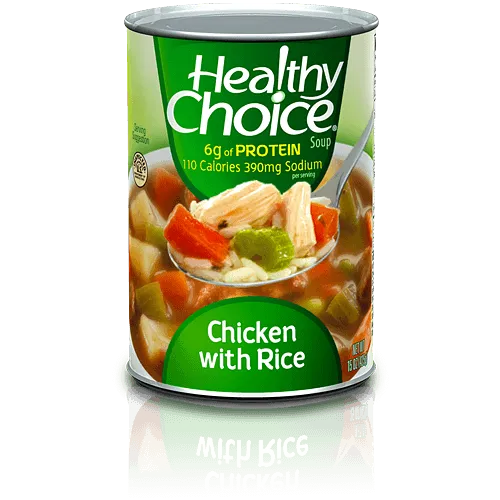
- Available in mainstream grocery and dollar-store retail.
- Sub-$2 retail soup price point.
- Frozen entrée range with documented portion control and nutrient panels.
- Ingredient lists shorter than the closest multinational competitors, though still classified as ultra-processed per the NOVA framework.
Salaaz hasn't audited Conagra's full supply chain; the ingredient panels and certifications are the source. The point isn't that Healthy Choice is unimpeachable; it's that affordable shelf options with shorter ingredient lists exist alongside the leading brands.
What follows
The carceral-labour and food-inequality patterns aren't ethical lapses by individual companies; they're structural features of the regulatory environment around both incarceration and the food supply. The consumer lever is partial. Policy levers — sentencing reform, food-access policy, labour-standards enforcement — move the variable.
For adjacent reading, see our piece on the broader prison-to-supply-chain pipeline through SAWP migrant labour, our look at Xinjiang cotton in the textile supply chain, and our piece on weapons-industry economics and conflict-driven labour.