
Six commonly-circulated nutritional rules, checked against what the controlled clinical research actually supports.
1. "A healthy adult needs eight glasses of water a day." — Myth.
The "eight glasses" figure originates in a 1945 US Food and Nutrition Board recommendation that specifically included water from food sources in the total and was published without the kind of trial evidence that would support the figure as a standalone hydration target. The current evidence base supports drinking-to-thirst as adequate for healthy adults.

2. "Drinking lots of water flushes out toxins." — Myth.
A 2018 JAMA article addressed this directly: excess water intake beyond satiety doesn't enhance kidney function. The kidneys process toxins via filtration mechanisms that don't scale with input volume above the homeostatic baseline. Excess water produces urine, not enhanced detoxification.
3. "Carbohydrates make you fat." — Mostly myth.
A 2017 Gastroenterology paper compared isocaloric high-carb and low-carb diets and found no significant body-composition difference at matched caloric intake. The carbohydrate composition matters separately — refined-sugar carbohydrates and whole-grain carbohydrates behave differently on insulin response and satiety — but carbohydrates per se aren't the variable. Caloric balance and food quality are.
4. "All calories are equal." — Myth.
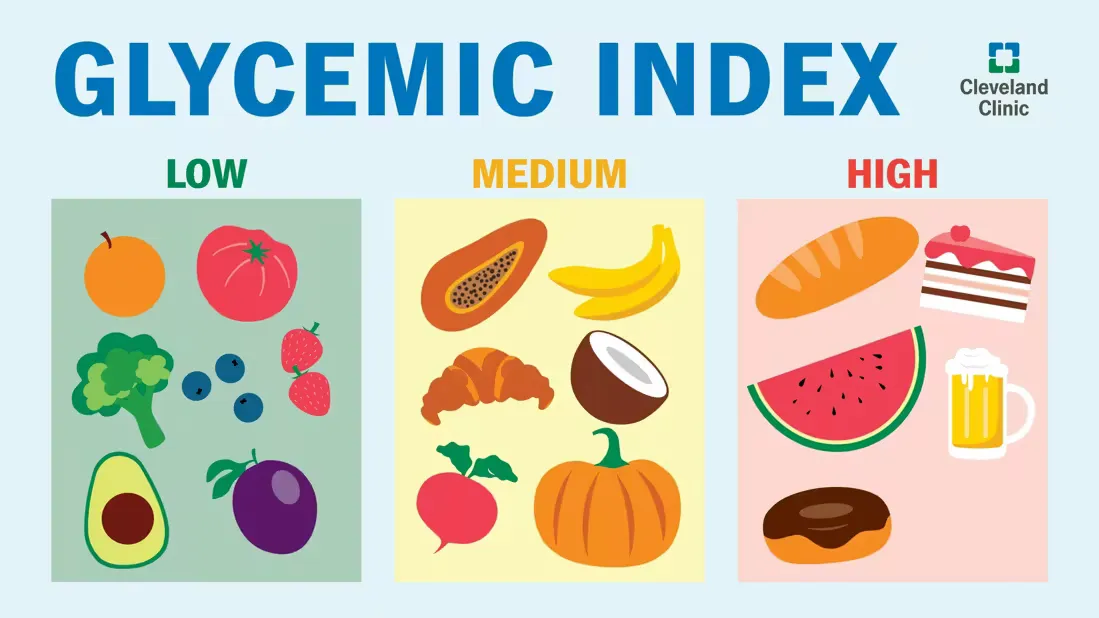
The same paper above gestures at the answer: caloric balance matters at the macro level, but the glycemic index of a food (how rapidly it raises blood glucose) drives metabolic response differently across food categories. A 2016 Harvard Health summary documented glycemic-load differences materially affecting weight, insulin sensitivity, and satiety. 200 calories from a handful of almonds and 200 calories from a sugar-sweetened beverage produce different physiological responses despite identical calorie counts.
5. "Sugar makes children hyperactive." — Myth.
A 2019 CNN Health synthesis of the controlled trials found the sugar-hyperactivity link is largely a parental-observation artefact, not a measurable behavioural effect in blinded trials. The placebo effect on the parent — expecting hyperactivity when the child has eaten sugar — produces the reported effect. There's a separate documented sensitivity in some ADHD-diagnosed children, but the general claim doesn't hold for the broader population.
6. "Eating late at night makes you gain weight." — Legit.
Counter to the framing of items 1–5, this one is real. A 2022 Harvard Medical School study documented late-evening eating increases hunger signals and elevates body-weight setpoint at matched daily caloric intake. Circadian-aligned eating (eating earlier in the day) produces measurably different satiety hormone profiles versus identical food eaten 4 hours later. This is one nutritional rule that does hold up.

Where to read further
The single best free reference for general adult dietary guidance is the US government's Dietary Guidelines for Americans 2020–2025 — produced by HHS and USDA, peer-reviewed, with full citation traceability. Canadian readers can consult Health Canada's Canada's Food Guide in parallel.
For adjacent reading, see our piece on the Mediterranean dietary pattern and the body-image industry, our look at ultra-processed foods and the diabetes correlation, and our piece on what evidence-based supplement claims look like.