
Antique furniture survives because it was built for survival. Most modern furniture is engineered for the opposite: a designed life span of a few moves, after which the consumer is expected back at the catalogue. The industry term is planned obsolescence; it isn't sloppy manufacturing, it's deliberate cost-minimisation against an assumed replacement cycle.
Three things to look at before you buy
1. The wood, not the veneer.
Heritage furniture used hardwoods — oak, walnut, maple, mahogany, cherry — with ring spacing that indexes for slow growth and density. Most contemporary mid-price furniture is built from particle board (sawdust and shavings bound with synthetic resin under heat press) or MDF (medium-density fibreboard). A veneer skin lets the finished surface read as wood; the structural core is reconstituted forestry waste with adhesive.
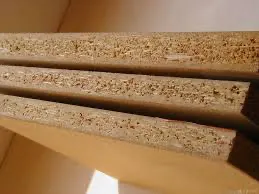
2. The joinery, not the screws.
Quality wood furniture is held together by mortise-and-tenon joints (a tenon on one piece slotting into a mortise in the other), dovetails on drawers, and dowel pegs at structural junctions. These joins don't require nails, screws, or staples to hold; they outlast the wood. Disassembly furniture (the flat-pack class) holds together with cam locks, screws, and dowels into pre-drilled MDF — when the MDF fibres around the cam lock fail, the joint is unrepairable.
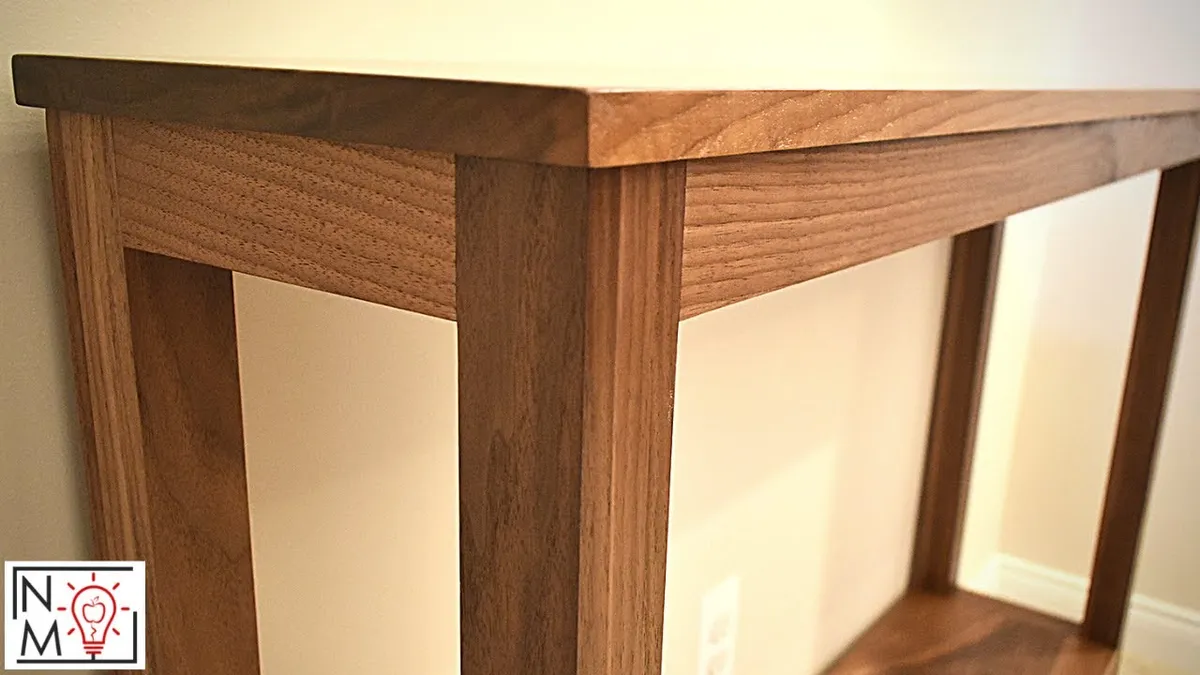
3. The ring spacing on the lumber itself.
Industrial lumber comes from fast-growth plantations — typically pine and similar softwoods harvested at 15–20 years for structural softwoods, hardwoods at 25–40. Slow-growth lumber has denser ring spacing, higher janka hardness, lower checking risk over time. A close look at the end grain on a piece of furniture tells you more about its lifespan than the price tag.
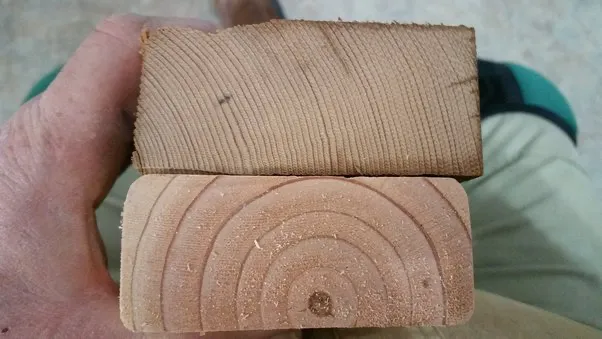
What the volume costs
The furniture industry's structural problem isn't aesthetic — it's volumetric. Some specifics:
- The National Wildlife Federation's 2022 wood-furniture scorecard found furniture accounts for up to 30% of global wood production, with substantial sourcing from regions with weak forest-management oversight.
- Health Canada documents that pressed-wood products release formaldehyde, VOCs, and flame retardants — the chemistry behind the "new furniture smell."
- The Lung Association of Canada notes off-gassing volatile organic compounds can persist measurably for months after delivery.
- Furniture-industry carbon footprint, including transportation, runs comparable to global aviation.
A counter-example with disclosure
Amish Furniture Designed (Whitby, Ontario)
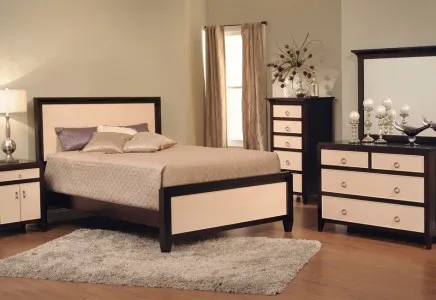
- Hand-selected North American hardwood, species named per piece.
- Traditional mortise-and-tenon and dovetail joinery, no particle-board substrate.
- Manufactured in Whitby, Ontario by Amish-tradition craftsmen.
- Unlimited warranty against structural failure.
Salaaz hasn't independently audited the lumber sourcing chain; the company's published commitments are the source. The price runs several multiples of equivalent flat-pack alternatives — the math works on the replacement-cycle assumption, not the unit cost.
What follows
The repeat-purchase model is the part of furniture economics that isn't on the price tag. Reading the construction (wood / joinery / ring spacing) is the consumer-facing test that separates the two business models.
For adjacent reading, see our piece on the overconsumption pattern in textiles, our look at microplastic exposure including from upholstery and foam, and our piece on electronic waste and similar planned-obsolescence patterns.