
A consumer electronics product is a bill of materials. The materials come from a small number of geographies, often under documented labour and environmental conditions that the finished-product marketing does not surface. Three of those geographies and the chokepoints they represent:
Indonesia — nickel for batteries
A Wired investigation into Morowali (Sulawesi) — site of one of the world's largest nickel-processing operations, increasingly central to the EV battery supply chain — documented workers on 15-hour shifts at under $25/day with up to three months between days off. The plant's air-quality impact has produced a documented respiratory disease load on the surrounding population: local clinics reported approximately 52% of patient visits attributable to acute respiratory infection.
Democratic Republic of the Congo — cobalt
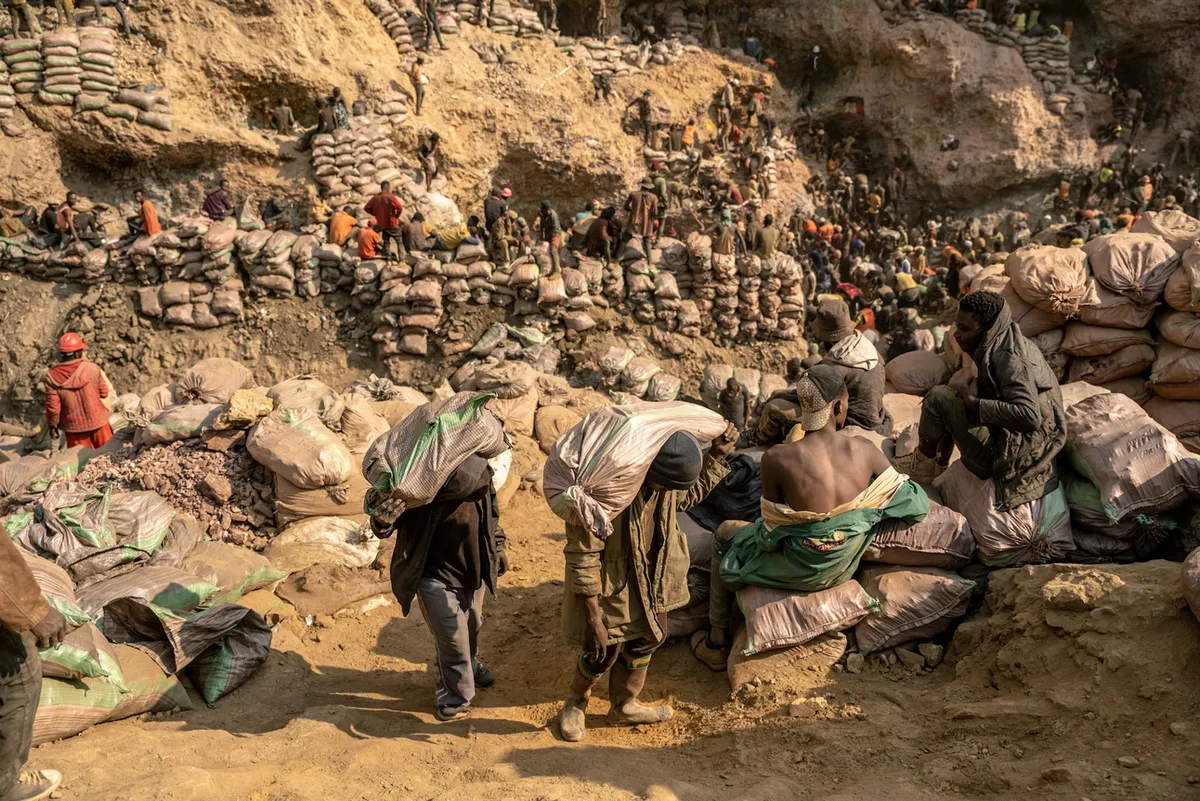
Roughly two-thirds of global cobalt is mined in the DRC, much of it from artisanal sites operating outside formal regulatory oversight. Time's 2024 reporting on the artisanal cobalt sector documented miners earning under $150 per month, working in unventilated tunnels in T-shirts and flip-flops. Amnesty International's 2016 investigation into the same sites documented thousands of children working in cobalt extraction, some as young as seven, carrying ore bags heavier than themselves for ~$1/day.
The artisanal-cobalt feedstock enters the global supply chain through Chinese refineries that process it alongside formal-sector cobalt. By the time it reaches a battery manufacturer, the artisanal share is not visibly separable from the regulated share.
China — rare earth processing
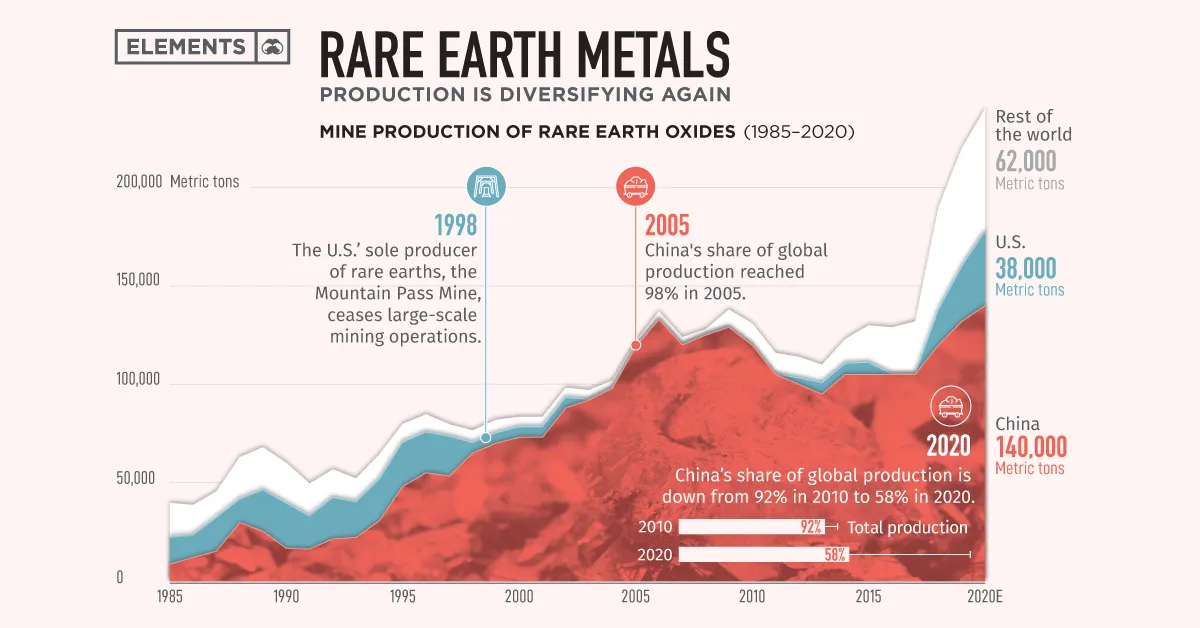
The mineral itself is geographically distributed; the processing capacity is not. Forbes reports that China produces approximately 60% of global rare-earth mineral output and processes over 85% of it. The processing concentration is what makes rare earths a strategic chokepoint — the supply chain has a single-country dependency at a critical refining stage.
What the manufacturer audits actually find
Amnesty International contacted 16 multinational electronics brands about cobalt traceability; per their published findings, none could trace their cobalt supply chain to source, even though all were either direct or indirect customers of refineries linked to the artisanal extraction sites. Apple, Samsung, and others published "zero tolerance for child labour" policies — without supplier audits to enforce them. The conflict-minerals regulatory regime that applies to tin, tungsten, tantalum, and gold does not currently cover cobalt; no equivalent disclosure requirement applies.
Buying decisions that move the number
The realistic position isn't to opt out of electronics. The realistic position is to extend the lifecycle of each device.

- Refurbished over new. A refurbished device routes no new feedstock through the extraction chain. The CPO (certified pre-owned) market for phones and laptops is mature; Apple Refurbished and major-retailer refurbished programs offer manufacturer-warranted devices.
- Repairability. Right-to-repair legislation has improved in Canada (Quebec's Bill 29) and the EU (the 2024 right-to-repair directive); buy from brands that support replaceable batteries and parts availability.
- End-of-life routing. Provincial e-waste programs accept devices for component recovery; Vox notes the unused electronics already in households are worth meaningfully more than most owners realise at recycling/recovery price points.
What follows
For adjacent reading, see our piece on AI's data-labour and weapons-contract layers, our look at the Kimberley Process and conflict-minerals certification gaps, and our piece on indigenous land rights in extractive industries.