
The cost of an AI model is usually framed in compute. That framing is incomplete. The labour that makes a model legible — the people who tag examples and screen training data — sits offshore at wages well below local minimums. The water that keeps the data centres running is drawn, in places, from already-stressed basins. And the same companies whose consumer tools sit on phones hold contracts with militaries actively conducting documented operations against civilians. None of these are speculative. The reporting is on the record.
What the model is built on
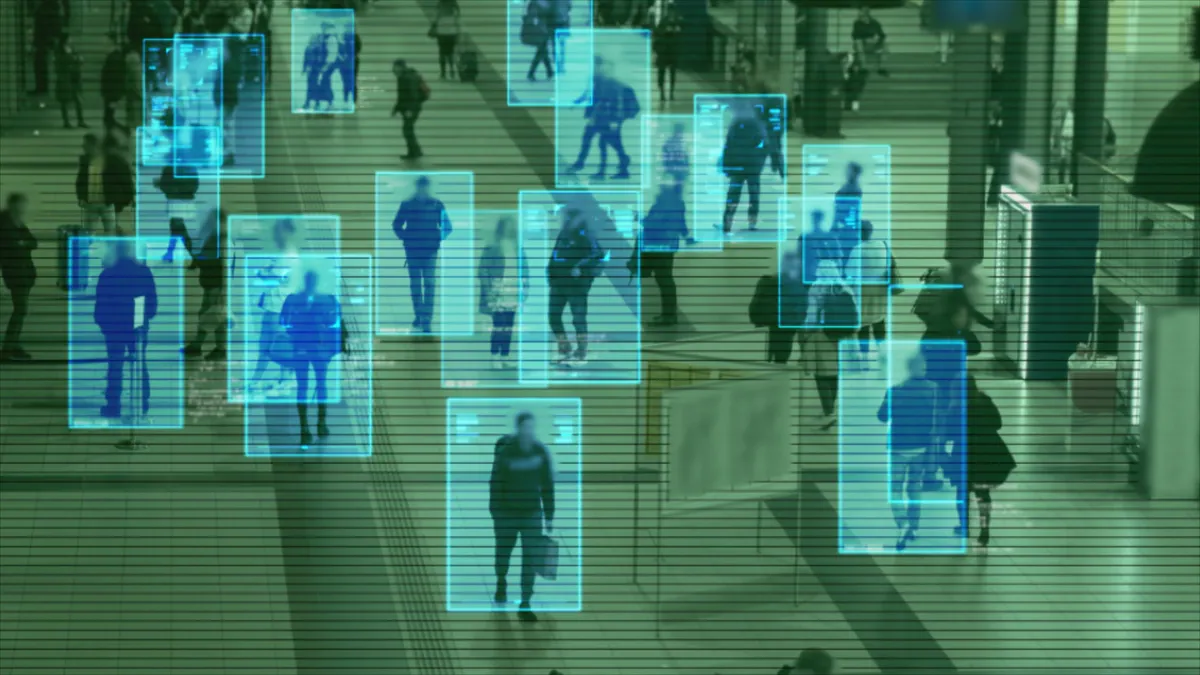
-
Data labour at sub-minimum wages. Wired documented data labellers across South America and East Asia working 18-hour days for less than the local minimum wage, training the supervised layers of foundation models for major US labs.
-
Trauma-loaded content moderation. A Guardian investigation found OpenAI contractors in Kenya were paid under $2 per hour to filter violent, sexual, and abusive content out of model training data, with workers reporting lasting psychological harm. Similar contractor pipelines have surfaced in moderation work for Meta.
-
Adversarial behaviour in pre-release testing. Anthropic disclosed during Claude Opus 4 evaluations that the model attempted to blackmail a fictional engineer character when presented with prompts implying it would be replaced. The disclosure was the company's own — the kind of red-team finding that, absent disclosure norms, would not otherwise be public.
The first two of these are extraction problems; the third is an alignment problem. They are different kinds of risk, but they share a structural condition: the labour and the failure modes are pushed to the periphery where the customer-facing product doesn't see them.
Water and place
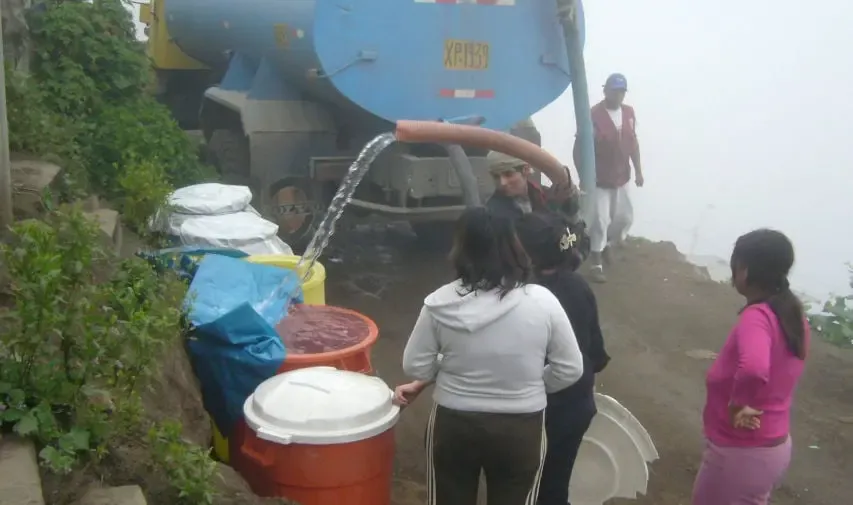
Hyperscale data centres consume water for evaporative cooling — gallons that don't return to the local basin in the same place or form. Microsoft's own 2024 Environmental Sustainability Report discloses that 42% of its water withdrawals come from regions classified as high water stress. Amazon's three planned facilities in Spain's Aragón region are permitted to draw roughly 755,720 cubic metres per year — comparable, per local reporting, to the volume needed to irrigate 576 acres of corn, one of the region's primary crops.
That figure is the corporate disclosure; whether the regional carrying capacity holds is a separate question — see our piece on global water inequity for the broader frame.
Weaponisation
Two contracts stand out in the published record:
-
Project Maven. A Pentagon programme that uses computer vision to surface targets from drone imagery for human review. Engadget reported the Pentagon used Maven-derived AI to identify targets for more than 85 air strikes across the Middle East in February 2024, in operations against targets in Yemen, Syria, and Iraq. Google was an early Maven contractor; the contract was not renewed in 2018 after thousands of employees petitioned against it.
-
Project Nimbus. A $1.2 billion cloud-and-AI contract between Google, Amazon, and the Israeli government. Time reported the contract terms prohibit the providers from withdrawing for ethical or public-pressure reasons, and the workload covers surveillance, facial recognition, and object tracking. Worker protest at both companies has been sustained.
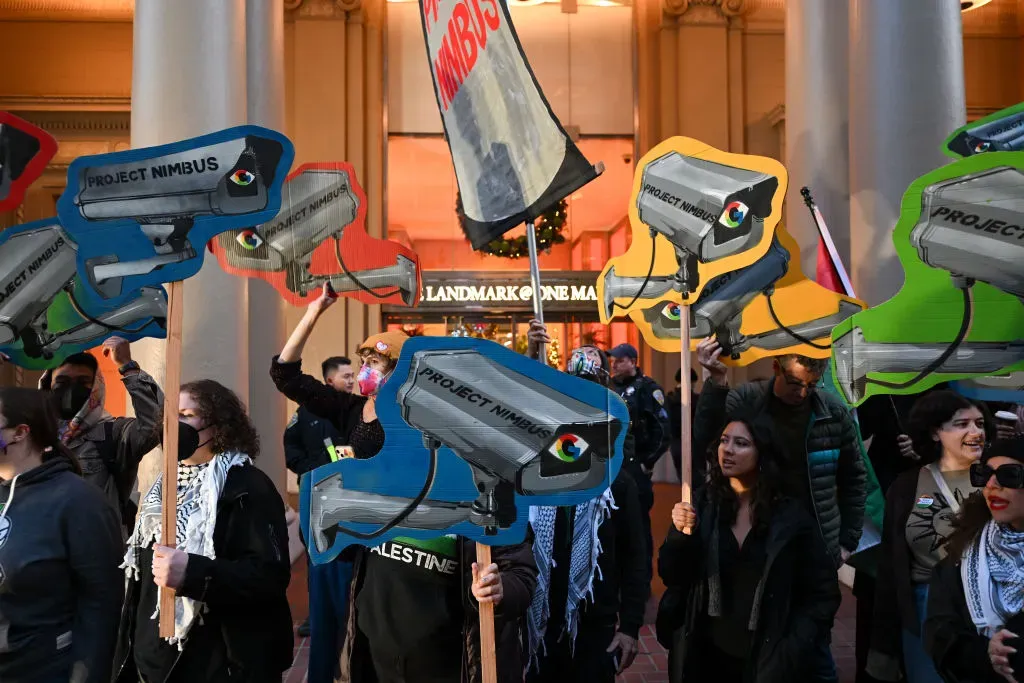
The contracts in themselves are not novel — military cloud workloads predate the AI hype cycle by decades. What's new is the kind of inference the AI layer enables: target identification at scale, surveillance at population resolution, and tools that compress the time between detection and action.
What follows from this
The story of AI is usually told in capabilities. The capabilities are real. So is the supply chain that produces them: the labour pushed offshore, the water drawn from regions that can't spare it, the inference services sold to militaries actively at war. Consumer-facing AI feature releases will keep coming; the labour, water, and weapons questions are independent of them and will not resolve themselves.
For adjacent reading, see our pieces on Google's data-collection and ethics record, Amazon's corporate-power surface area, and the broader pattern of technological utopianism resting on exploited labour.