
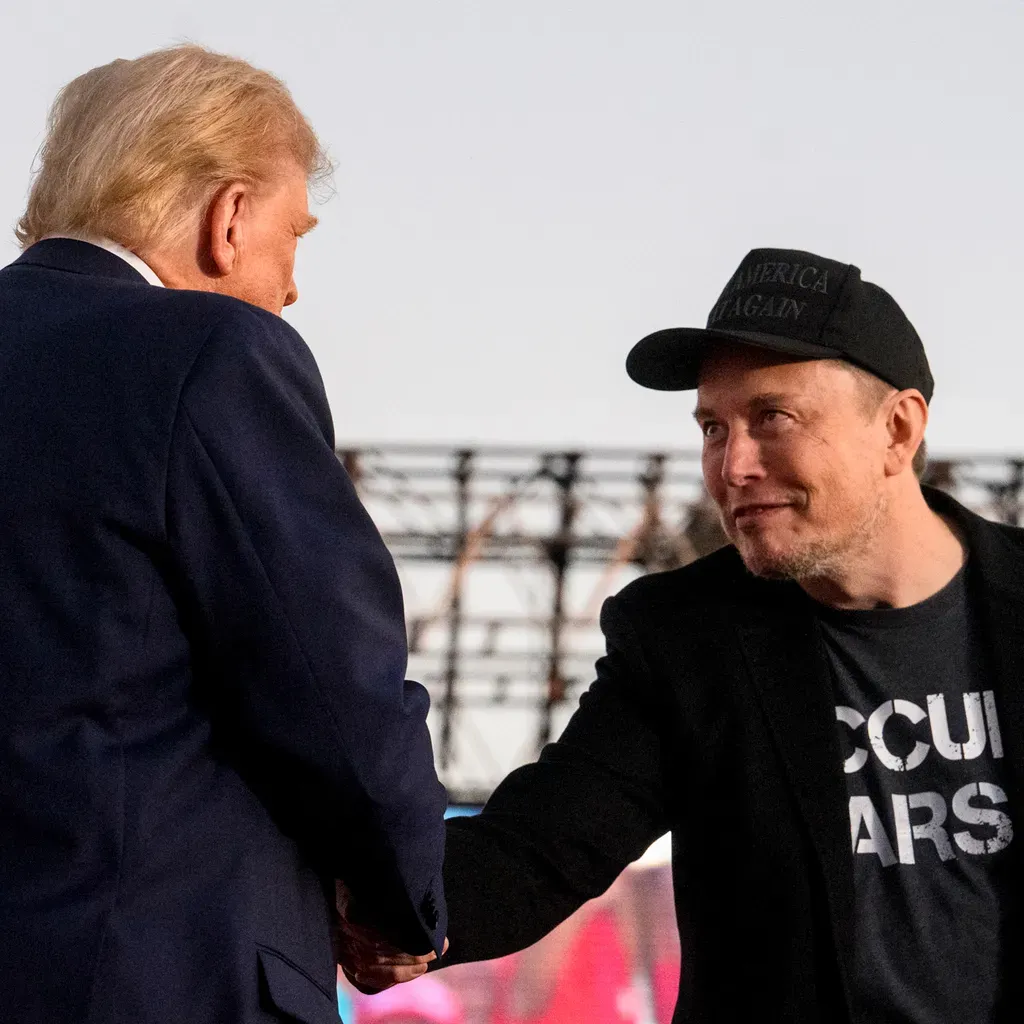
The Silicon Valley framing of AI and robotics has a consistent rhetorical move: that sustained technological development will eventually deliver universal abundance, and that the labour and ecological costs of the current development cycle are a transitional cost on the way there. Elon Musk's variant of the argument has been documented across multiple interviews; an NDTV summary covers the "no need to save money — there'll be universal high income" framing. The current-period bill of materials supporting that argument runs in a different direction.
The cobalt question
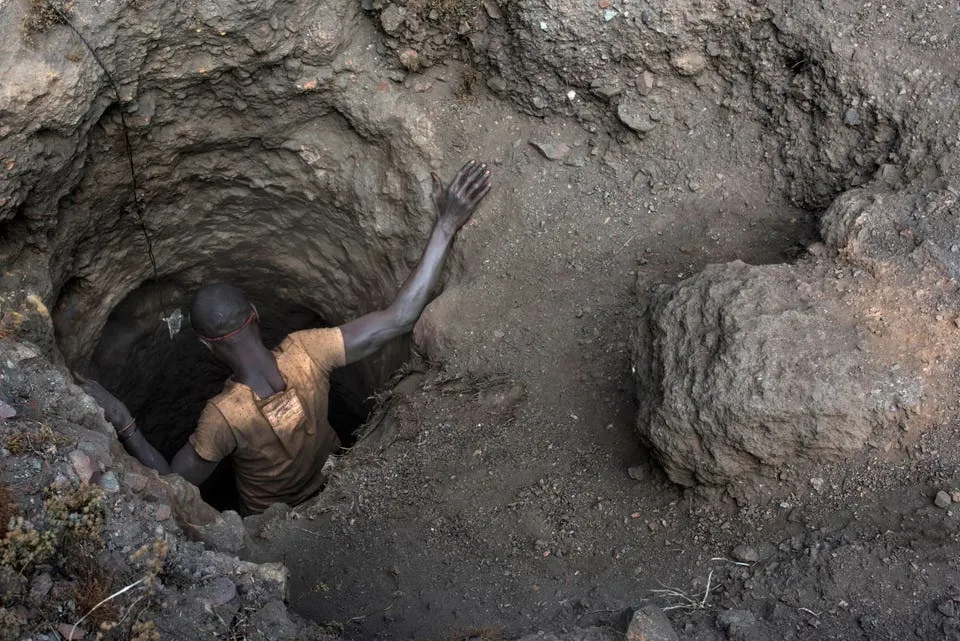
Approximately 60% of global cobalt comes from the Democratic Republic of the Congo, primarily through artisanal mining operations. The Guardian documented the labour conditions and per-worker pay in the artisanal sector — $1–2 daily compensation, dangerous tunnel conditions, child-labour patterns including children as young as seven. The cobalt enters battery supply chains feeding Tesla, Apple, Google, Microsoft, and other major manufacturers via Chinese refining intermediaries — making upstream provenance to specific mines structurally difficult to trace.
BBC News documented 14 Congolese families filing a US federal-court lawsuit against Apple, Google, Tesla, and Microsoft for damages and child-mortality cases linked to cobalt-mining operations in their supply chains; the case has progressed through multiple court rulings without final resolution at the time of writing.
The autopilot question
Tesla's self-driving capability marketing has outpaced its operational documentation in repeated cases. Yahoo Autos documented a 2025 lawsuit filed after a fatal autopilot-related crash killing four people and a dog, with the plaintiffs citing Tesla's published autopilot claims as material to their purchase decision. The Guardian separately documented Tesla shareholders filing suit against Elon Musk for concealing risks associated with the robotaxi programme — the company's own investors arguing the marketing claims overstated operational readiness.
The pattern is structurally consistent: Musk's public statements push the capability claim past the engineering reality, and the legal system catches up later.
What an AI utopia would actually require
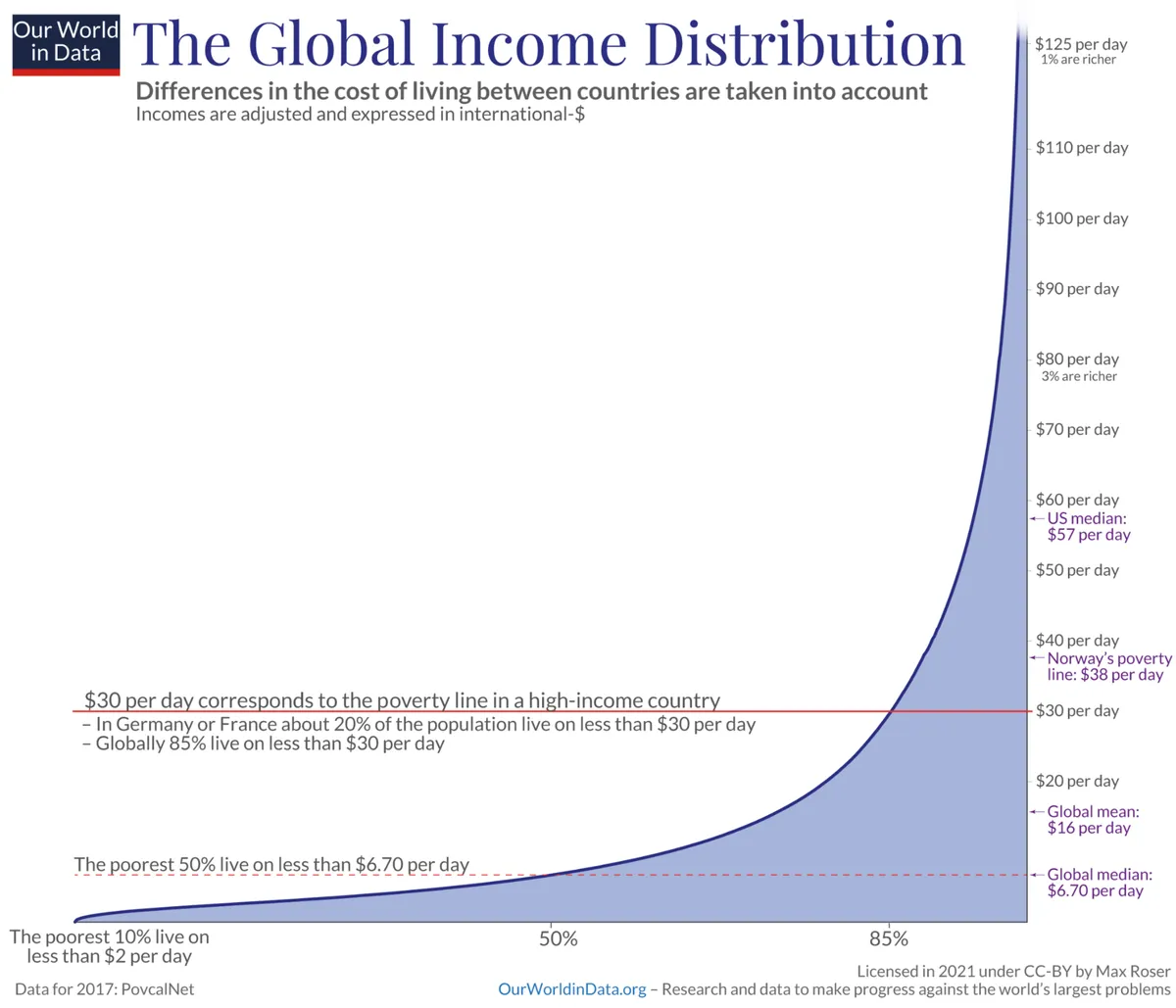
The future-oriented framing carries an implicit assumption: that the labour and ecological costs incurred now will diminish as the technology matures. The historical pattern doesn't support that assumption. The textile industry's exploitation patterns didn't diminish as production technology matured; they relocated. The electronics industry's hazardous-materials profile didn't diminish; it moved offshore. There is no documented precedent for a mature exploitative production model spontaneously self-correcting.
Three consumer-side levers that move the variable upstream:
- Buy less, buy better. Reducing turnover frequency on the consumer electronics cycle directly reduces the per-device cobalt extraction demand.
- Document supplier accountability. Companies track customer complaints; explicit supplier-chain questions to manufacturer customer service create a documented signal even if individual responses are unsatisfying.
- Push policy on supply-chain due-diligence. EU Corporate Sustainability Due Diligence Directive (CSDDD), passed 2024, requires major operators to audit and disclose upstream labour conditions. North American equivalents would close the regulatory floor.
One free starting point
Ecosia — search engine alternative.
- 100% of profits committed to reforestation programmes (over 200 million trees planted to date per company reporting).
- Renewable-energy-powered server operations.
- Minimal user-tracking infrastructure.
Salaaz hasn't audited Ecosia's reforestation-impact ledger independently; the company's published reporting is the source.
For adjacent reading, see our piece on AI's labour-and-weapons economy, our look at electronic-waste extractive supply chains, and our piece on Google's data-collection record.