
Canada holds roughly 20% of the world's freshwater and the average Canadian uses approximately 223 litres of it per day. The US average is similar in gallons (80–100). From the position of the 2.2 billion people without safe water access — UNICEF's standing figure, roughly one in four people globally — those numbers are a different universe.
What scarcity actually looks like
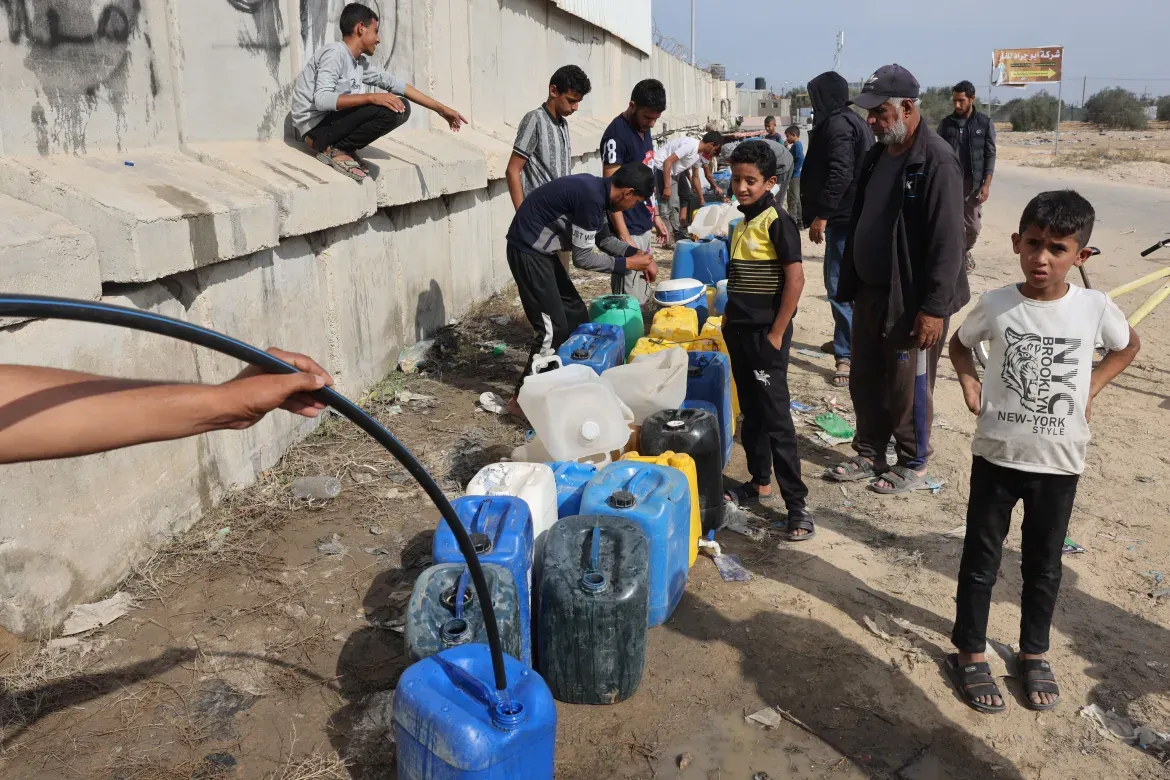
Households at the low end of access manage on one to five gallons per person per day — drinking and cooking only, no bathing, no laundry, no toilet flushing, no dishwashing. The water is often unsafe even at that volume: a 2023 systematic review found roughly 1.7 billion people drink from sources contaminated with faecal bacteria.
Canadian household use can be cut by approximately 25% without any change to comfort or hygiene baseline. The recovered volume, applied at the population level, would represent enough clean water to cover the basic-services gap for a significant fraction of the African continent currently without it.
Fiji Water — the case study
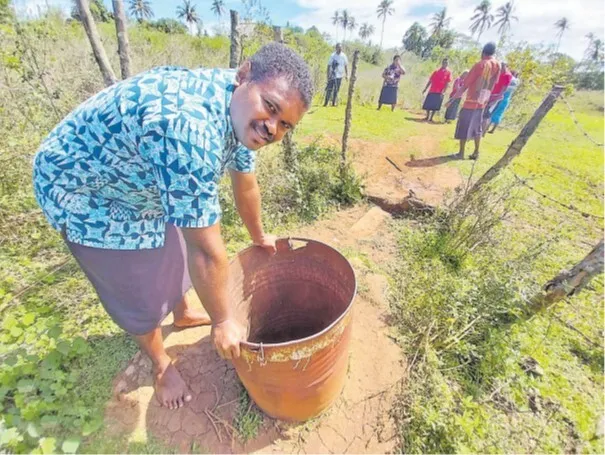
Fiji Water sources from a single aquifer on the main Fijian island and sells globally as a premium bottled-water brand. The disclosed and reported facts:
- The Fiji Times reports that 45% of households in Fiji drink contaminated water, per a national household survey.
- The reason is inadequate municipal water infrastructure — the same constraint that doesn't apply to the export-grade aquifer the company taps.
- The company recorded ~$506 million in 2023 revenue per RocketReach's filing-derived estimate.
- Per Mashed's reporting on the production model, each bottle uses roughly 1.75 gallons of water to produce (drawing, bottling, washing, shipping).
- NPR documented in 2010 that Fiji Water operated tax-free for decades under a custom Fijian government concession; the relationship has been periodically renegotiated.
Fiji Water is owned by The Wonderful Company (Stewart and Lynda Resnick). Public reporting tracks substantial Resnick philanthropic contributions to Israeli state institutions over multiple decades. Al Jazeera's reporting on the 2023–2025 Gaza conflict has documented substantial water-infrastructure damage and a population in Gaza surviving on under six litres per person per day, while average Israeli daily use remains in the 200-litre range. The ownership-and-philanthropy chain is the reporting; readers can draw their own line through it.
A Canadian alternative
Ice River Green Bottle (Ontario)
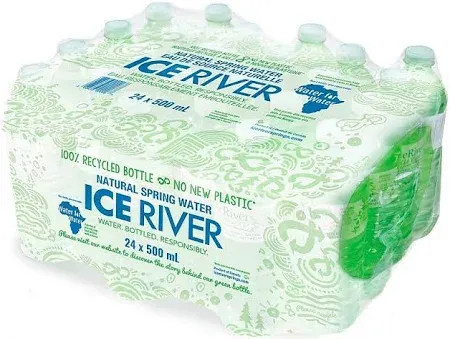
- Bottles produced in 100% recycled PET, manufactured in-house.
- Family-operated; spring source disclosed at the watershed level.
- Published stewardship commitments around the source watershed.
The better option upstream of Ice River is a reusable bottle. Bottled water is, in nearly every consumer scenario, the higher-impact choice; brand selection within the category is a second-order question.
What follows
For adjacent reading, see our pieces on the rice supply chain's water dependency, the AI industry's data-centre water draw, and the broader pattern of corporate-power extraction.