
Microplastics are plastic particles below 5mm — a definition that includes everything from intentionally produced glitter to weathered fragments of larger plastic items broken down by UV and water action. The earliest detection of widespread environmental microplastic dispersal dates to the late 20th century. A 2022 Cryosphere paper documented microplastic contamination in Antarctic snow samples — confirmation that there is no longer any environmental compartment uncontaminated.
WWF's frequently-cited 2019 study estimates average weekly per-person ingestion at roughly 5 grams of plastic — about the mass of a credit card.

What the exposure correlates with
The research base on microplastic-specific health endpoints is still accumulating, but a 2024 AAMC clinical synthesis surfaced the working hypotheses:
- Endocrine disruption — particularly with phthalate plasticiser carriers.
- Cancer correlations across multiple sites, the strongest signal in colorectal cohorts.
- Cardiovascular disease with elevated MI risk in carotid plaque cohorts (Italian NEJM 2024 finding).
- Reproductive endpoints — both male fertility and pregnancy outcomes.
These are correlations from observational cohorts, not yet established causal pathways. A 2023 Particle and Fibre Toxicology review noted the body of established human-health evidence on plastic chemical loads is itself substantial — the microplastic question is whether the particle-size dose adds anything beyond the chemical load itself.
Polymer chemistry is non-biodegradable on human timescales. The degradation half-life of most consumer plastics is measured in centuries under standard environmental conditions; the breakdown product is smaller particles, not actual disappearance.
The marine side
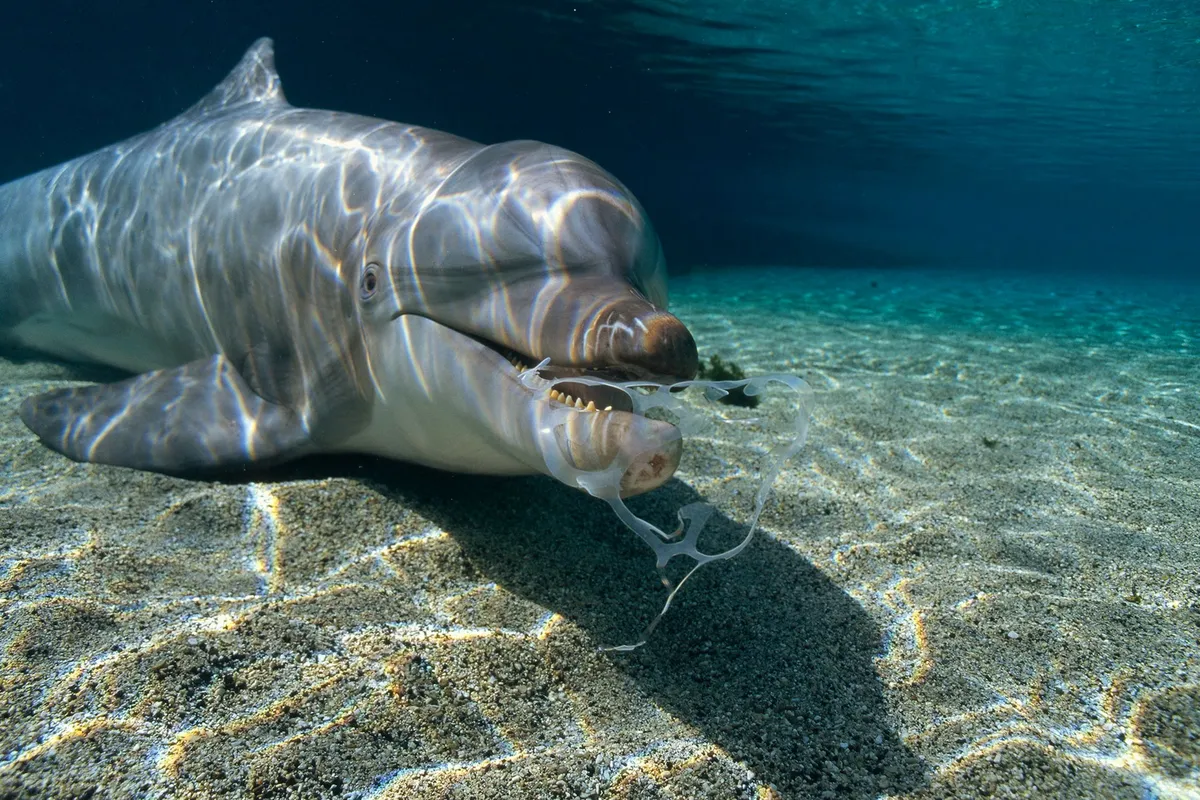
A 2023 Nutrients review documented microplastic detection in 90% of sampled marine species. The volumetric figure for ongoing input — roughly one garbage truck of plastic per minute, all year per the World Economic Forum's standing estimate — is the input side. The bioaccumulation through the food chain is the output.
The global-south dimension
The plastic-waste export pattern routes the disposal problem from high-consumption to low-regulation jurisdictions.
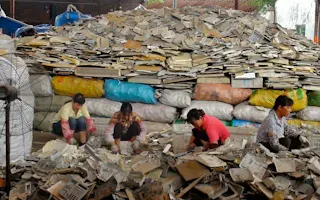
The Guardian reported in 2025 that UK plastic waste exports to developing countries rose 84% year-over-year, with the largest destinations being Indonesia, Malaysia, and Turkey. Earlier reporting documented similar US plastic-waste flows into the same destination set. The destination regulatory environments often can't absorb the volume; the result is open burning, river dumping, and informal-sector sorting under documented health-hazard conditions.
Household reduction levers
Five practical substitutions that move household microplastic exposure measurably:
- Kitchen utensils. Wood, bamboo, and stainless steel replace plastic; cutting boards in wood or composite rather than plastic.
- Drinking vessels. Stainless or glass; filtered tap water rather than bottled.
- Food storage. Glass or ceramic containers; beeswax wraps or silicone covers in place of plastic film.
- Apparel. Natural fibres (cotton, linen, wool, hemp) over polyester and acrylic.
- Personal care. Avoid PEG-containing formulations; check ingredient lists for polymer carriers in cosmetics.
Bare (Toronto)
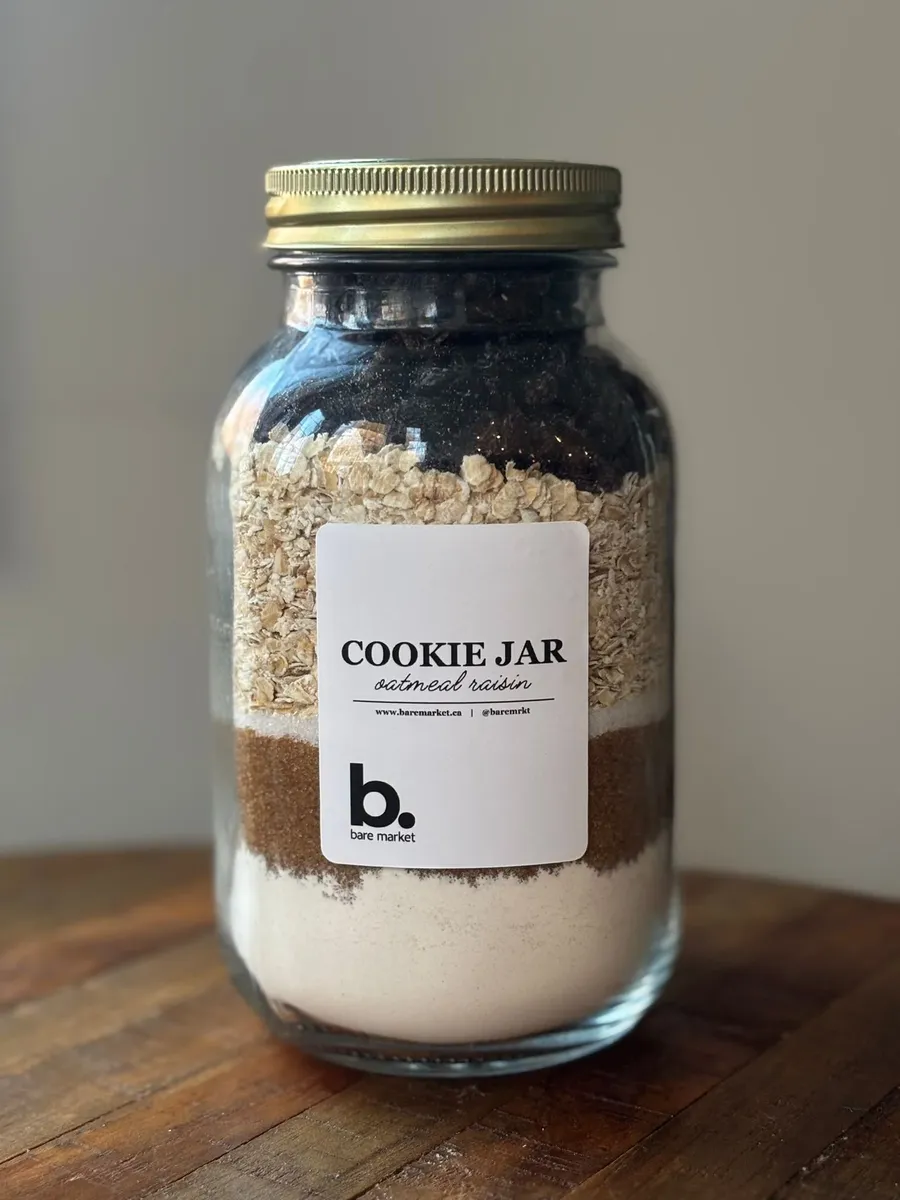
- Bulk-bin pantry and essentials with bring-your-own-container model.
- Brand-vetted product range for plastic-free packaging across categories.
- Online ordering for non-Toronto buyers.
What follows
For adjacent reading, see our piece on synthetic textile microfibre shedding, our look at polyester in plush toys and children's products, and our piece on PFA chemistry in everyday consumer paper.