
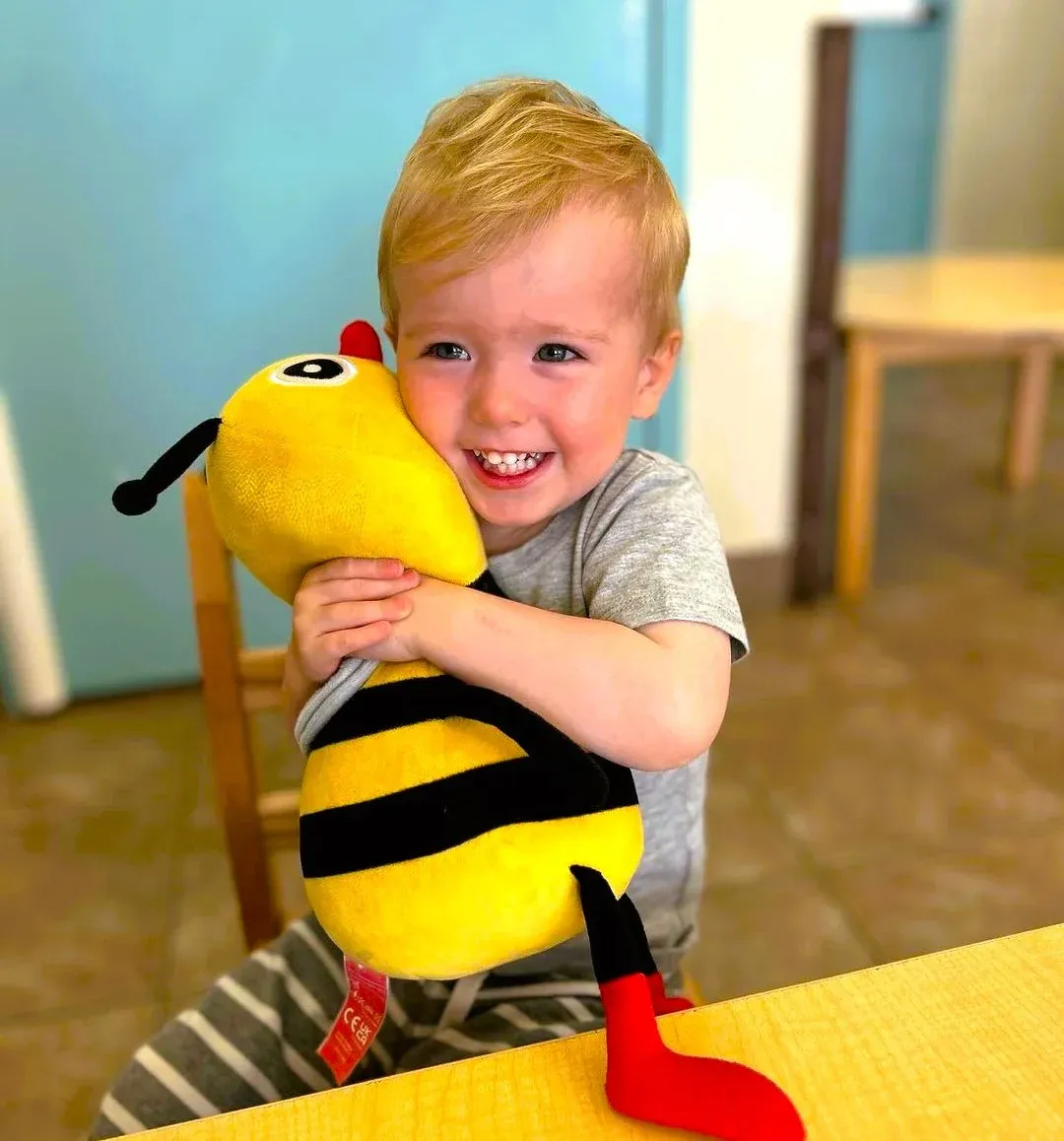
A plush toy is a soft surface in regular contact with a child's hands, mouth, and face for years. The exposure profile is high; the regulatory floor is comparatively low. Three documented concerns:
-
Dye chemistry. Synthetic textile dyes routinely include polycyclic aromatic hydrocarbons (PAHs), phthalate plasticisers, and naphthalene compounds. A 2014 Egyptian Journal of Aquatic Research paper classes the PAH subset as potentially carcinogenic under the standard IARC schema; equivalent classifications apply to several common phthalates.
-
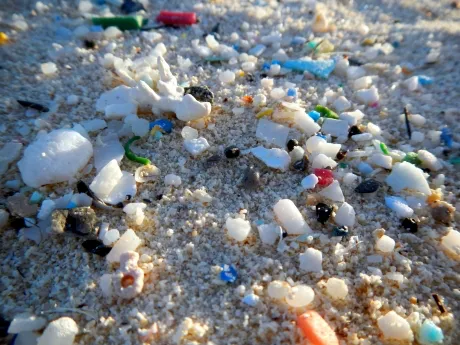
Microplastics. A 2024 AAMC review of microplastic exposure identified plausible associations with cardiovascular disease, cancer, and metabolic disorders, with the caveat that long-term epidemiological data is still accumulating. Polyester plushies shed microfibres directly into the play environment.
-
Bacterial retention. Approximately 90% of plush toys are constructed from polyester fibre, which holds bacterial colonies at substantially higher densities than natural fibres per a 2014 microbiology study — a relevant factor for items children regularly mouth and sleep with.
The environmental tail
Polyester degrades on a roughly 200-year horizon. The pre-degradation interval is what kills wildlife — marine plastic pollution causes more than 100 million animal deaths annually per National Geographic's synthesis of the published estimates, with a substantial fraction of input from textile fibres rather than packaging.
The brand record on the manufacturing side is uneven. Ty Inc., the maker of Beanie Babies, pleaded guilty to a $25 million federal tax-evasion charge in 2014; the founder served probation rather than custody. Pop Mart, manufacturer of the Labubu plush line, has been the subject of BBC reporting around supply-chain labour practices in its Chinese factories, with the company publicly addressing rather than rebutting the underlying allegations.
A natural-fibre alternative with the disclosure stack
Bears for Humanity
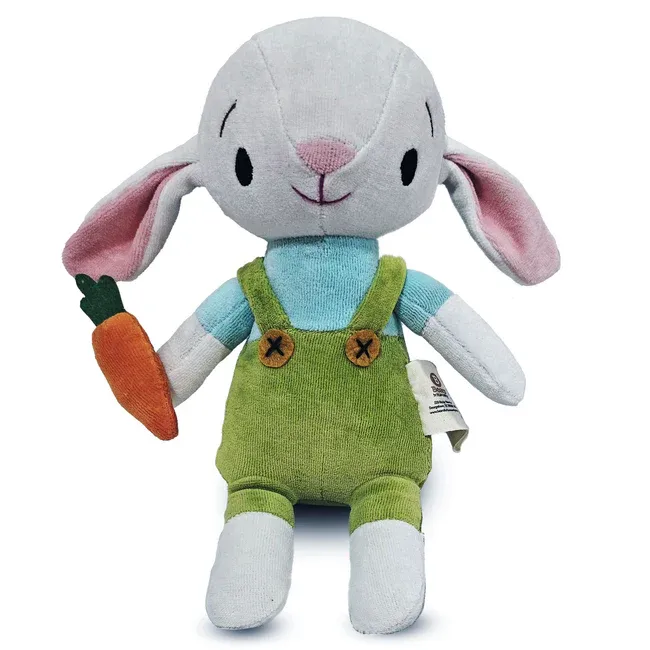
- 100% organic cotton outer.
- Organic kapok fill (no synthetic stuffing).
- Manufactured in India under stated fair-trade terms.
- Published commitment of one donated plush per retail sale.
- No synthetic dyes, plasticisers, or fillers in the published spec.
Salaaz hasn't independently audited the India manufacturing partner or the donation programme ledger; the company's published disclosure is the source. The cost differential against a comparable polyester plush is real; so is the difference in what a parent is bringing into the house.
What follows
Plush toys aren't categorically a problem. Polyester construction is. For more on the children's-products category, see our pieces on the toy industry's broader chemistry profile and safer baby-products decisions. For the textile-industry parallel for adult clothing, see our piece on synthetic fibre prevalence in apparel.