
A toy isn't only a developmental object. It's also a sustained-contact consumer good — a child handles, mouths, and sleeps with toys for thousands of cumulative hours over the early-development window. The chemistry of those objects, and the supply chain behind them, deserves the same scrutiny applied to other categories with comparable exposure profiles.
The Mattel record
Mattel — the parent company of Barbie and Hot Wheels — carries a substantial documented record across multiple dimensions:
- Product recalls. A 2009 Journal of Business Ethics paper documented Mattel's recall of over 14 million products over excessive lead content, including lawsuits over downstream child-exposure cases. The recalls traced primarily to Chinese contractor and subcontractor operations.
- Factory conditions. The Independent's investigation into the Barbie-manufacturing supply chain documented uncompensated workplace injuries — hands blistered and burned in mass-production work, excessive overtime, and poverty-level wages across multiple plant audits.
- Body-image research base. A 2006 Developmental Psychology paper documented Barbie exposure shaping children's body-image perception from approximately age 5, with measurable effects on body-dissatisfaction scales in early-childhood cohorts.
- Public corporate positioning. Disoccupied's brand-tracking dataset documents Mattel's CEO public support for IDF-affiliated events during the 2023-2025 Gaza conflict period.
The plastic chemistry
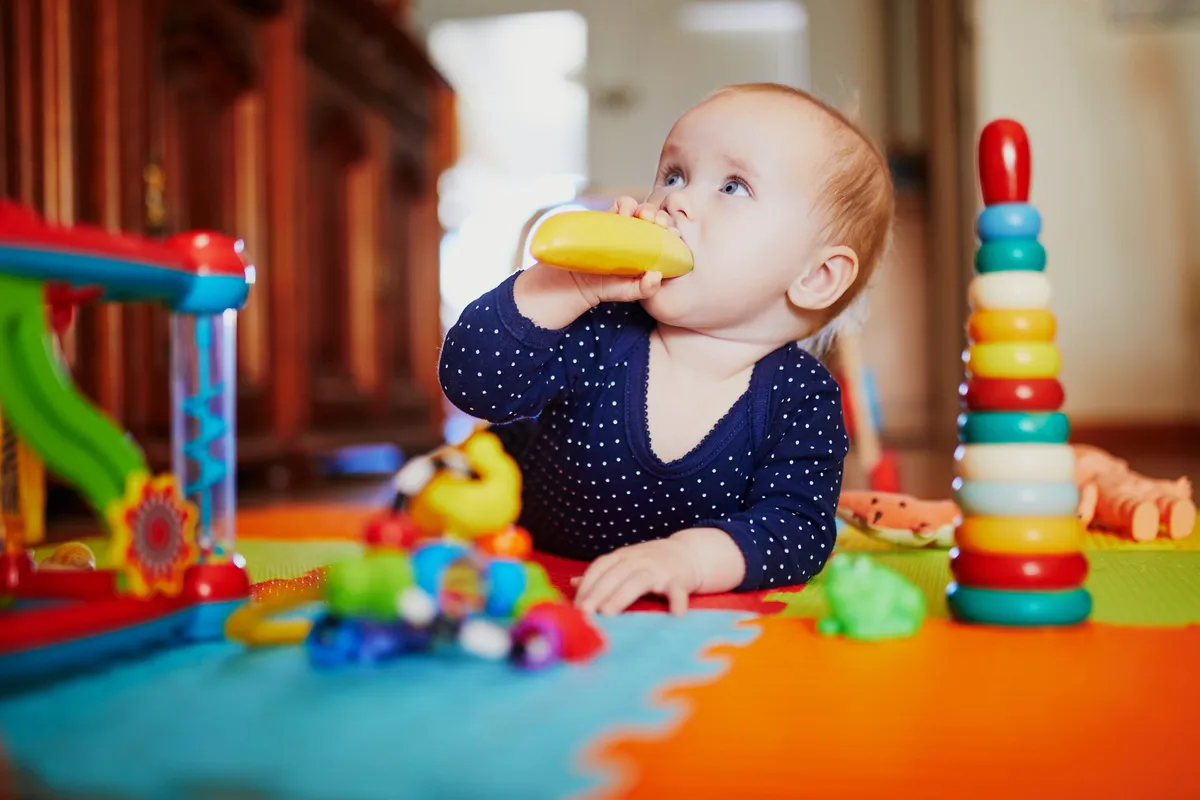
Three ingredient classes deserve specific attention:
- BPA (bisphenol-A) and phthalates. A 2020 Environmental Pollution review documented endocrine-disruption mechanisms with documented developmental and cancer-risk associations in pediatric exposure cohorts. BPA-free labelling is now common; the structural analogues (BPS, BPF) that substitute for BPA carry overlapping concerns and are less well-studied.
- Polyvinyl Chloride (PVC). The National Cancer Institute's vinyl chloride profile documents the chemistry's release of toxic precursors during manufacturing and incineration; short-term exposure produces dizziness and headache, sustained exposure correlates with elevated cancer-class risk including leukemia.
- Contaminant lead. A 2015 Hazardous Materials study using portable XRF spectrometry found lead in approximately 67% of vintage plastic toys tested, including older-generation Barbie dolls. Pass-down toys from a parent's childhood carry a documented contamination profile that current-production equivalents do not.
The safer-material alternatives — wood, bamboo, food-grade silicone, organic cotton, kapok fill — produce comparable play function without the chemistry profile.
Two operators with disclosed sourcing
Playful Peacock (Toronto)
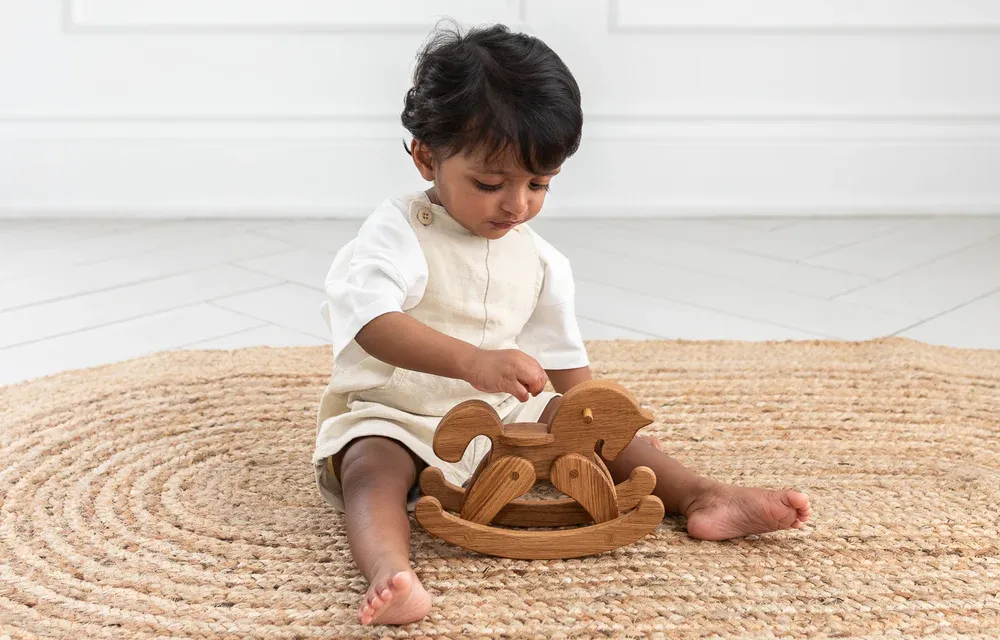
- Handmade toy operation; minimal-plastic packaging only where necessary.
- Per-purchase meal-donation commitment to Indigenous children in need.
- Published wage policy committing to living-wage labour standards.
OAK Creative Designs
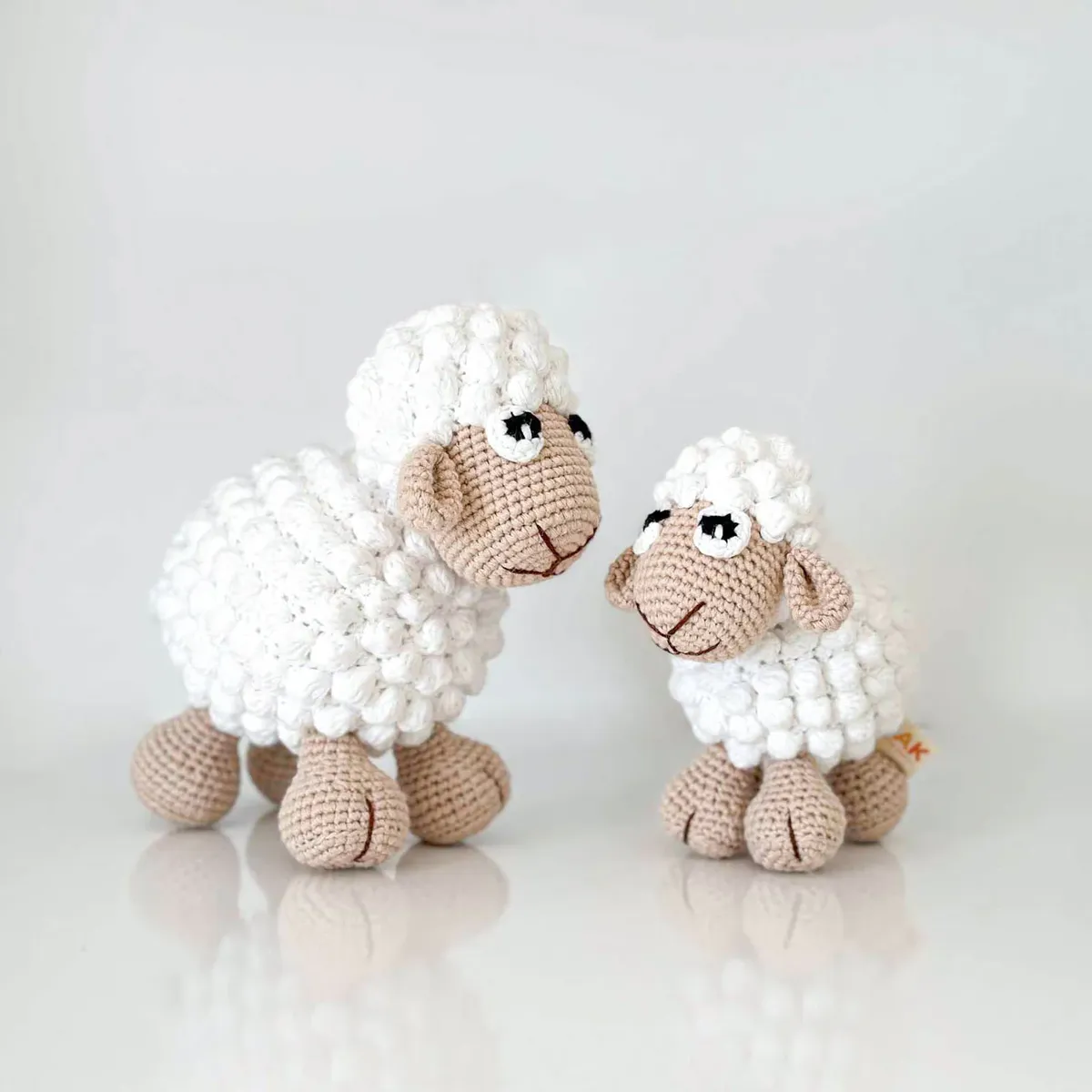
- Handmade plush and culturally-diverse doll lines.
- Produced by Syrian refugee women through vocational training programmes.
- Operating model provides skilled-labour pathway to refugee women with documented educational barriers.
Salaaz hasn't independently audited either operation; the published commitments are the source.
What follows
Reading the country-of-origin, the material disclosure, and the parent-company line on children's toys carries information the bright packaging does not. Wood, organic fibre, and silicone alternatives sit at higher per-unit price points than the mass-market plastic equivalent; the price differential is part of what's being paid for.
For adjacent reading, see our piece on plush-toy polyester and PAH dye chemistry, our look at baby-product safety claims, and our piece on body-image construction and marketing pipelines.