
The baby-products market runs on parental anxiety. Anxiety is a reliable demand signal, and the industry's revenue scale reflects that. Three patterns where the "safer" marketing pitch can produce the opposite of what it claims.
Connected monitors — the data side of safety
The Guardian documented in 2019 that several major baby-tracking app brands share data with tech and data-collection firms, often as a default configuration rather than an opt-in. The bargain a parent enters into when installing a connected baby monitor is broader than the parent–child relationship the device markets itself on; it includes the manufacturer's data-broker relationships and the analytics firms downstream.
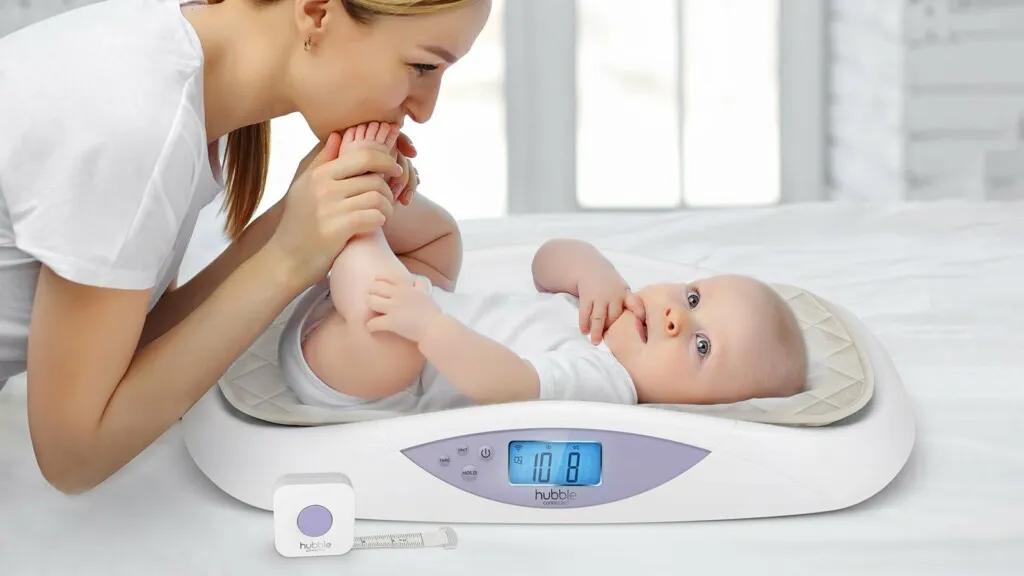
Four product categories where the safety claim doesn't match
- Bath seats. Marketed as a hands-free safety aid; the documented hazard is tip-over in standing water, particularly when a parent's attention shifts to another task. A non-slip baby bathtub with continuous parental presence delivers the actual safety endpoint without the false-confidence cue.
- Self-feeding devices. Bottle-prop and self-feeding solutions remove the parent from the choking-hazard intervention window. The cost-saving framing on these devices doesn't account for the documented aspiration-risk cases in the pediatric injury literature.
- Baby hug pillows. Sleep-positioning pillows with restrictive features carry SUID (Sudden Unexpected Infant Death) risk in infants under 12 months; the AAP's safe-sleep guidance specifically counsels against them.
- Novelty sleeping bags / wearable blankets. Marketed for warmth and convenience; the documented hazards are overheating and bunching-into-airway risk in heavier-fill products.
Diaper economics across three routing options
Disposable diapers are functionally non-biodegradable. A 2022 Science of the Total Environment paper documented decomposition windows on the order of 500 years for conventional disposables, with toxic-gas release during the incineration alternative. The volume scale across a typical infant lifecycle is approximately 4,000–6,000 diapers.
Biodegradable disposable — Naty (and similar brands)
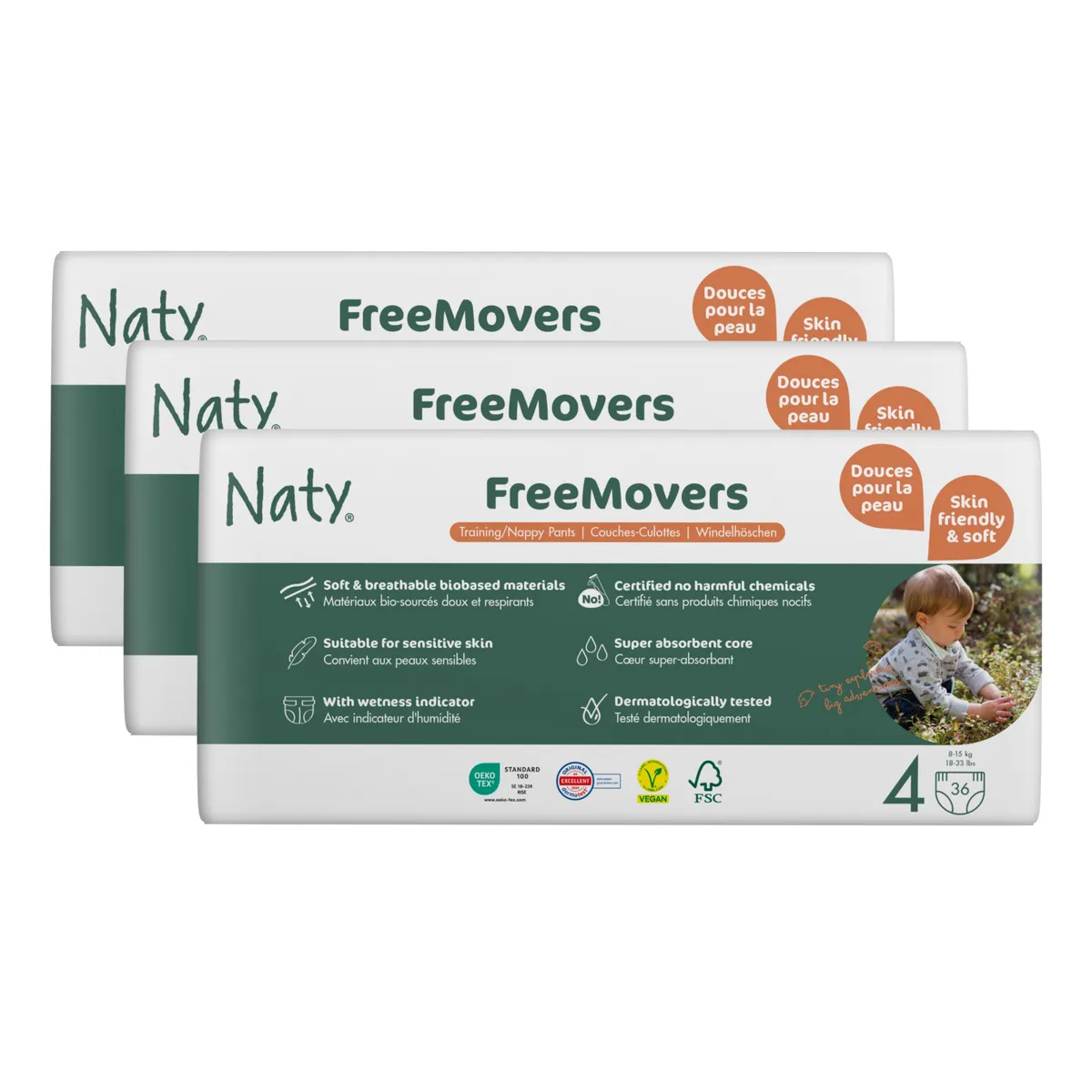
- Certified plant-based materials in skin-contact layers.
- Chlorine-free processing.
- Approximately $900–$1,000 per year per infant — roughly 2× the conventional-disposable cost.
Cloth diapers — Kushies (and similar)
- 100% cotton construction.
- Front-loaded capital cost (~$10/unit × 20-30 units = $200-300).
- Ongoing laundering replaces ongoing purchase.
Hybrid — cloth with biodegradable liner inserts
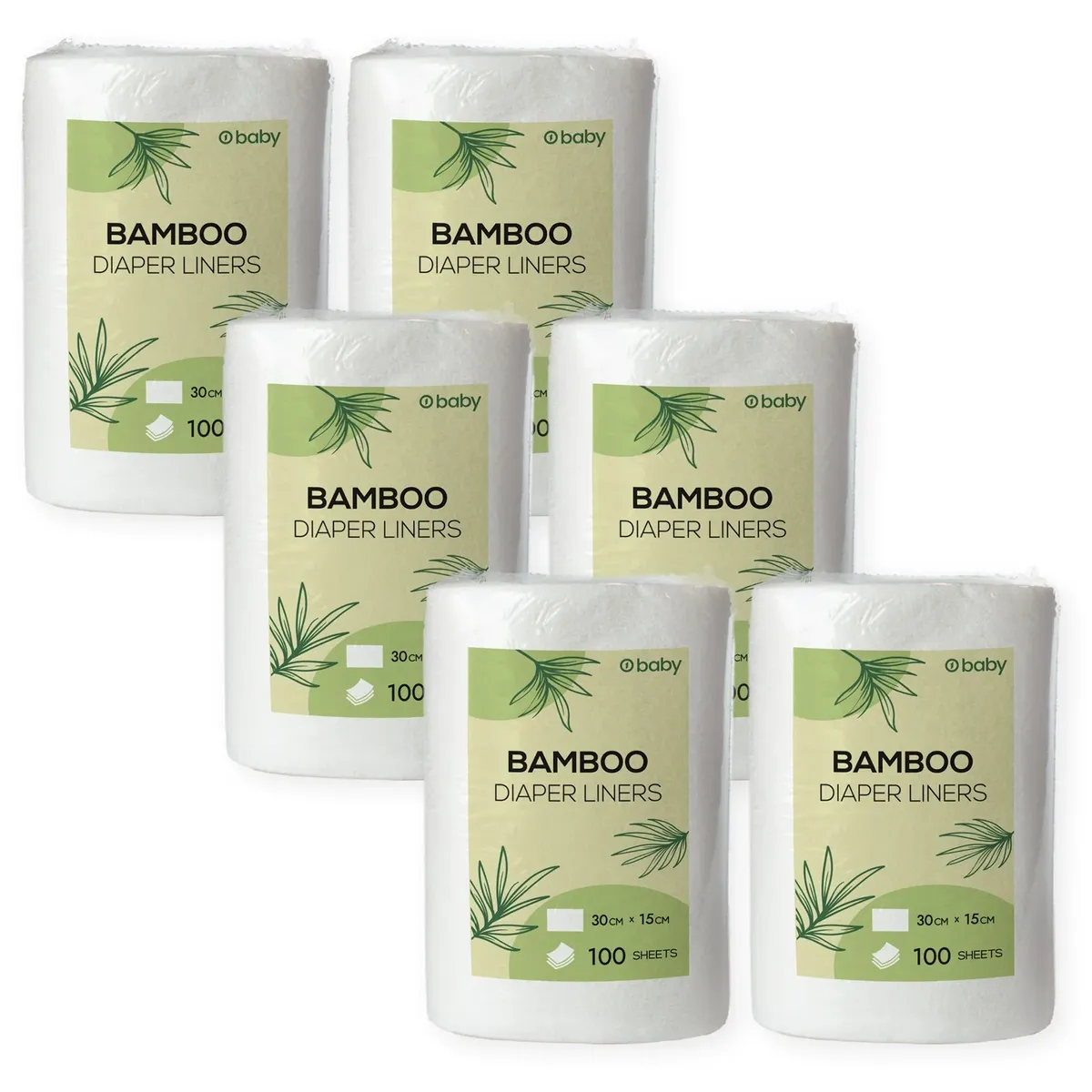
- Cloth outer layer with bamboo-fibre liner insert.
- Per-liner cost approximately $0.15.
- Cleanup convenience approaches disposable; landfill load closer to cloth.
The cost progression: conventional disposable ($400–$500/year) → cloth ($200-300 capital + laundering) → hybrid (comparable to disposable, lower waste) → biodegradable disposable ($900–$1,000/year).
Salaaz hasn't independently audited any of these brands; published certifications are the source.
What follows
The structural answer to the baby-products market's hype problem isn't to opt out — most of these categories cover real needs. It's to ask, of each "safety" product, what the documented risk pattern actually shows, and to spend the parental attention budget on the variable that moves the documented outcome (sustained presence during bath, infant on back in an empty crib, no overheated sleep environment).
For adjacent reading, see our piece on plush toys and polyester, our look at toy-industry plastic chemistry, and our piece on microplastic exposure reduction at the household level.