
Planned obsolescence is on the documented record. A former General Motors engineer told The Truth About Cars that quality-control lapses, expanded electronics integration, and component-material downgrades are deliberate operational choices in service of pushing the replacement cycle forward. The argument was made on the record by someone with operational insider visibility. The pattern isn't isolated to vehicles.
The iPhone case
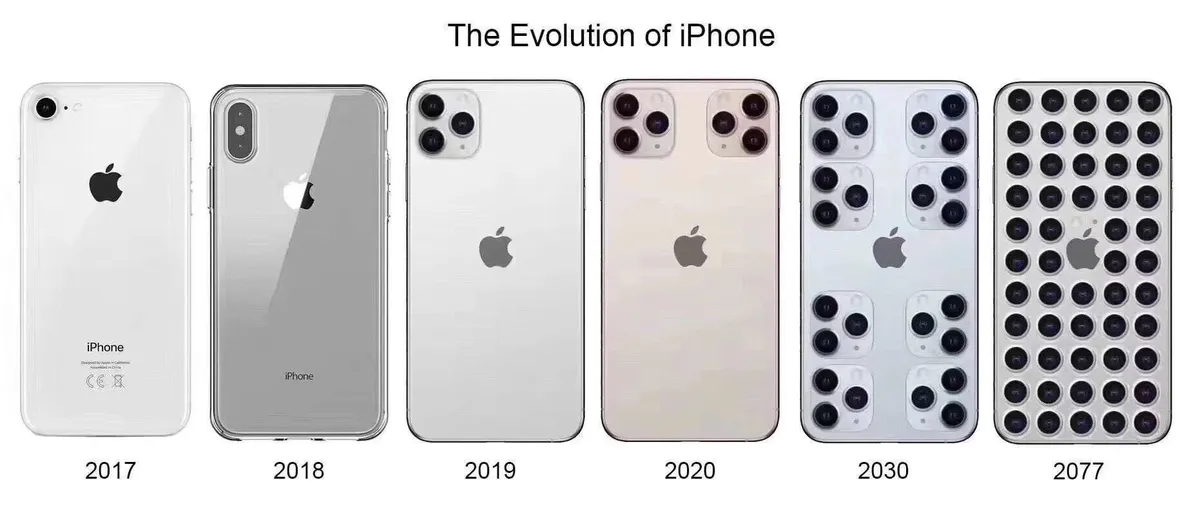
The iPhone's annual numbered-version release is partly a real upgrade cycle, partly a positional-goods marketing pattern. The component-availability and repair-difficulty curve adds a structural component: third-party parts for older iPhones become harder to source, repair labour at the Apple Store is intentionally priced near the cost of a new device, and the upgrade pathway becomes the path of least resistance.
The throw-away math
The standard consumer-side framing on the buy-cheap question is incomplete. Medical Expo's analysis of planned obsolescence in medical-device manufacturing surfaced the broader pattern: medical equipment in low-income production regions can't be sustainably maintained because replacement parts are unavailable, widening healthcare-access disparity in regions that can't simply absorb the replacement cost.

The throw-away pattern doesn't only affect the buyer's wallet. Devices replaced more frequently route more material through the extraction chain (see our electronic-waste piece for the cobalt-and-nickel side of that). The buyer's cost-per-month math doesn't capture the supply-chain externality.
Legislative pushback
Two jurisdictions have moved against planned obsolescence in operational law:
Quebec — Durable Goods Law (in force 2023)
Global News reported on Quebec's 2023 consumer-protection law imposing minimum-lifespan provisions, mandatory parts availability for stated periods, and explicit penalties for deliberately limiting product lifespan. The law applies to durable consumer goods sold in the province.
France — Anti-Waste Law (criminal-penalty provisions)
France's criminalisation of planned obsolescence carries criminal-penalty exposure for manufacturers found to have deliberately shortened product lifespans without operational necessity. The EU Right-to-Repair Directive (2024) extends parallel obligations across the bloc.
What the consumer-side answer looks like

The retail-therapy dynamic is the demand-side variable. Consumer purchasing rewards the dopamine response of acquisition; the resale, repair, and care behaviours that extend product life don't carry the same emotional payoff. Recognising the dynamic is the prerequisite to operating against it.
Three practical positions:
- Repair before replace. A repair café network exists in most major North American cities; volunteer-staffed repair sessions for small electronics, clothing, appliances.
- Buy slower. A 24-hour-pause rule on any non-essential discretionary purchase reduces impulse-driven acquisition without forbidding it.
- Document the request. When a product fails earlier than the stated warranty, a documented complaint to customer service generates the data corporate sustainability committees use for replacement-cycle decisions.
For adjacent reading, see our piece on furniture construction and planned-obsolescence patterns, our look at the textile-industry buy-cheap pattern, and our piece on electronic-waste extractive supply chains.