

Two consumer categories where the regulatory environment, market concentration, and ingredient chemistry intersect in ways worth knowing about: infant formula and cooking oils. Both are essential household categories; both carry documented patterns the marketing tends to elide.
Baby formula — the four-company monopoly
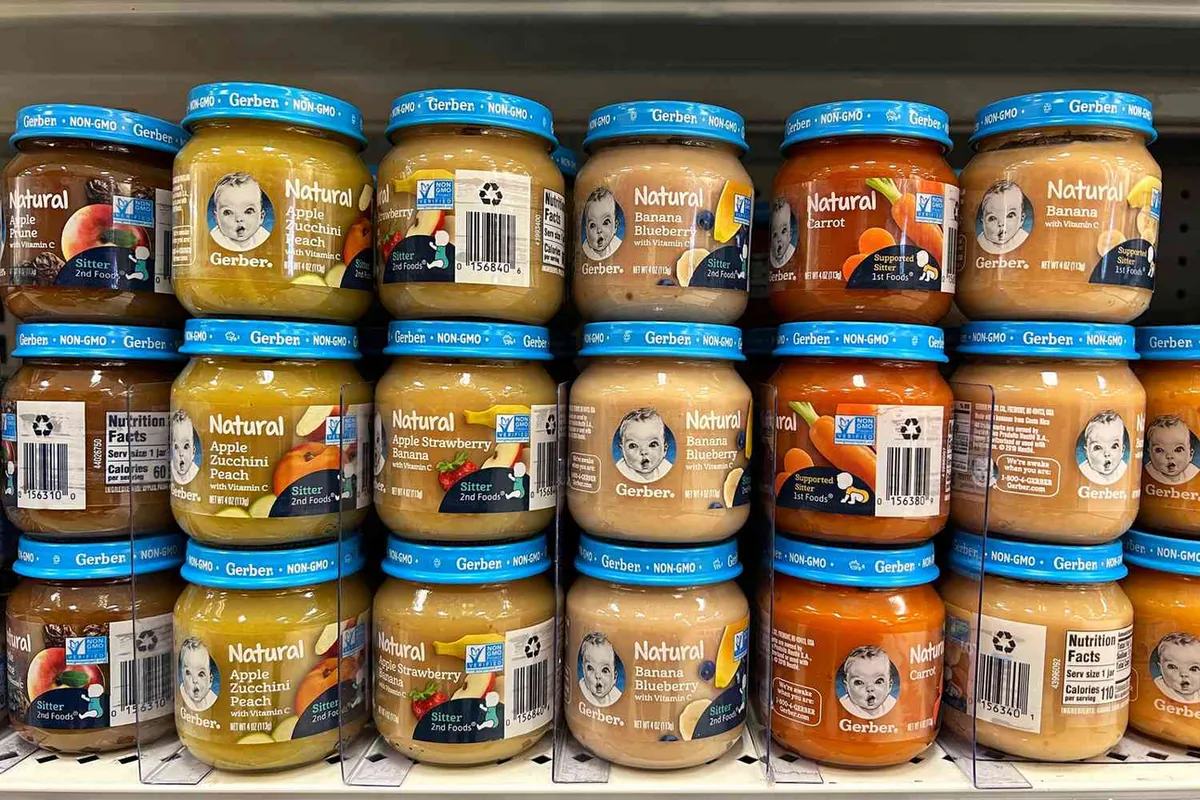
WCNC documented in 2022 that four companies control over 90% of the US infant-formula industry — partly a function of FDA regulatory barriers to entry, partly market-positioning consolidation. The dominant brands:
- Similac — owned by Abbott Laboratories, which maintains research facilities in Israel per the company's location directory.
- Gerber, Nido, and additional brands — owned by Nestlé, with the broader Nestlé corporate record covered in our earlier piece.
- Enfamil — owned by Mead Johnson, itself owned by Reckitt, which has documented Israeli AI and blockchain technology research investments.
- The post-pandemic baby-formula shortage exposed the supply-chain fragility of the four-company concentration.
The category economics per Fortune Business Insights:
- Global market: $35B (2022), $81.72B (2024), projected $178.83B by 2032.
- Global Citizen documented the disparity in regional purchasing-power impact — formula costs 1–3% of average parental salary in US/UK/France/Germany, 70% of average parental salary in Indonesia.
Canada Royal Milk — Canadian alternative
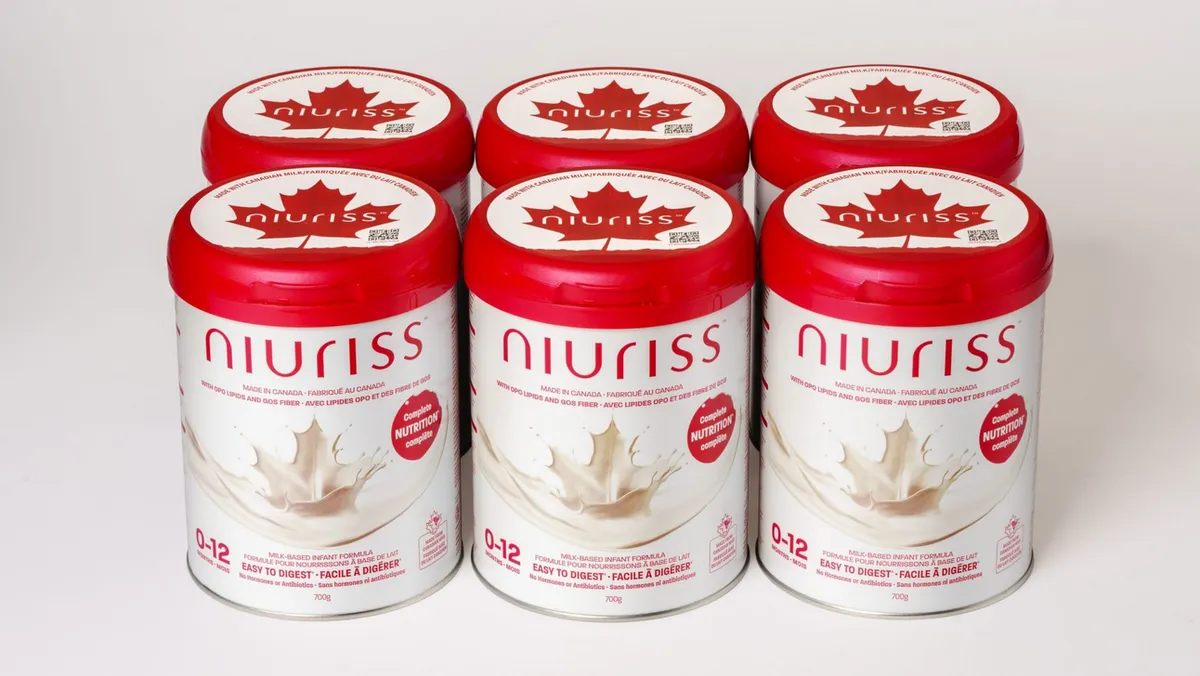
The first Canadian-manufactured infant-formula brand approved for retail sale:
- Approved for sale in 2024 per CFIA review.
- $332M CAD Kingston, Ontario manufacturing facility.
- 2024 revenue $14.9M CAD per ZoomInfo.
- 150+ skilled-labour positions.
- Full CFIA approval for infant-formula manufacturing per the company's 2024 press release.
The brand operates against the Canadian-dairy supply chain rather than the US-import dependency pattern.
Industrial seed oils — the chemistry history
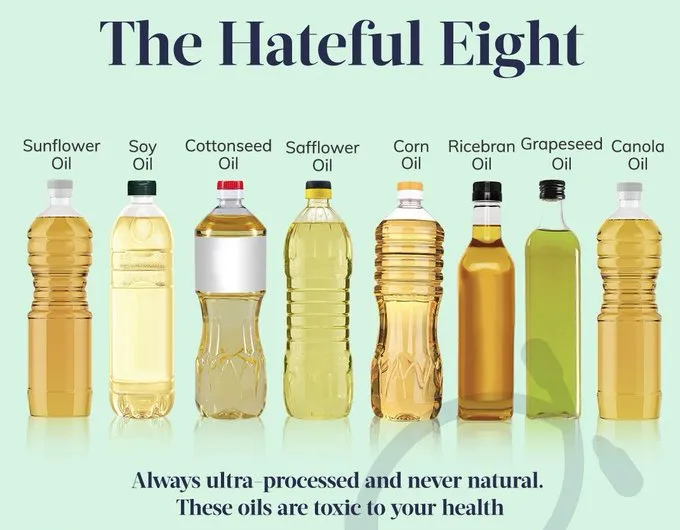
The marketing positioning of vegetable oils as a "healthy alternative" to animal fats traces to 1950s industrial-research promotions that didn't carry the clinical evidence base claimed at the time. A 2022 Nutrients review covers the historical research arc and the subsequent contradicting findings.
Documented concerns with high-heat industrial seed oils (canola, corn, sunflower, soybean, cottonseed):
- Heat-instability oxidation. A 2011 Nutrition Journal paper documented high-heat oxidation pathways producing pro-inflammatory compounds.
- Cardiovascular correlation. A 2014 Open Heart journal review documented cardiovascular-disease correlations with industrial seed oil consumption at sustained intake.
- GMO sourcing dominance. The majority of US-market canola, corn, and soy crops are genetically modified per Integrative Medicine summary.
- Market scale. $216.36B global cooking-oil market in 2024 per Fortune Business Insights.
Heart & Soil's comprehensive seed-oil list covers the specifics.
Natural-fat cooking alternatives

Five practical cooking-fat alternatives:
- Olive oil — best at low-medium heat; high in monounsaturated fats.
- Coconut oil — stable at high heat; saturated fat with documented metabolic profile.
- Avocado oil — high smoke point; mostly monounsaturated.
- Flax oil — cold-use only (oxidises at heat); high omega-3.
- Ghee and butter — clarified butter (ghee) is lactose-free due to milk-solid removal; both carry fat-soluble Vitamins A, D, and E plus broader documented benefits.
Smoke-point comparison: Industrial seed oils ~320°F before nutrient breakdown begins; ghee ~485°F — a substantial differential at standard cooking heat ranges.
Butter and ghee market scale per MarketDataForecast: $48.2B (2024), projected $152.34B by 2032. The market growth reflects the documented shift back to traditional fat sources.
What follows
For adjacent reading, see our piece on the broader Nestlé corporate record, our look at processed-food categories and the corporate concentration, and our piece on the Mediterranean dietary pattern as the evidence-backed framework.