
The holiday-season concentrates discretionary purchasing across confectionery, gift-giving, and arts-and-literature engagement. Three documented cases at the parent-company and sponsorship-relationship level.
Cadbury and Mondelez
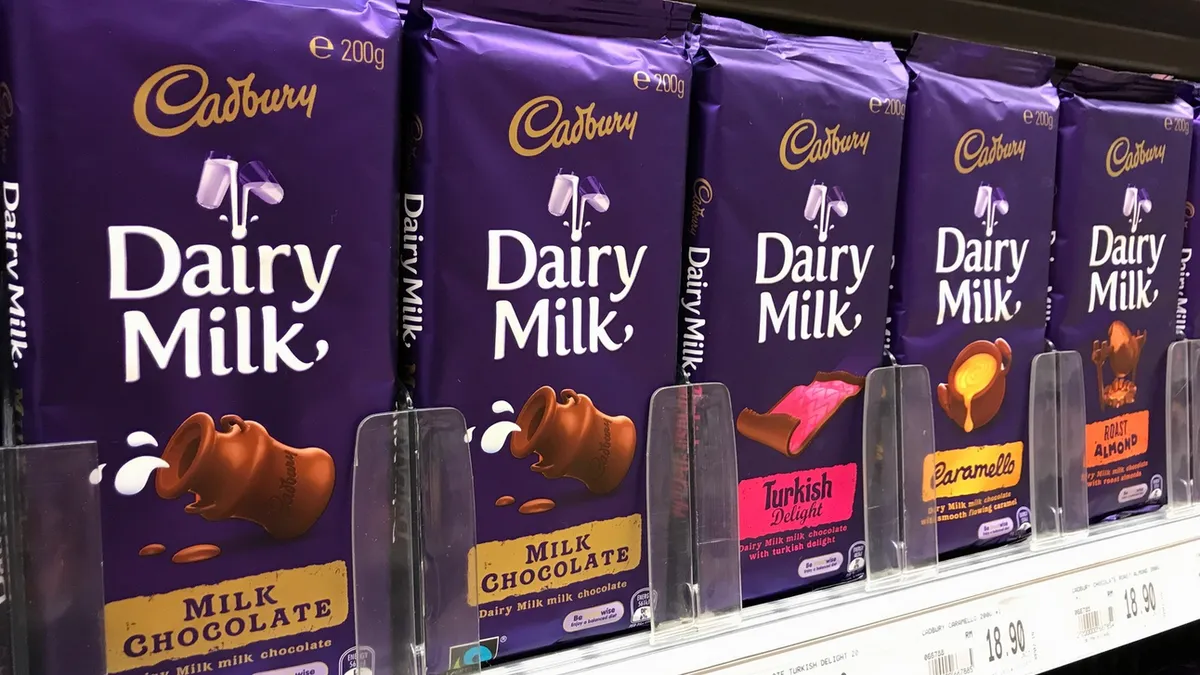
Statista's seasonal-candy market analysis puts the holiday window as the peak annual purchasing period for the confectionery category. Cadbury's parent company Mondelez sits in the documented-record category.
The Guardian covered in 2022 the continuing child-labour findings in Cadbury's cocoa supply chain in Ghana — 20+ years after the company's stated commitment to eliminate child labour from the supply chain.
The 2020 NORC (NORC at the University of Chicago) cocoa-industry labour study documented 1.56 million children working in the Ghana and Côte d'Ivoire cocoa sectors — the geographies that supply the majority of Cadbury and Mondelez cocoa input.
Mondelez additionally maintains SnackFutures venture investment in Israeli startups per the company's investor relations disclosure.
Revenue progression: $28.7B (2021), $31.5B (2022), $36B (2023) per Mondelez 10-K filings.
Unreal Snacks — alternative across multiple categories
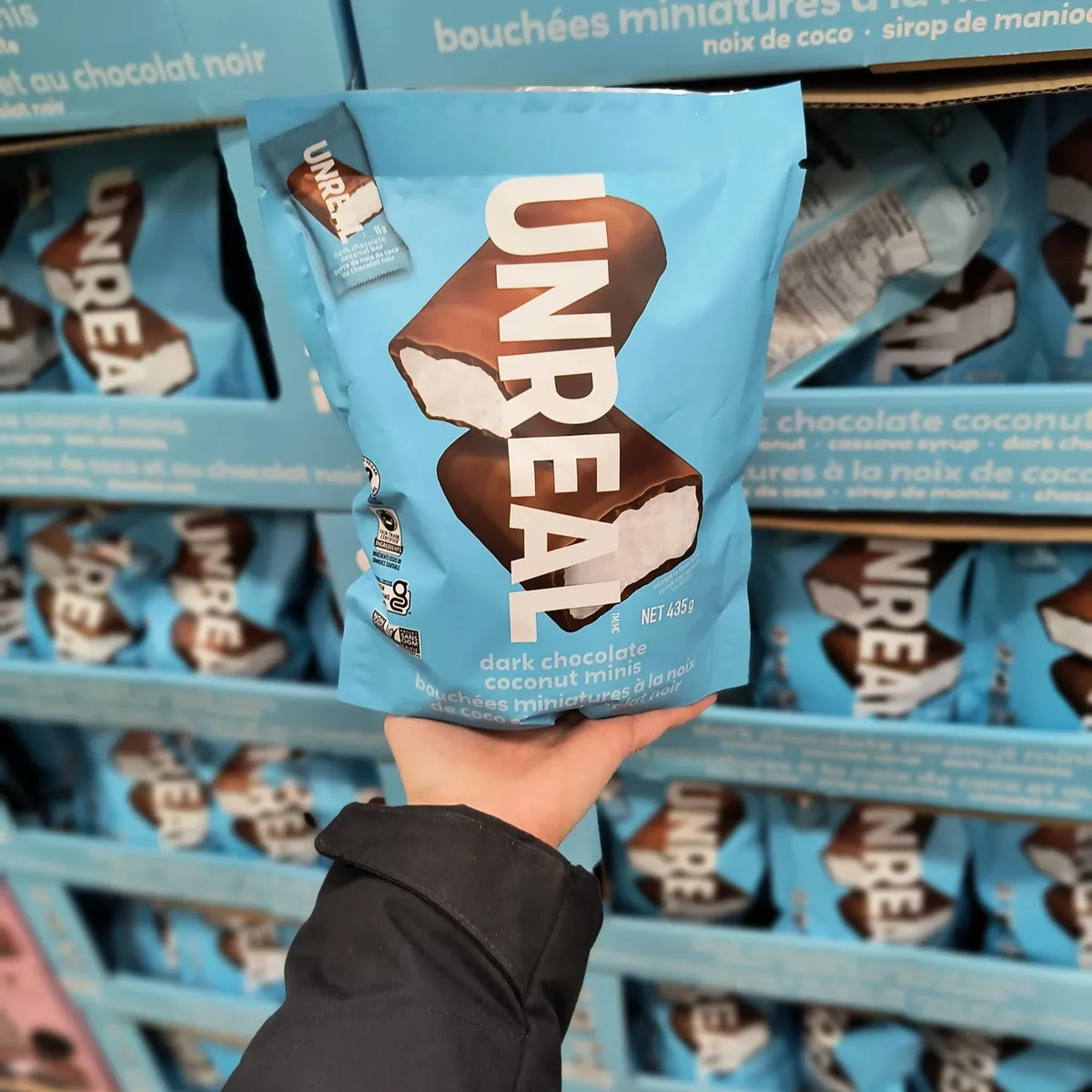
A specific operator producing direct substitutes for Mars and Mondelez category-leading products:
- B-Corporation certified.
- Fair Trade Certified cocoa sourcing per company disclosure.
- Product range covers M&M, Bounty, Snickers, and Reese's category equivalents.
- USA and Canada manufacturing.
- Available through Whole Foods, Costco, online channels.
- $16.9M annual revenue estimate per ZoomInfo.
CEO Kristopher Bronner's TED talk on the "junk food can be unjunked" thesis covers the broader operational positioning.
Other previously-mentioned alternatives in this category: Camino, Russell Stover, Laura Secord, and the Salaaz piece on confectionery and the bliss point for broader category context.
The Giller Prize and the No Arms In The Arts boycott

The Scotia Giller Prize is Canada's most-recognised literary award. Scotiabank's documented $112M investment position in Elbit Systems — Israel's largest arms manufacturer — became the focal point of an artist-led 2024 boycott.
CanLit Responds published the open letter signed by 40+ Canadian authors withdrawing work from Giller programming and consideration. The Boycott Giller campaign extended outreach to editors, translators, publishers, critics, library workers, and booksellers across the Canadian literary ecosystem.
The Giller Prize organisation quietly cancelled its 2024 finalists' cross-country tour in response to the dissent.
No Arms In The Arts Tour stepped in as the replacement: a cross-country reading series featuring Palestinian authors and Palestinian-liberation-aligned Canadian writers. Tour-specific information is at the campaign's coverage page; subsequent equivalents have continued through the 2024-2025 period.
What follows
The sponsorship-relationship layer in arts and cultural institutions is part of the corporate-record map. The Scotiabank-Elbit case is one of the more visible recent examples; museum, theatre, and concert-hall sponsorship arrangements often carry similar layers worth understanding.
For adjacent reading, see our Canadian banks piece for the underlying institutional positions, our look at the broader confectionery industry structure, and our piece on weapons-industry economics and the supply-chain that feeds it.