
The holiday season concentrates two categories of consumer-product purchasing: confectionery and personal-care gifting. Both categories run on a small number of multinational corporate parents with documented operational records.
Ferrero
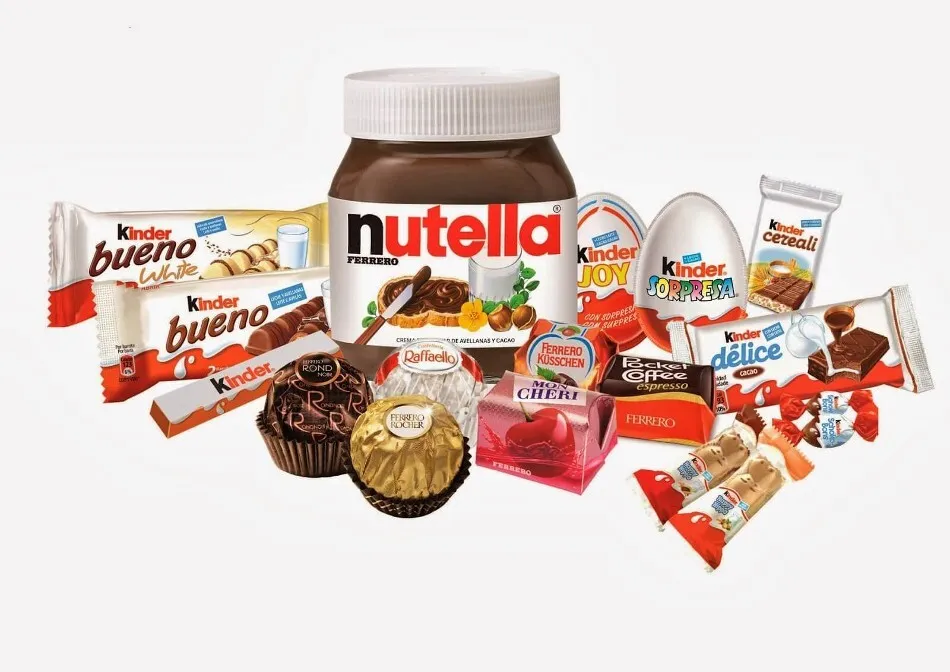
Ferrero owns Nutella, Ferrero Rocher, Kinder, Tic Tac, Fox Cookies, and other brands per the company's brand directory. Two documented patterns:
- Tel Aviv operations. Ferrero maintains a Tel Aviv headquarters per the company's location directory.
- Incredo partnership. Food Dive documented Ferrero's $30M investment in Incredo LTD (formerly DouxMatok), an Israeli startup producing modified-sugar artificial sweetener technology. The sweetener-and-gut-microbiome research base is still accumulating — a 2023 RTI International review documented open questions on artificial-sweetener metabolic effects.
Ferrero's revenue progression: ~$13.4B (2021), ~$14.8B (2022), ~$18B (2023) per Ferrero's annual key figures and Confectionery Production.
Laura Secord — Canadian alternative
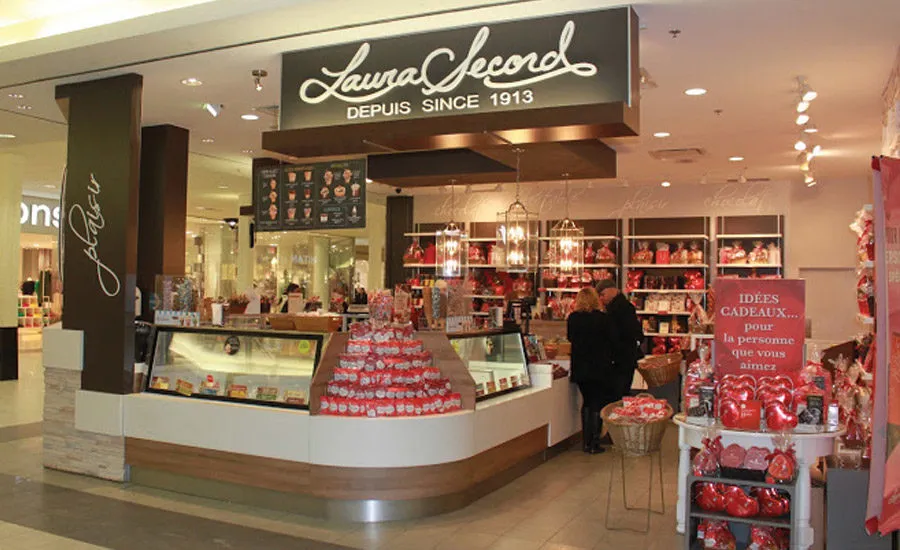
- Canadian-founded, owned, and operated.
- 70+ locations Canada-wide per company directory.
- Mississauga, Ontario headquarters.
- 2023 revenue $182.7M per ZoomInfo aggregation.
- Parent company Nutriart holds Rainforest Alliance Certification on its cocoa sourcing.
Unilever — the 2024 retrenchment
Unilever owns Dove, Axe, Hellmann's, Ben & Jerry's, and a broader portfolio of consumer brands. A 2017 Forbes analysis documented Unilever's earlier failures on corporate social responsibility commitments. The 2024 pattern is a substantial walk-back on previously-stated commitments per The Guardian's coverage:
- Plastic. Approximately 100,000 additional tonnes of plastic annually versus the prior commitment.
- Living-wage commitment. Abandoned pledge to deliver living-wage compensation to direct suppliers by 2030.
- Disability-employment commitment. Abandoned pledge to employ 5% of workforce with disabilities.
- Palm-oil sourcing. Documented patterns of forest-clearing and employment-conditions issues per Friends of the Earth UK reporting.
Two personal-care alternatives
Dr. Squatch — soap-bar brand.
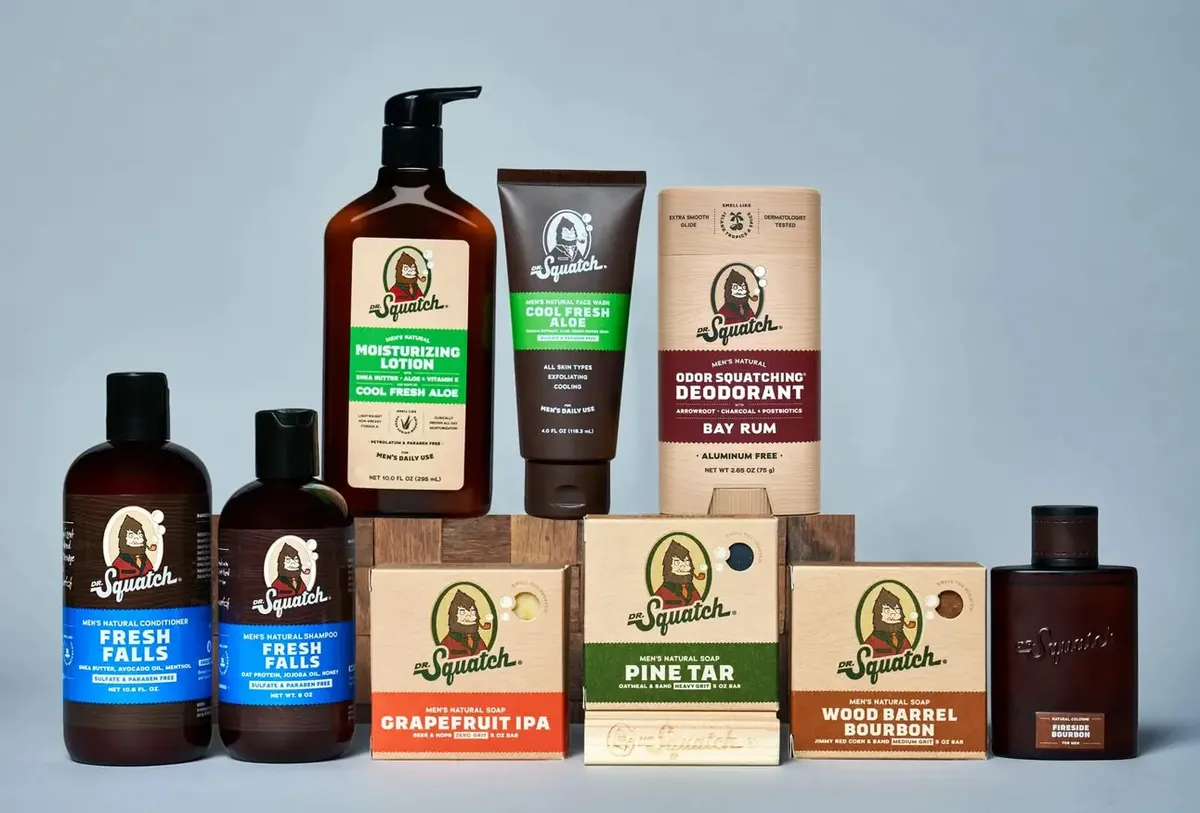
- Bar-soap format (more sustainable than liquid body-wash equivalents).
- Donated 11.9M+ soap bars per company reporting.
- Recycled 1.19+ kg of soap waste.
- 2023 revenue $200M+ peak per LinkedIn industry-pulse reporting.
- Clean for All Mankind initiative documents the impact metrics.
Green Beaver — broader personal-care range (covered in our previous brand-record piece).
- Cruelty-free, Canadian-manufactured.
- Vegan formulations across most product lines.
- Multiple sustainability and ethical-sourcing certifications per Ethical Elephant's review.
Salaaz hasn't audited either brand's full supply chain; published certifications are the source.
Bulk and farmer's-market sourcing
Beyond branded alternatives, the bulk-purchase channel (Bulk Barn, local refilleries, farmer's markets) routes around the multinational brand-portfolio question entirely. Per-unit pricing on bulk bar-soap and natural personal-care typically matches or beats supermarket-branded equivalents.
What follows
For adjacent reading, see our piece on the L'Oréal portfolio specifically, our Mondelez and Cadbury cocoa supply chain coverage, and our look at the broader confectionery-industry corporate record.