
Two large consumer-facing institutions where the daily spending decision routes revenue through documented corporate-record patterns: fast-food via Restaurant Brands International, and personal-banking via Canada's major banks.
Restaurant Brands International (RBI)
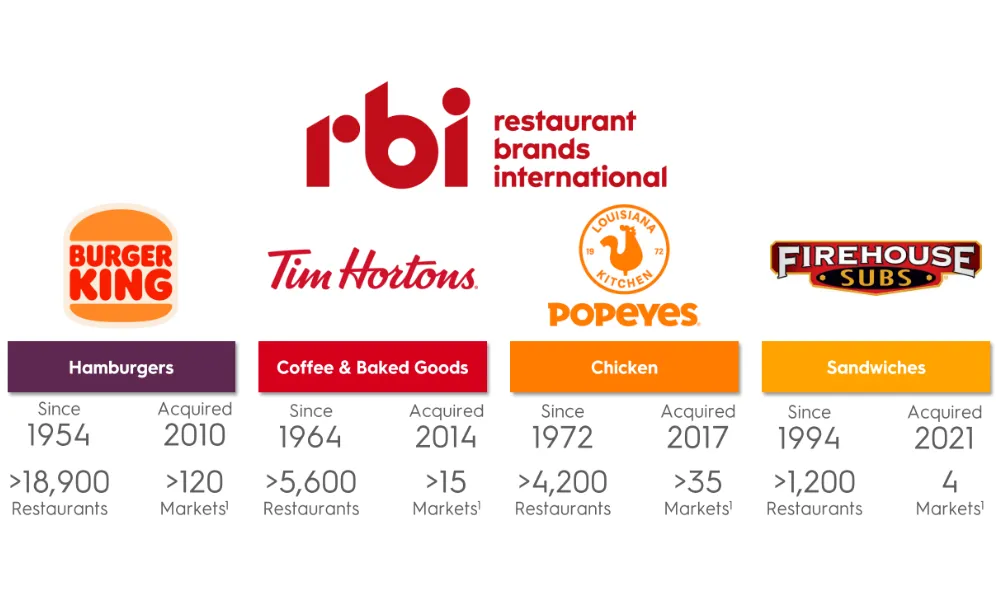
RBI is the Toronto-headquartered parent of Tim Hortons, Burger King, Popeyes, and Firehouse Subs. Two documented patterns at the corporate-record level:
- The October 2023 Burger King Israel social-media post. HNGN documented Burger King Israel's social-media post announcing free meals for IDF soldiers during the early Gaza conflict period. The post was subsequently removed, but the underlying franchise operations across 17 Israeli locations continued without parent-company comment.
- Selective stance pattern. RBI issued a corporate response to the Russia-Ukraine conflict, redirecting support from Russian operations. The company's silence on the Israel-Palestine question has been cited as inconsistent.
Financial trajectory per RBI's annual report: $5.7B (2021), $6.5B (2022), $7.0B (2023). The Q3 2023 segment for the Tim Hortons / Burger King category showed a 31.3% YoY decline ($530M → $364M) per Verdict Food Service — the consumer-response to documented patterns is measurable.
William's Fresh Café — Canadian quick-service alternative
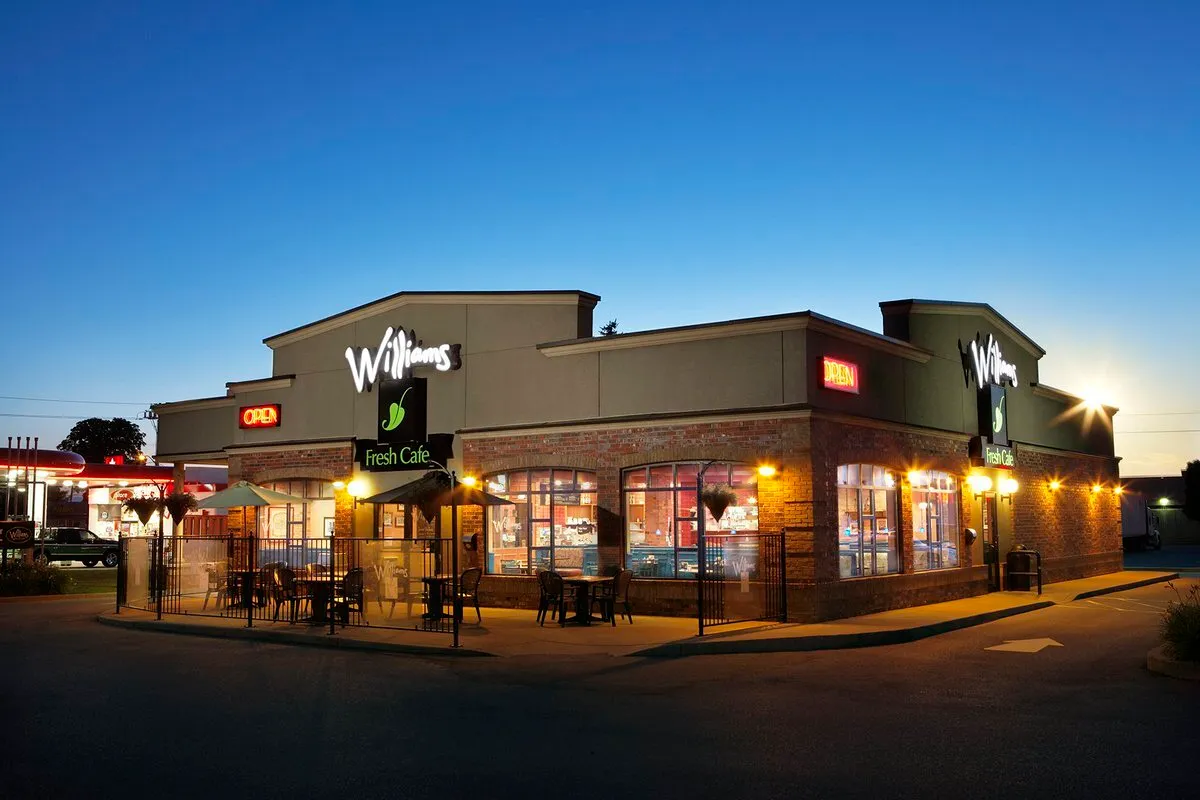
- Canadian franchise across multiple Ontario locations.
- Iced cappuccinos, seasonal coffee, breakfast, lunch.
- $11.9M revenue (2023) per Kona Equity data.
- Continuing expansion across the GTA.
Canadian banks — the investment-portfolio question
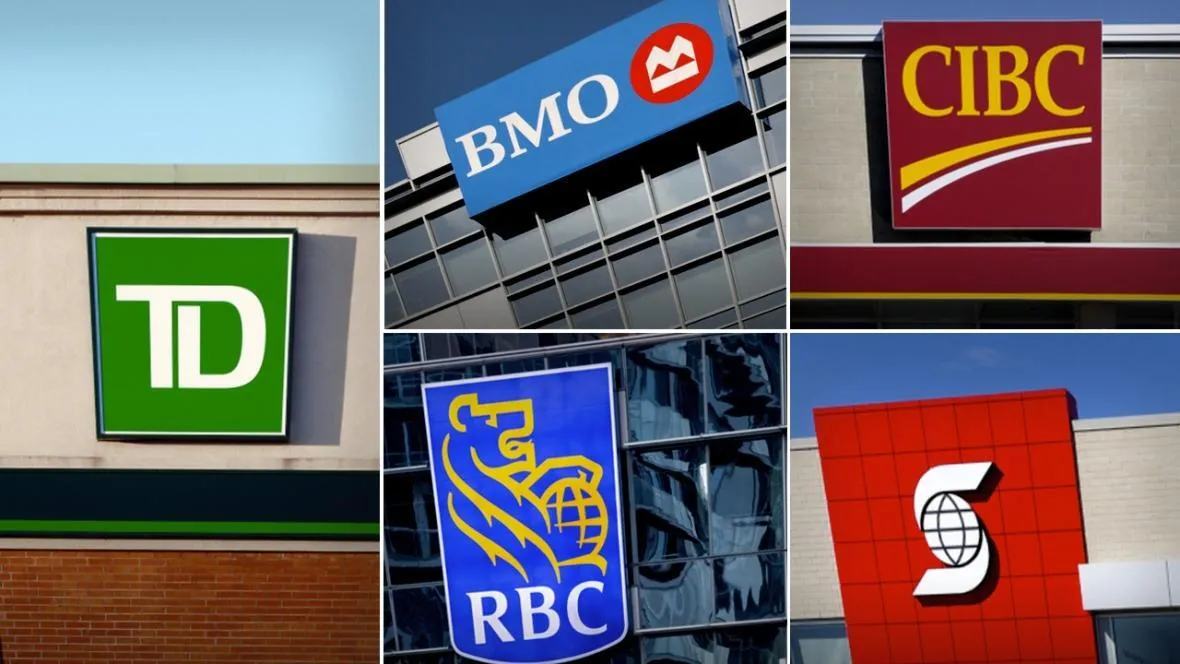
BankTrack and BDS Coalition Canada aggregations document the investment positions of Canada's major banks:
- Scotiabank. Approximately $500M USD invested in Elbit Systems (Israel's largest arms manufacturer).
- Bank of Montreal (BMO). Documented settlement-territory investments; $90M+ USD loan to Elbit Systems.
- CIBC. Promotes Israeli investment offerings; documented endorsement from Jewish National Fund leadership.
- HSBC. Major shareholder and loan-provider position with companies supplying weapons and military technology to Israel; documented settlement investments.
- Manulife. Settlement-territory investment position.
- Royal Bank of Canada (RBC). Approximately $57.7M USD in settlement investments and in Palantir Technologies (the AI-surveillance contractor with documented Israeli-military programmes).
- TD Bank. Approximately $16M USD invested in General Dynamics (Israeli weapons and aerospace operations).
The specific dollar amounts shift across reporting cycles; the broader pattern of institutional-investment exposure to Israeli arms-manufacturer and settlement operations has been consistent.
Credit unions — the structural alternative
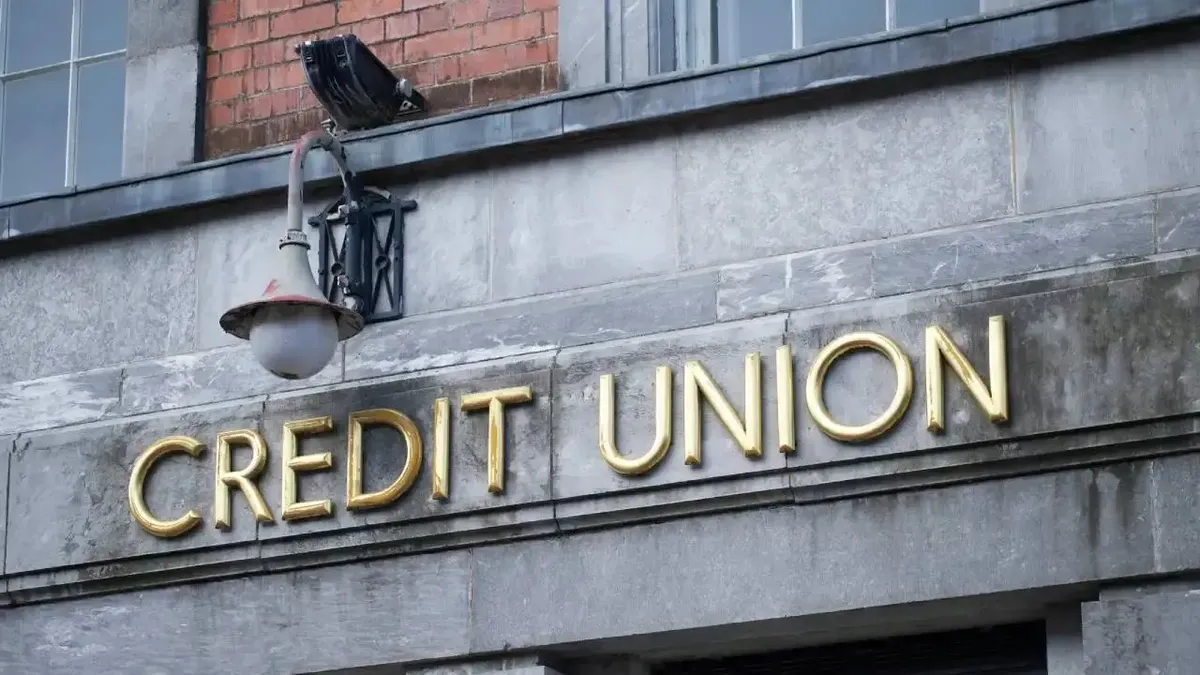
Credit unions are member-owned non-profit cooperatives operating under provincial regulatory frameworks. WinnipegFreePress' standing overview covers the structural differences from the major-bank model:
- Ownership. Members hold ownership stakes; no external shareholders.
- Surplus distribution. Returned to members via dividends or fee reduction.
- Investment policy. Set at the member-board level, often with explicit ethical-investment criteria.
2022 industry data: Canadian credit union assets exceed $302B excluding Quebec.
Three Ontario operators worth considering:
- Meridian — 85 branches; personal and business; fastest-growing.
- Alterna Savings — 46 branches; 110+ year operating history.
- FirstOntario — 30 branches; strong Visa product range.
The Quebec equivalent is Desjardins (the country's largest credit union, ~$400B in assets).
What follows
For adjacent reading, see our piece on RBI's parallel pattern in coffee and quick-service, our look at investment alternatives including QTrade and Interactive Brokers, and our piece on Canadian grocery-store ownership concentration.