
The Ben & Jerry's litigation against parent company Unilever is one of the more documented cases of subsidiary-versus-parent corporate dispute in recent retail history. The case maps an unusual structural conflict: a brand built on social-impact positioning held by a multinational with different commercial priorities.
The Ben & Jerry's case
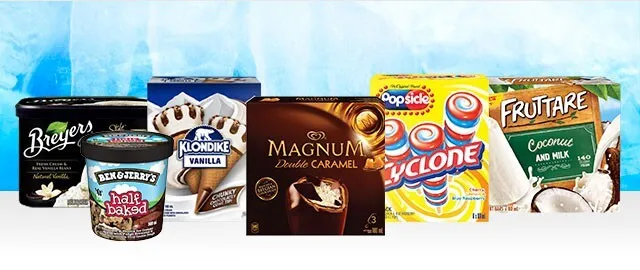
The sequence of events per NY Post and the underlying court filings:
- 2021. Ben & Jerry's announced it would withdraw product sales from Israeli-occupied West Bank territory, citing its long-standing social-impact positioning.
- 2022. Unilever restructured the Ben & Jerry's Israel operation, selling the local distribution to an Israeli licensee — effectively keeping Ben & Jerry's products on Israeli settlement-area shelves while removing the Ben & Jerry's brand control over the distribution.
- 2022 lawsuit. Ben & Jerry's sued Unilever and settled with a $5M payment directed to human-rights causes of Ben & Jerry's choosing.
- 2024 lawsuit. Ben & Jerry's filed a second lawsuit against Unilever alleging Unilever suppressed Ben & Jerry's public-facing positions on Gaza-ceasefire calls, Palestinian-refugee support, US-college campus protest support, and arms-embargo advocacy.
The pattern is structurally telling: the parent company's commercial preferences override the subsidiary's social-impact framework — even when the social-impact framework is the subsidiary's brand identity.
Chapman's Ice Cream — Canadian alternative
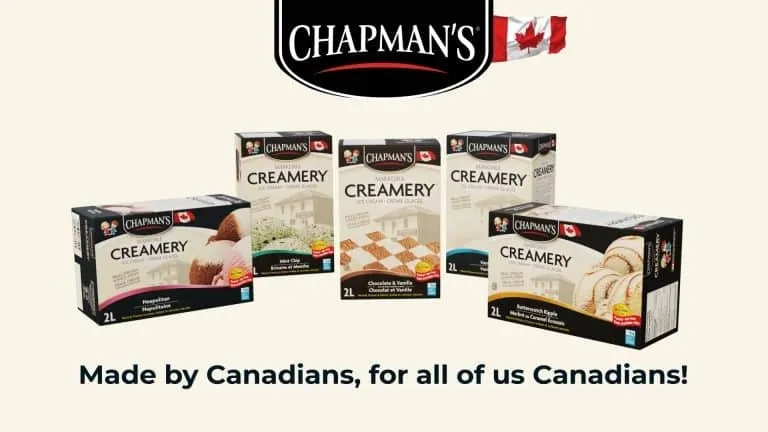
The Canadian operator and an unusual labour-record case:
- 2009 factory fire. Global News documented the Markdale, Ontario factory fire that completely destroyed the manufacturing facility. The owners contacted all 500+ employees personally and committed to continuous paycheques through the rebuild — not a single missed pay cycle.
- Canadian dairy sourcing. 100% Canadian dairy supply chain per company disclosure.
- Sustainability record. Multiple environmental-stewardship awards including renewable-energy and waste-reduction milestones.
- Community contribution. Over $4M donated to local schools, hospitals, and community infrastructure.
- Revenue. $332.2M (2024) per Rocket Reach.
- Distribution. 280+ flavours; nationwide grocery presence.
Banking and investments — the same map
The major-bank documented investment positions (covered in fuller form in our Canadian banks piece) — Scotiabank, BMO, CIBC, HSBC, Manulife, RBC, TD — extend to the brokerage and investment-account products the same banks operate. Investment accounts held with any of the Big Five route assets through the same institutional-investment framework that holds the documented Israeli-economy positions.
Two bank-independent investment alternatives
Interactive Brokers — global online brokerage.
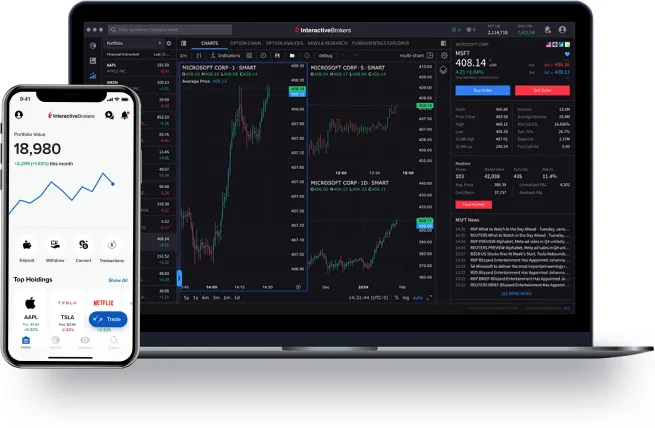
- 100% online brokerage operation; no Big-Five-bank ownership.
- No documented direct political-affiliation positions at the corporate level.
- 2024 revenue $8.62B USD per CompaniesMarketCap.
- Comprehensive educational programming via IBKR Campus.
- 8 broker awards in 2024 plus a deep set of historical industry-award recognition.
QTrade — credit-union-affiliated investment platform.
- Partner brokerage for 33+ Canadian credit unions including Meridian, Alterna, and FirstOntario.
- Supports ETFs, individual stocks, bonds, and fund products.
- In-branch investment-advisor consultation available through credit-union partner branches.
- Operates outside the Big Five bank investment-account framework.
What follows
For adjacent reading, see our Canadian banks piece for the institutional-investment specifics, our look at the Mars and Mondelez corporate records in confectionery, and our piece on the broader fast-food and quick-service category.