
Ramadan staple purchasing tends to surface specific supply-chain questions that don't come up the rest of the year — particularly around dates, and around the soft-drink category that consistently anchors iftar meals. The documented sourcing patterns are worth knowing about.
Dates — the market and the sourcing question
The 2024 global dates market was valued at approximately $31.03 billion USD per Fortune Business Insights' market research, with approximately 85.24% of supply sourced from the Middle East and Africa.
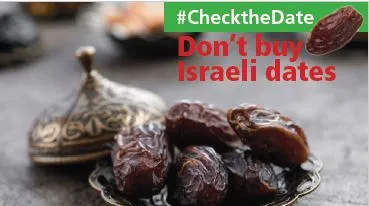
Haaretz documented in 2016 approximately 68 Israeli farms operating on Palestinian land classified by the Israeli legal system itself as confiscated, covering 370+ acres. These settlement-agriculture operations are estimated to produce over 40% of Israel's date exports, with the export value per the most recent Statista figure at over $223M USD annually.
Israel remains the leading global exporter of Medjool dates (the premium-segment variety most common in North American grocery channels). The US has imposed a ban on dates originating in Gaza while continuing to import Israeli dates — including dates labelled as "Palestinian Dates" by some Israeli operators using settlement-grown produce.
The labelling question is operational: front-of-pack country-of-origin claims on date packaging don't always reflect the actual cultivation geography, particularly for produce routed through Israeli-export channels. The comprehensive boycott reference list for verifiable Palestinian-origin sourcing is the documentation baseline.
Cold beverages — the parallel decision
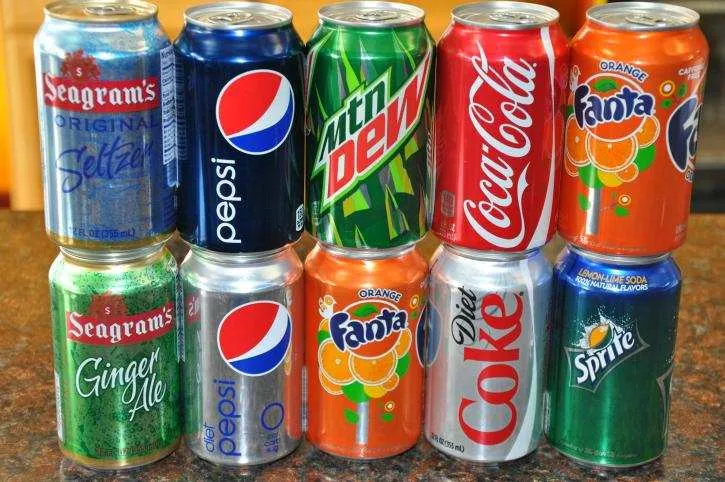
The iftar-meal beverage occasion routes substantial spend to the same Coca-Cola, PepsiCo, and Keurig Dr Pepper portfolios that hold 92.9% of US soft-drink market share (see our soda piece for the full corporate map). The documented corporate-record concerns don't pause for the holy month.
The global beverage market projection puts the 2025 category at approximately $276.44B USD per Statista. Among the alternatives:
- Rooh Afza — long-standing South Asian rose-and-herbal syrup; Pakistani Hamdard manufacture; widely available in South Asian grocery channels.
- Salaam Cola — UK-origin cola with stated commitment to Palestinian relief contributions per published company materials.
- Sparkling water lines — Western Family (Canadian-owned), La Croix, Bubly cover the carbonation occasion without the corporate-record question.
The witness.news boycott reference catalogues the broader category-by-category guidance.
What follows
The Ramadan emphasis on reflection and conscious consumption produces a natural alignment between the practice and the editorial-style supply-chain reading the rest of our work argues for. Reading the country-of-origin line and the parent-company line is the same practice in any month; it carries different weight when the conscious-consumption frame is foregrounded.
For adjacent reading, see our piece on wealth inequality and Ramadan structure, our Eid follow-up on Canadian political engagement, and our look at the broader soft-drink corporate landscape.