
Eid al-Fitr closes the Ramadan-month structure of fasting, charity, and reflection. The cultural emphasis on community and accountability sits naturally alongside the Canadian electoral cycle when the timing aligns — and in 2025, the timing aligned. This is the editorial position the original Salaaz Eid newsletter took at the time; the points hold.
The political-engagement framing
Canadian protest engagement around the Gaza conflict has been substantial through the 2024–2025 period:
- Toronto Al Quds Day rally — over 3,000 attendees documented by Toronto Star coverage.
- Ottawa Palestine rally (2024) — over 100,000 attendees per The Link documentation, described in the source reporting as the largest Pro-Palestinian rally in Canadian history.
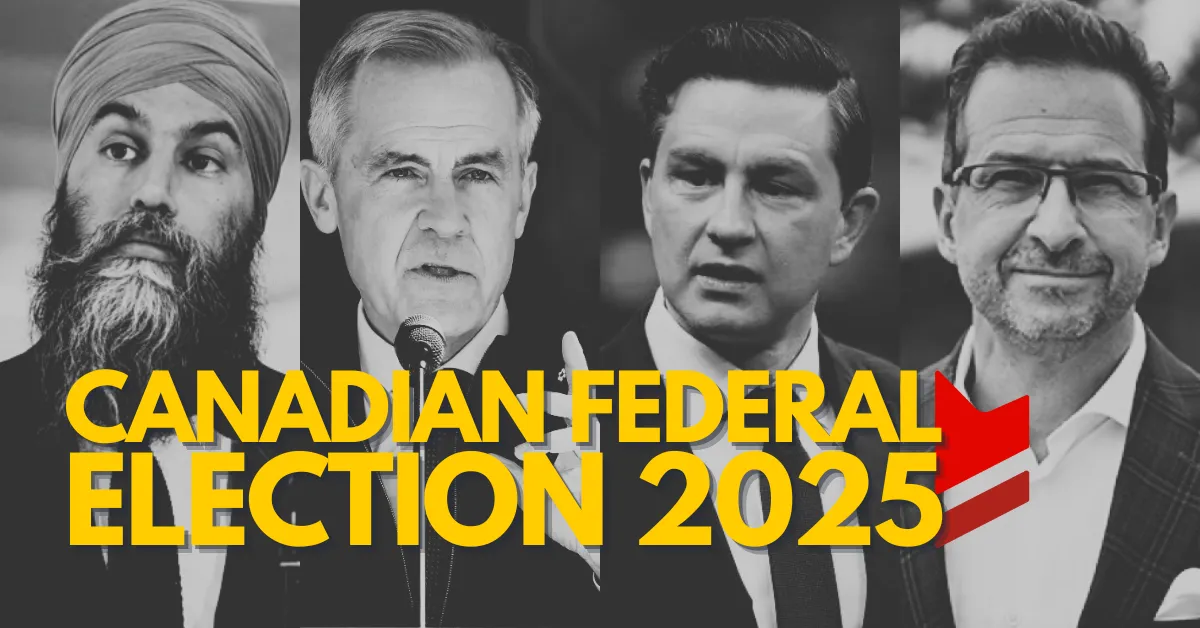
The April 28th 2025 Canadian federal election operated as a natural focal point: voters in ridings with substantial diaspora and progressive bases had documented engagement with candidates around arms-export, humanitarian-aid, and recognition-policy positions.
Three practical lever points
The infrastructure for citizen-side engagement has matured substantially across the past year:
- Riding-level MP outreach. VotePalestine.ca — postal-code-keyed tool that auto-routes a letter to local representatives at the federal level, requesting a documented stance on arms-export policy and humanitarian-aid response.
- Weekly protest networks by city. Toronto4Palestine, Mississauga4Palestine, Hamilton4Palestine, Ottawa4Palestine, Vancouver4Palestine, and equivalent regional networks operate via Instagram and Telegram broadcast channels for current schedules.
- Pledge networks at the constituency level. Several documented organisations operate pledge-collection mechanisms — voters formally commit a conditional vote to candidates meeting specific policy criteria. The accountability mechanism works regardless of which candidate ultimately wins.
The structural argument
The argument the rally numbers make isn't only emotional; it's procedural. The Canadian political system responds to demonstrated, sustained, geographically-distributed voter pressure. The diaspora population engaged on Gaza, Sudan, and other concurrent conflicts represents a measurable electoral bloc in multiple ridings.
The Eid framing fits naturally because zakat in Islamic practice is structural rather than discretionary — an obligation, not a charity. The political-engagement parallel is similar: not as optional addition, but as a citizenship obligation interpreted within the practice's own logic.
What follows
Beyond the Eid-specific moment, the operational tools remain: VotePalestine.ca's letter mechanism for any future federal cycle, the riding-level protest infrastructure, the documented organisations.
For adjacent reading, see our piece on weapons-industry economics and arms-export accountability, our Ramadan reflection on wealth-inequality structure, and our look at the labour-and-water economics of the AI industry whose contracts route through these same political moments.