

The New Year fitness-resolution cycle concentrates two consumer decisions: fitness-club membership selection, and workout-apparel purchasing. Both carry documented corporate-record and chemistry considerations.
Fitness studios — the franchise concentration
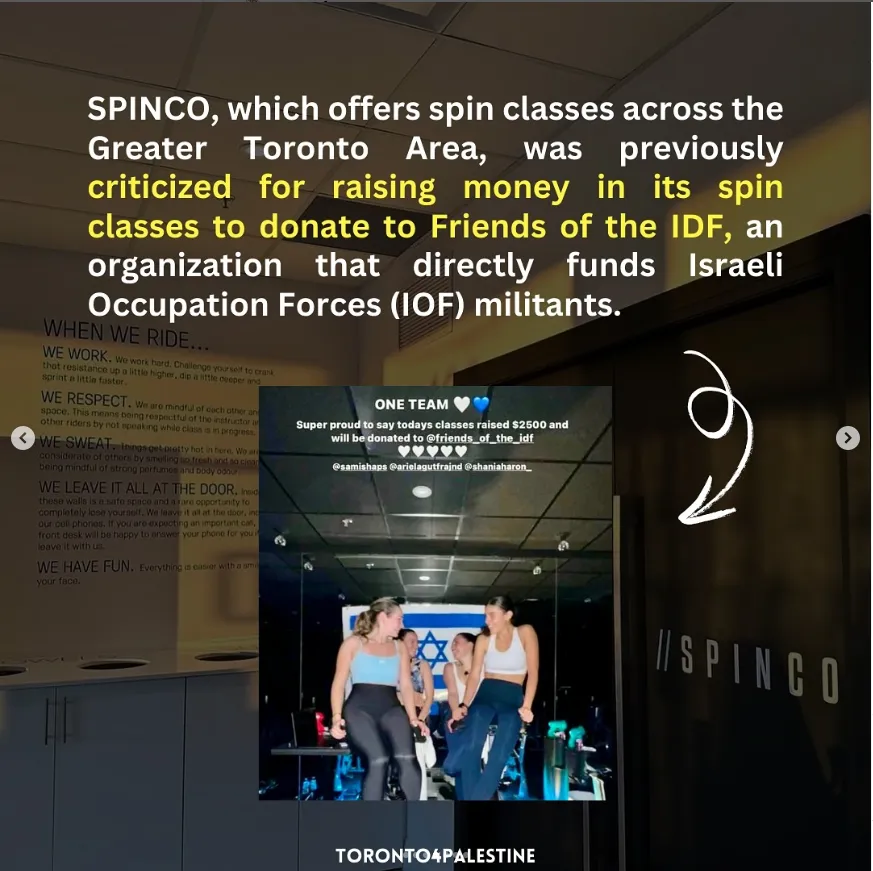
The franchise-model fitness studio category (F45, SpinCo, OrangeTheory, and similar instructor-led group-class operators) has grown substantially over the past decade. SpinCo specifically carries documented controversy patterns including labour-rights concerns and political affiliations.
SpinCo's scale: $4.7B CAD valuation, 29 locations across 6 Canadian provinces, $4.34M CAD revenue (2024) per Kona Equity.
GoodLife Fitness — Canadian alternative
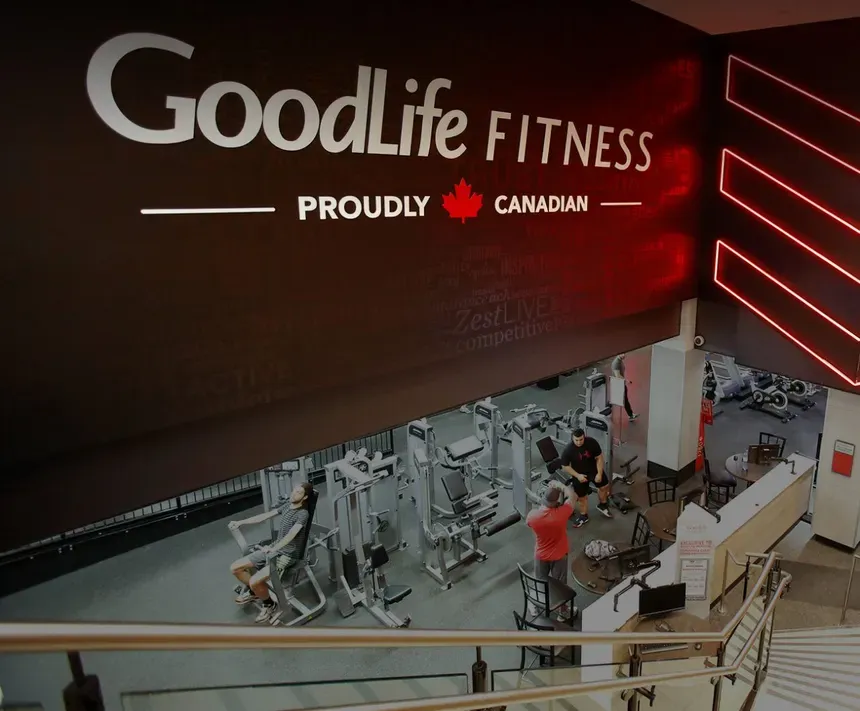
- Founded in London, Ontario, ~40 years operating history.
- 4th-largest fitness chain globally per Rocket Reach.
- 450+ international locations (2024).
- 2024 revenue ~$1.6B USD per Rocket Reach.
- 5,290+ employees globally.
- Politically-neutral corporate positioning across audit cycles.
- Supports 6+ Canadian NGO and research partners per company disclosure.
- Fit4Less sub-brand offering at $7.99 bi-weekly entry tier — substantially below the franchise-studio price point.
Clothing chemistry — what's against your skin
Two specific exposure categories worth knowing about for workout apparel specifically (sustained contact with skin during sweat conditions):
Azo dyes — 60–70% of textile and food dyeing globally.
- The EU Scientific Committee documented skin allergy and animal-model carcinogen patterns at standard textile-exposure levels.
- Benzidine-class azo dyes carry documented tumour-induction patterns per Journal of Environmental Science and Health, Part C.
- Occupational-cohort studies — textile dyers, leather workers, hairdressers — show elevated bladder-cancer risk at sustained exposure.
Microfibres — polyester, nylon, acrylic, spandex shed:
- Nylon and polyester microfibres show evidence of hindering lung-tissue recovery per Plastic Soup Foundation.
- 33% of household floating dust is microfibre per Earth.org's 2024 synthesis.
- Inhaled microfibres correlate with respiratory inflammation, asthma, bronchitis, and autoimmune-disease patterns per PlanetCare reference.
- Textile and clothing industry occupational cohorts show contribution to chronic lung disease per the documented research.
OEKO-TEX certification — the verification baseline
The internationally-recognised certification for textile-chemistry safety. What OEKO-TEX certifies:
- Dyes free from documented harmful chemical residues.
- Cotton and leather sourced under organic and audited-labour conditions.
- Coverage: 35,000+ partner companies and 53,119+ certified products globally.
Natural fibres (cotton, hemp, linen, wool, silk, leather) inherently sidestep the synthetic-microfibre and azo-dye concerns. The breathability for athletic use is also typically superior to synthetic equivalents.
The reusable-bottle / non-plastic-fibre framework covered in our microplastics piece applies here too. For workout apparel specifically, cotton-blend basics from operators like Kotn or Colourful Standard (covered in our fast-fashion piece) work at a comparable price point to brand-name athleisure with substantially better chemistry profile.
What follows
For adjacent reading, see our piece on the broader synthetic-textile economy, our look at spandex specifically and its recycling-line implications, and our piece on microplastic accumulation across consumer categories.