

Fast fashion is a $150.82 billion industry in 2024, with industry analyst projections at $184.96 billion by 2027. The cost structure that makes the price points possible isn't a mystery; it's published. A garment worker in the dominant production geographies is paid in the range of 19 cents per t-shirt sewn, against shift lengths that routinely run 12–14 hours, with documented wage deductions for production defects and absence of standard weekend rest.
The pattern, documented
The supply-side reality, summarised from published labour-rights reporting on the major sourcing geographies (Bangladesh, India, Vietnam, China):
- Per-piece compensation sits at single-digit cents on a finished garment.
- Workday length runs 12–16 hours under peak production windows, often without overtime premium.
- Output quotas of several hundred garments per worker per shift are standard.
- Wage penalty for missed quotas, defects, or unsanctioned breaks is documented across multiple country audits.
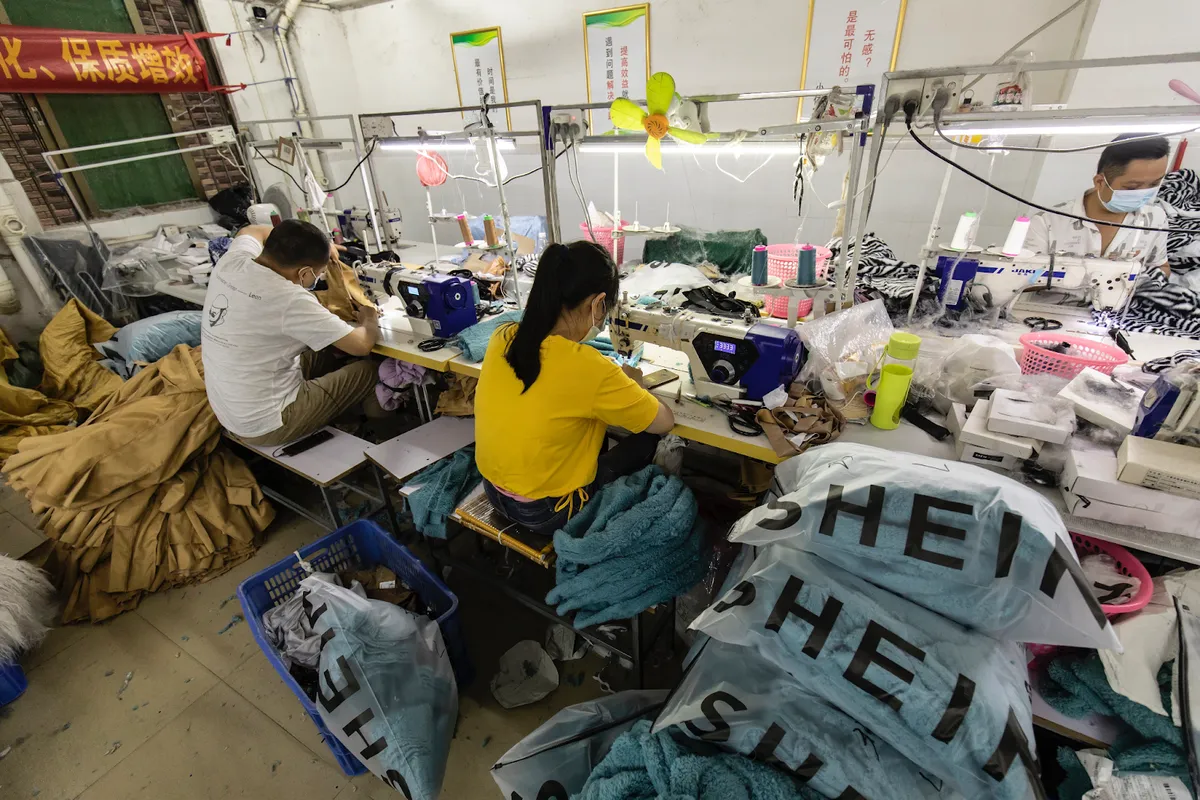
The Shein-specific scale gives the pattern a ceiling: Shein holds approximately 18% of global fast-fashion market share, the app peaked at 261.94 million downloads worldwide, and counts 46.9 million US-market visitors per recent traffic measurement. The market dominance is the demand signal that keeps the production pattern operating.

The alternatives are closer than they look
The framing that ethical apparel requires a price leap is incomplete. Three alternatives at comparable spend brackets:
Thrift (any local chain or independent — Goodwill, Value Village, Salvation Army, Buffalo Exchange, independent vintage stores)
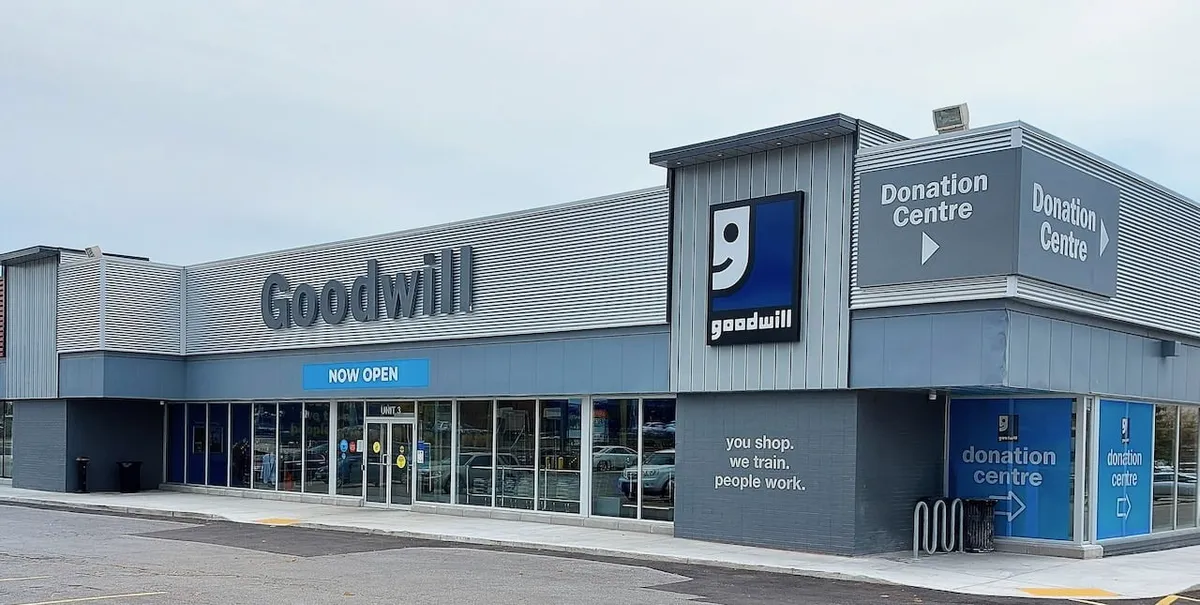
- Diverts textile from the landfill stream.
- No new sweatshop labour is contracted.
- Per-item cost comparable to or below fast-fashion equivalents.
- Money stays in the local economy.
Kotn (Egyptian cotton, B-Corp certified)
- Direct partnership with Egyptian farmers; wages and pricing disclosed.
- B-Corporation certified across labour, environmental, and governance criteria.
- Price range: $30–$60 for staples, comparable to mid-market fast-fashion equivalents.
Colourful Standard (Portugal-manufactured)
- 100% organic cotton or 100% recycled wool depending on the line.
- Portuguese factory partners with disclosed working conditions.
- Price range: $30–$70.
YesAnd
- Organic cotton with traceable farm-level origins.
- Regenerative and biodynamic agricultural practice on listed suppliers.
- Stated reforestation commitment per purchase.
Salaaz hasn't independently audited each brand's full supply chain; their published certifications and disclosures are the source. The point isn't that any one of them is unimpeachable — it's that the price gap to a Shein equivalent is smaller than the marketing claim of "luxury ethics" implies.
What follows
The price of a garment is partly the materials, partly the brand cachet, and partly what was paid to the person who sewed it. Reading the labour-cost component is the part of the price tag fast fashion is designed to obscure.
For adjacent reading, see our piece on the broader synthetic-textile economy, our look at the spandex blend that contaminates recycling, and our piece on the modest fashion sub-market and what it asks of brands.