
The pet-store window is the visible end of a longer supply chain. The Progressive Animal Welfare Society's standing reference puts approximately 90% of pet-store dogs as sourced from puppy mills — high-density commercial breeding operations with documented patterns shared across rodent, rabbit, and reptile commerce.
What the supply-chain end of the pipeline looks like
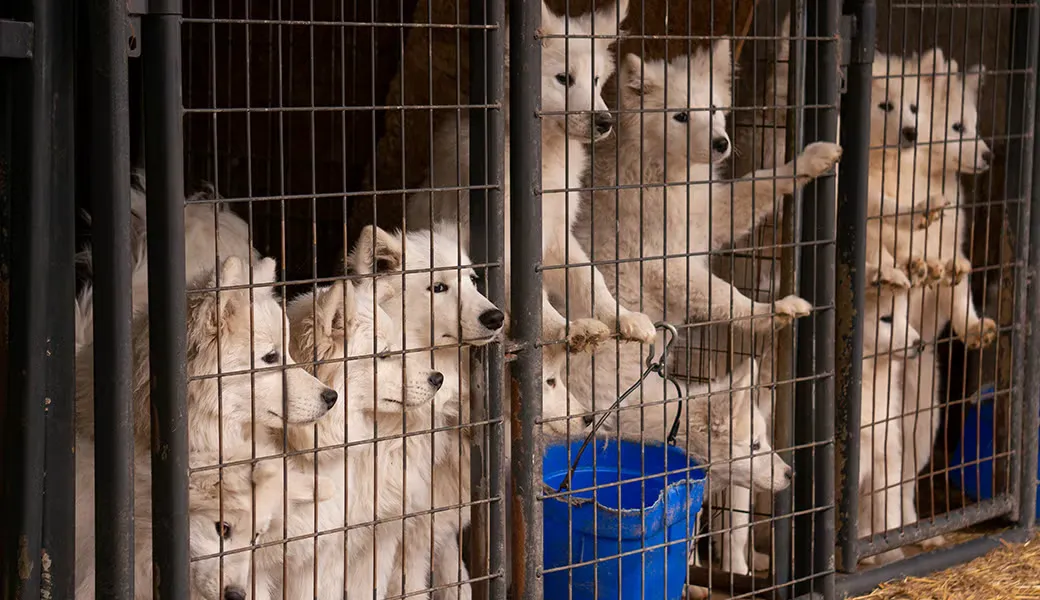
The documented conditions across audited puppy-mill operations:
- High-density stacked wire-cage housing.
- Breeding females cycled until reproductive exhaustion, often followed by destruction.
- Restricted veterinary care, food, and water provisioning.
- No socialisation or environmental enrichment.
Beyond the source-quality question, the designer-breed issue compounds: hybrid breeds bred for novelty traits (teacup sizes, extreme coat patterns, brachycephalic facial structures) carry documented genetic-health profiles. Torrance Animal Hospital's reference on teacup breeds documents the chronic-health implications of the size-selection breeding.
That said, the research base on companion animals' health benefits is solid. A 2019 International Journal of Environmental Research and Public Health review documented significant stress, anxiety, and blood-pressure reduction in companion-animal households across multiple measurement protocols. Companion animals are good for people. The question isn't whether to own a pet — it's where the pet comes from.
The shelter routing
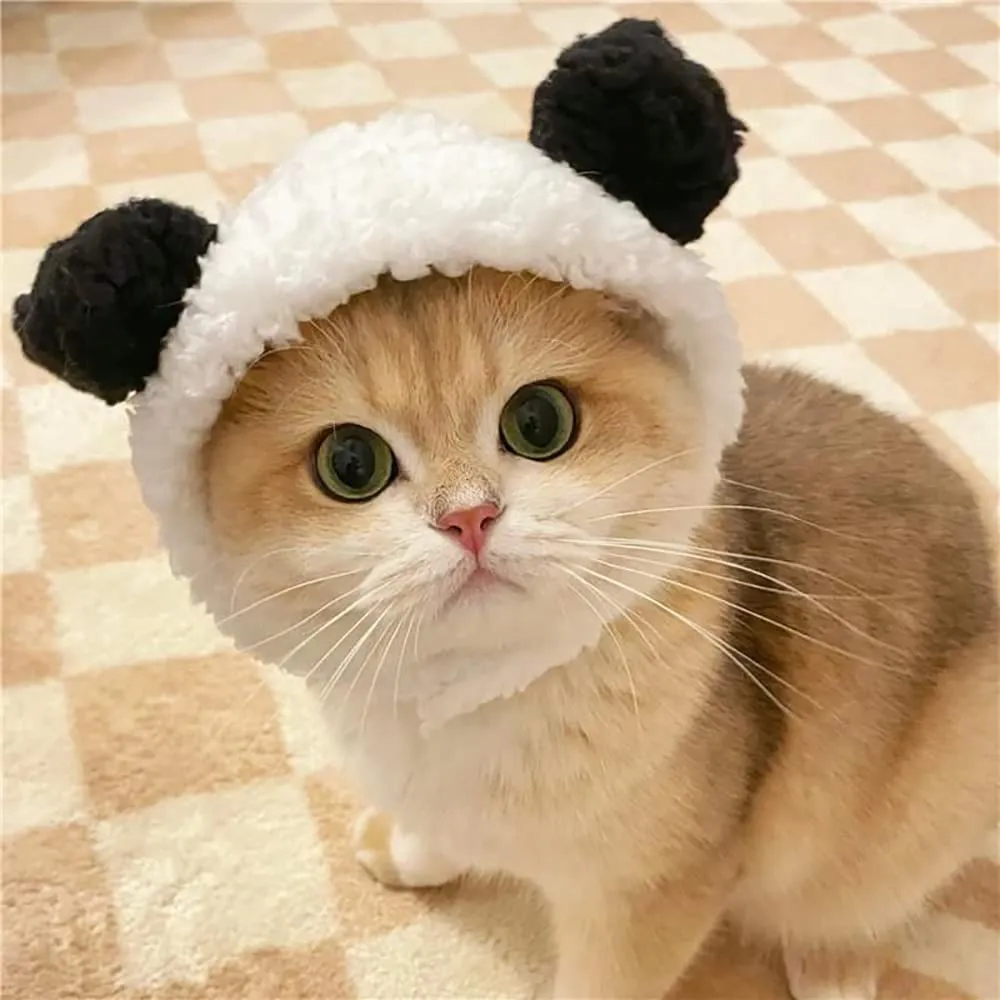
The most ethical sourcing path for a first pet: a local shelter or rescue. Every adoption is one less dog routed through the commercial pipeline. The Humane Society Canada, Toronto Humane Society, BC SPCA, and Toronto Animal Services maintain adoption listings; rescue-specific organisations exist for nearly every breed and species.
Pet food — the corporate map
Two multinationals dominate the pet-food category and both carry documented corporate-record issues.
Brands to be aware of:
- Mars, Inc. owns Pedigree, Royal Canin, Whiskas, IAMS, Cesar, Nutro, Temptations.
- Nestlé Purina owns Purina Pro Plan, Purina ONE, Friskies, Fancy Feast, Beneful, Alpo, Merrick.
Both Mars and Nestlé are named in the landmark 2021 US federal-court lawsuit on cocoa-supply-chain child labour. The lawsuit covers their human-food cocoa operations rather than pet food specifically, but the corporate ownership is shared.
Two Canadian alternatives:
FirstMate (Canada)
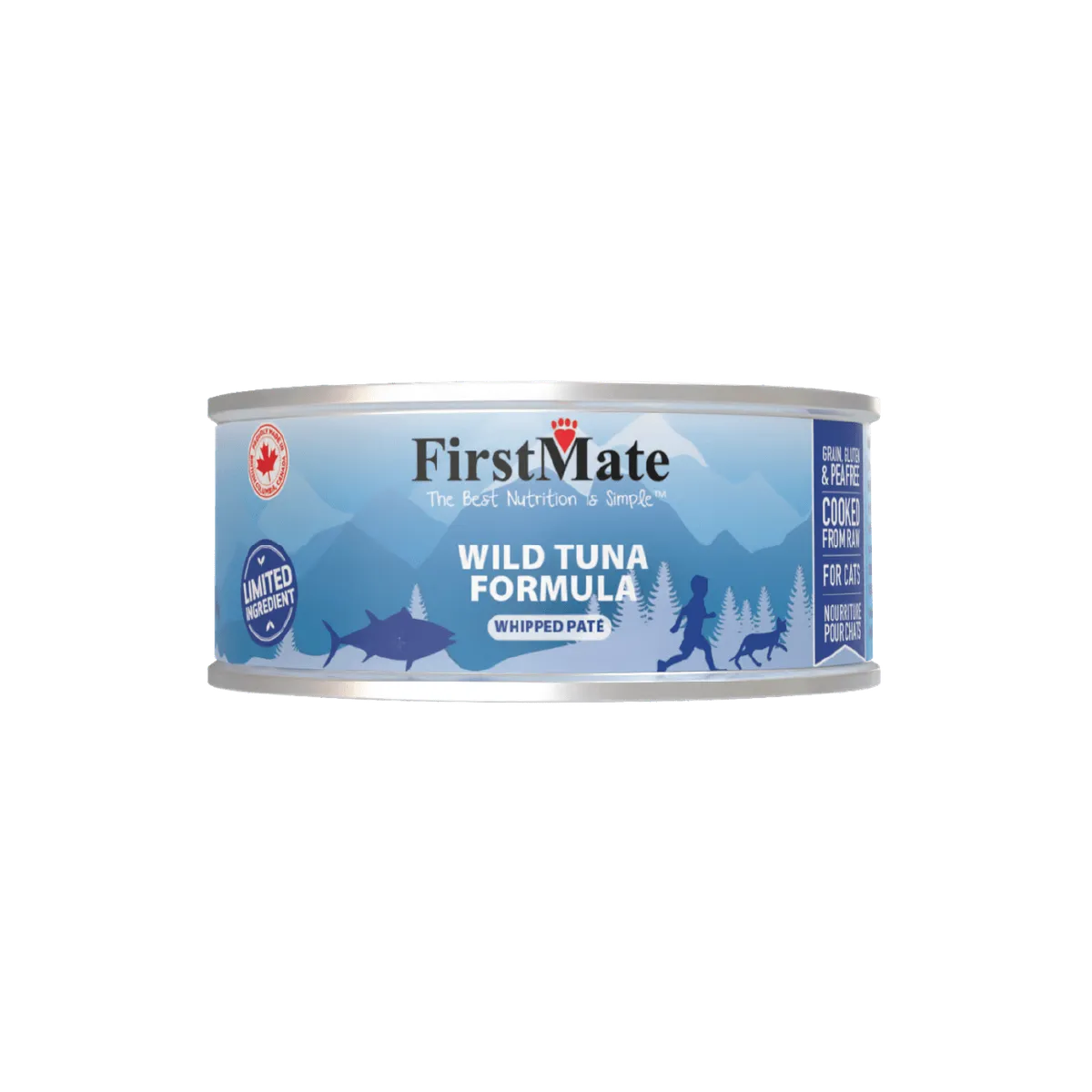
- Canadian-manufactured.
- GMO-free, locally-sourced ingredients on stated lines.
- Humanely-raised poultry, sustainably-caught fish supply chain.
- Direct corporate ownership of manufacturing.
Open Farm (Canada)
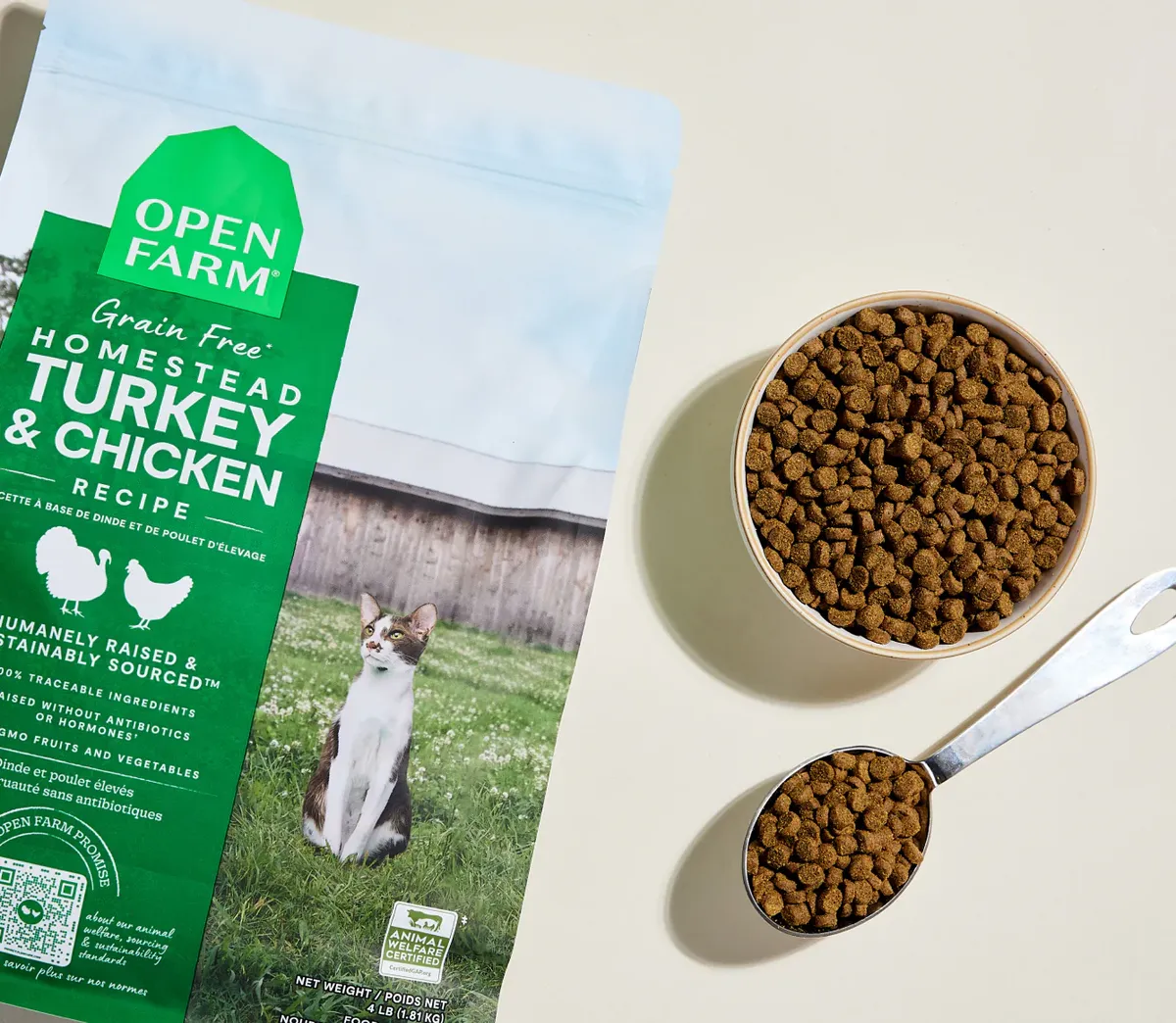
- Per-ingredient traceable sourcing with published partner-farm list.
- Grain-free options paired with non-GMO produce.
- Ethically-raised meat sourcing through audited partnerships.
Pet toys — durability and safety
Not all chew toys are equivalent on safety. Many cheap rubber and fabric toys carry chunking and ingestion risks. One operator with consistent durability scoring across veterinary review boards:
Kong — rubber chew and treat-dispenser line.
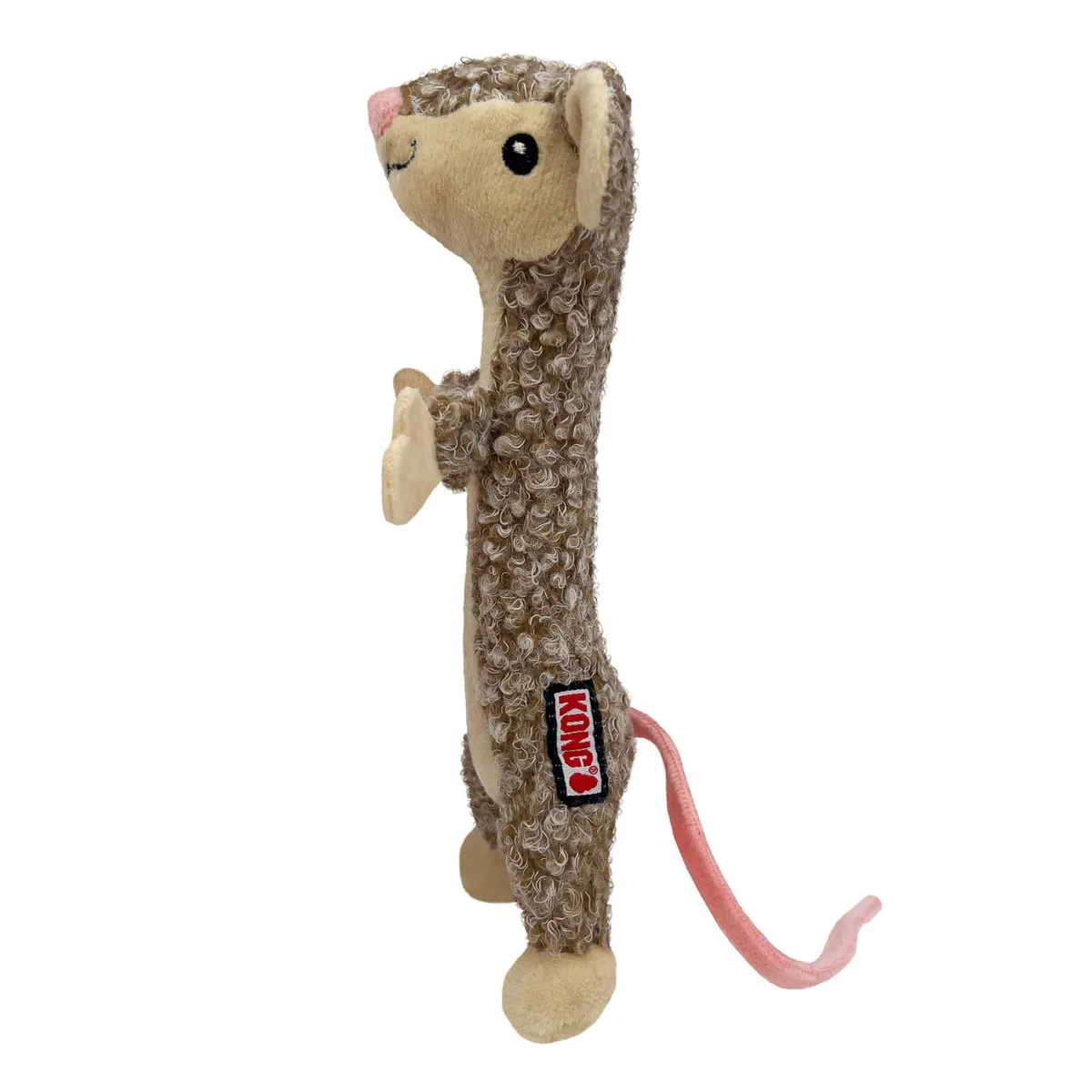
- Classic rubber chew toy and treat-stuffable variants.
- Durable under heavy chewing; multi-year lifespan typical.
- Veterinary-recommended for behavioural enrichment.
Salaaz hasn't independently audited any of these brands; their published certifications and product specifications are the source.
For adjacent reading, see our piece on Nestlé's broader corporate record, our look at pet food parents in the broader processed-food supply chain, and our piece on plastic and microplastic in household products.