
Economic boycotts have a constitutionally-recognised role in US political tradition — the 1955 Montgomery Bus Boycott is one of the foundational cases. The recent regulatory and executive-action posture toward the Boycott, Divestment, and Sanctions (BDS) movement directed at Israel sits in tension with that tradition. The pattern is documented across three dimensions.
State-level legislative restriction
Newsweek documented in 2024 that over 30 US states had passed anti-BDS legislation prohibiting state agencies from contracting with companies or organisations engaged in Israel-directed boycotts. The constitutional status of these laws is contested — multiple federal court challenges have produced conflicting outcomes — but their operational effect is to restrict state-level contractor access for boycott-engaged entities.
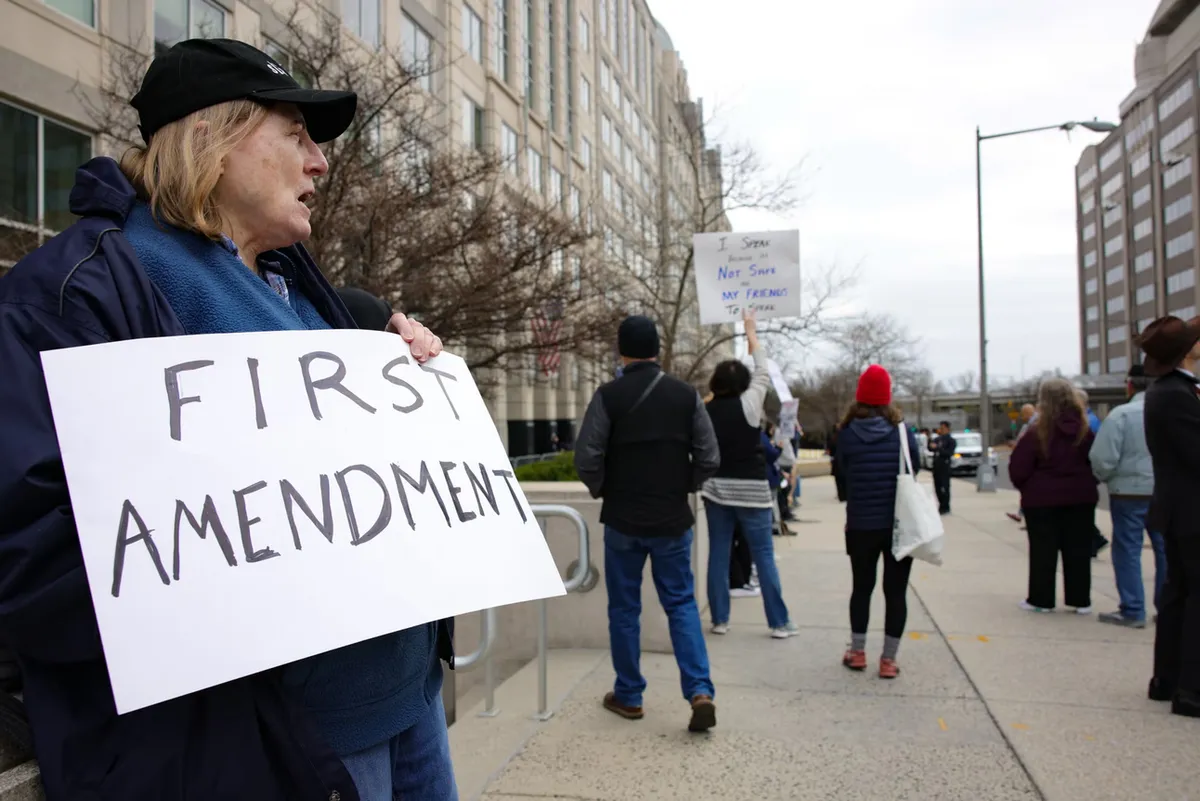
The conceptual question the laws raise: if a boycott is a constitutionally-protected form of political speech, can a state apply economic penalty to that speech in its contractor relationships? The Supreme Court has not yet ruled definitively; lower-court decisions remain split.
Campus federal-funding actions
The Trump administration's 2025 executive actions against US universities have specifically targeted institutions where pro-Palestine campus activism has been most visible. The Verge's coverage documented Columbia and Harvard losing federal funding under accusations of permitting "illegal protests" — the federal-funding lever applied to university first-amendment posture.
The first-amendment analysis here is non-trivial: the federal government can attach conditions to federal funding, but conditions that operate as content-based restrictions on speech have repeatedly been struck down in court.
ICE enforcement and the social-media surveillance question
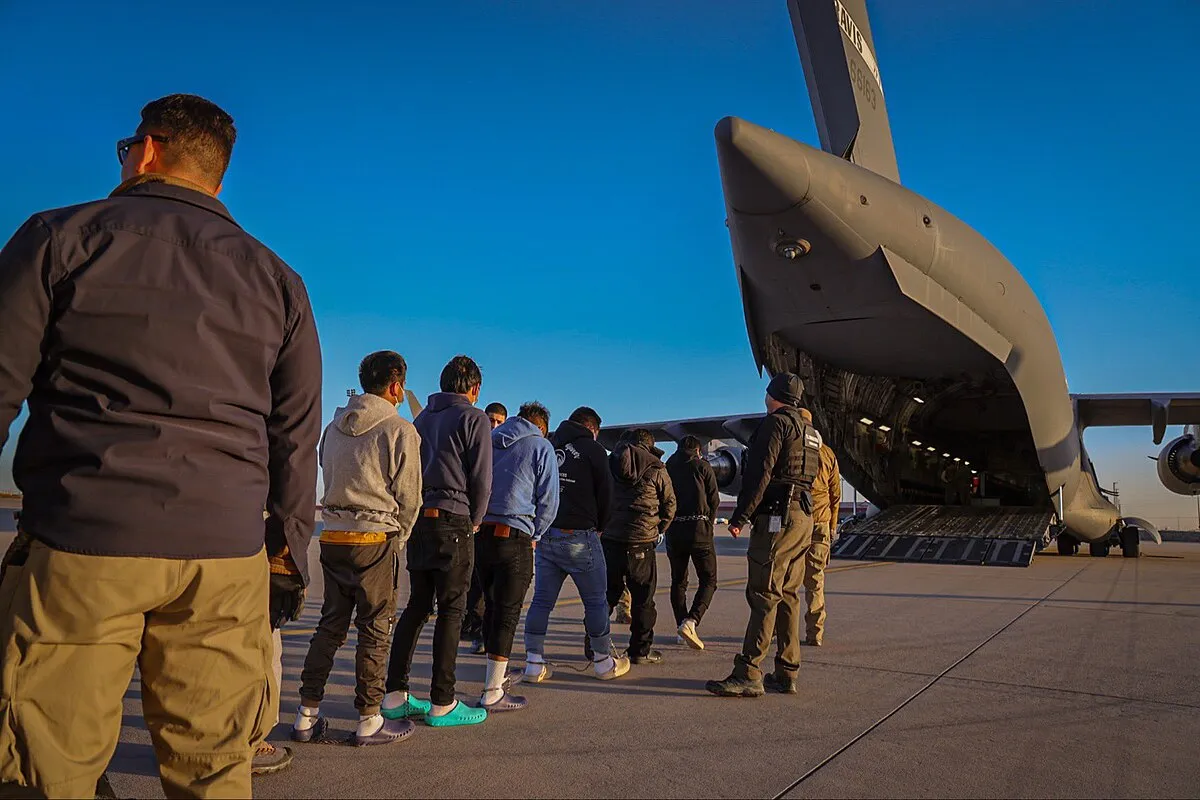
The Guardian documented in 2025 that ICE has arrested and deported students based on social-media posts expressing pro-Palestinian positions. The pattern raises a specific civil-liberties question: visa-conditional residence has always been more legally precarious than citizenship, but enforcement triggered by political speech specifically tests the boundary.
The New York Post reported in April 2025 that at least 36 international students and recent graduates from California universities — including Stanford and UC system schools — had their visas cancelled under stated national-security framing tied to campus protest activity.
The broader 2025 deportation acceleration covers a substantial pool of Indian-national and Latin American migrants — 28,319+ removals in the first months of 2025, per the Wikipedia compilation of agency data. The protest-related cases are a subset of the broader enforcement posture.
Practical positions for engaged citizens
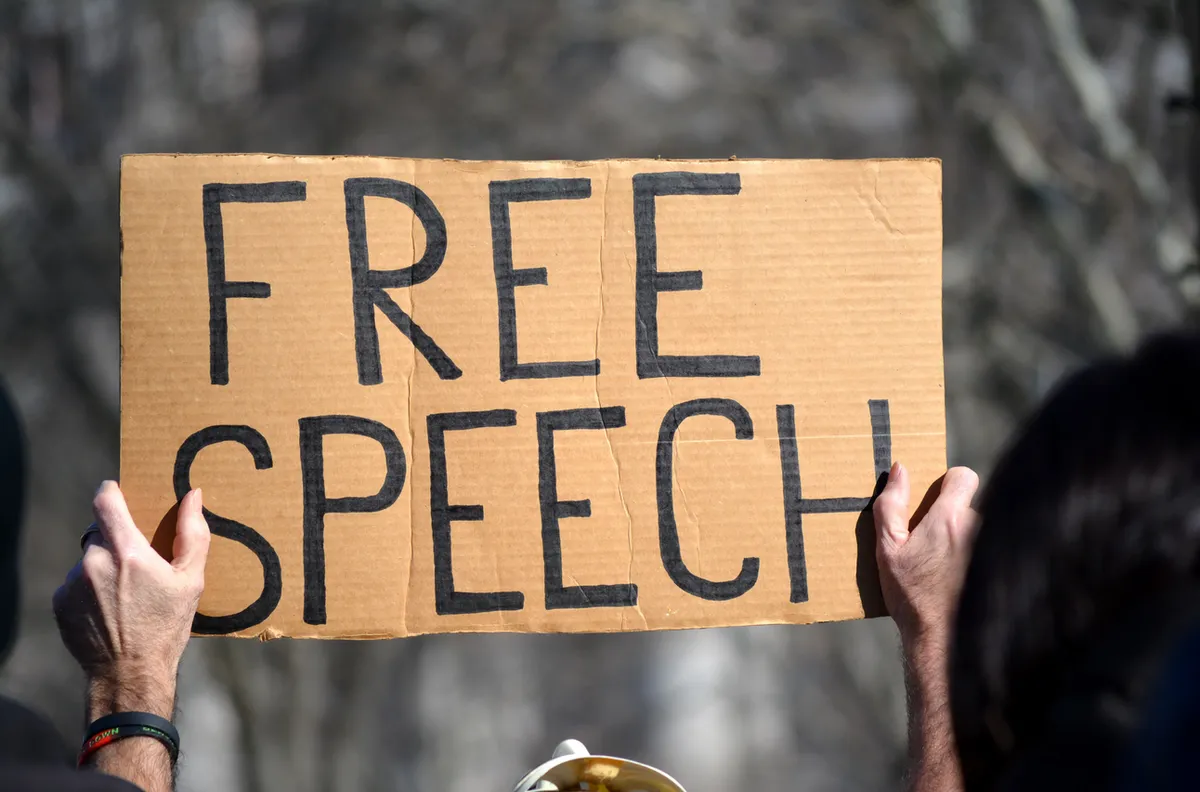
Three practical positions that operate within the documented constitutional protections:
- Know-your-rights resources. ACLU, CAIR, and Council on American-Islamic Relations all publish current-period guides on first-amendment protection and constitutional limits on enforcement.
- Coalition building. Cross-movement alliances increase the political cost of restrictive legislation. Civil-liberties organisations (ACLU, NAACP, Knight First Amendment Institute) have litigated several of the anti-BDS statutes on first-amendment grounds.
- Accountability mechanisms. Federal-representative contact tools (5Calls, ResistBot, VotePalestine.ca for Canadian readers) route citizen pressure to elected officials with documented impact data.
What follows
The pattern of restriction is documented and substantial. The constitutional analysis is in flux. The civic-engagement infrastructure that operates within the existing legal protections is functional and well-supported.
For adjacent reading, see our piece on Canadian electoral engagement during the same period, our Eid framing of the political-engagement question, and our look at Project Nimbus and the corporate-contract layer.