
Three Canadian country-of-origin labels are commonly used on grocery and consumer products. They look similar on the front of pack. The Canadian Food Inspection Agency definitions tell three different stories.
The three labels, formally defined
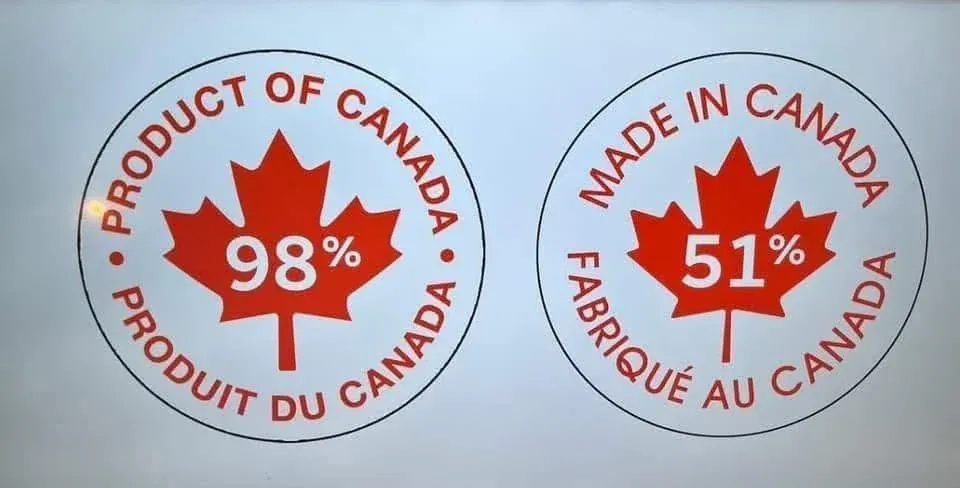
Product of Canada — the strongest claim.
- Approximately 98%+ Canadian-origin content by ingredient and processing.
- Non-Canadian ingredients limited to ~2% of total product mass.
- Labour and processing also required to be Canadian.
Made in Canada — middle tier.
- The last substantial transformation occurred in Canada.
- At least 51% of direct production cost (labour + materials) was incurred in Canada.
- Imported ingredients are common and permitted.
Prepared in Canada — lowest threshold.
- The product was assembled, mixed, baked, or processed in Canada.
- No Canadian-content threshold required for ingredients.
- Ingredients may be sourced entirely internationally.
The differential matters: the marketing emphasis on the Canadian connection on a "Prepared in Canada" product can be substantively misleading if the buyer assumes Canadian content beyond the processing step.
Regional certifications that carry more specific information
For provincial-level sourcing, regional certifications exist that operate on more transparent thresholds:
- Aliments du Québec — minimum 85% Quebec content.
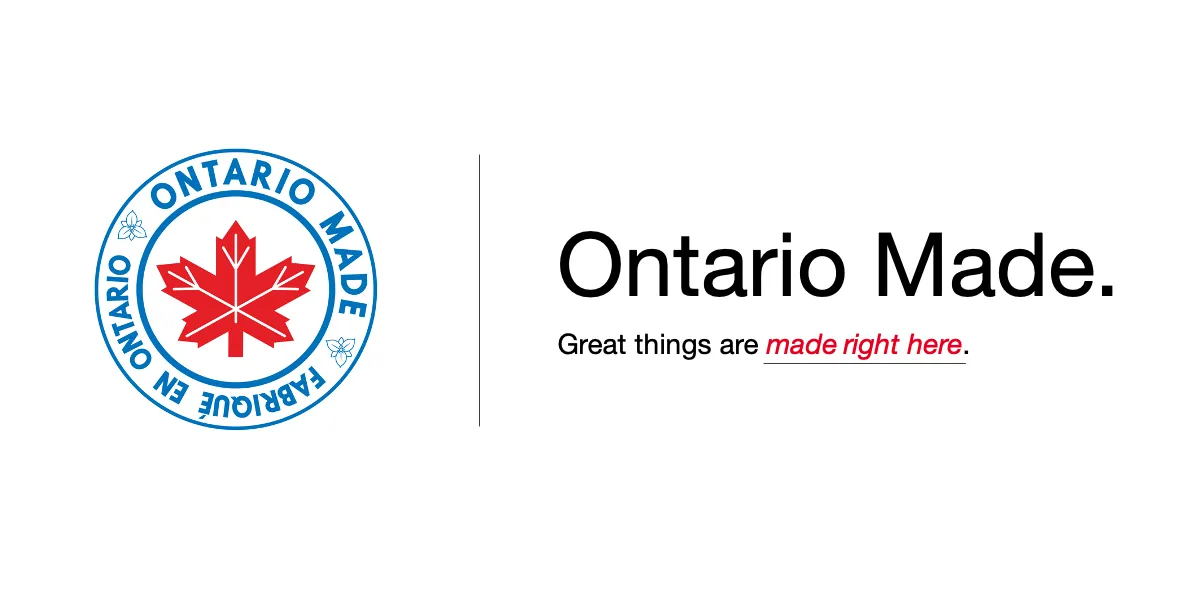
- Ontario Made — Ontario-manufactured certification.
- Buy BC — British Columbia-grown, raised, or processed.
These are administered by regional industry associations and typically published criteria that the certifier audits per applicant.
Two apps that close the verification gap
Toronto CityNews documented two apps operating in the Canadian-product-verification space:
- BuyBeaver — barcode scanner with manufacturer-origin lookup.
- Made in CA — directory listing of Canadian brands by category.
Both apps reduce the front-of-pack interpretation overhead at the point of purchase.
The "maple washing" pattern
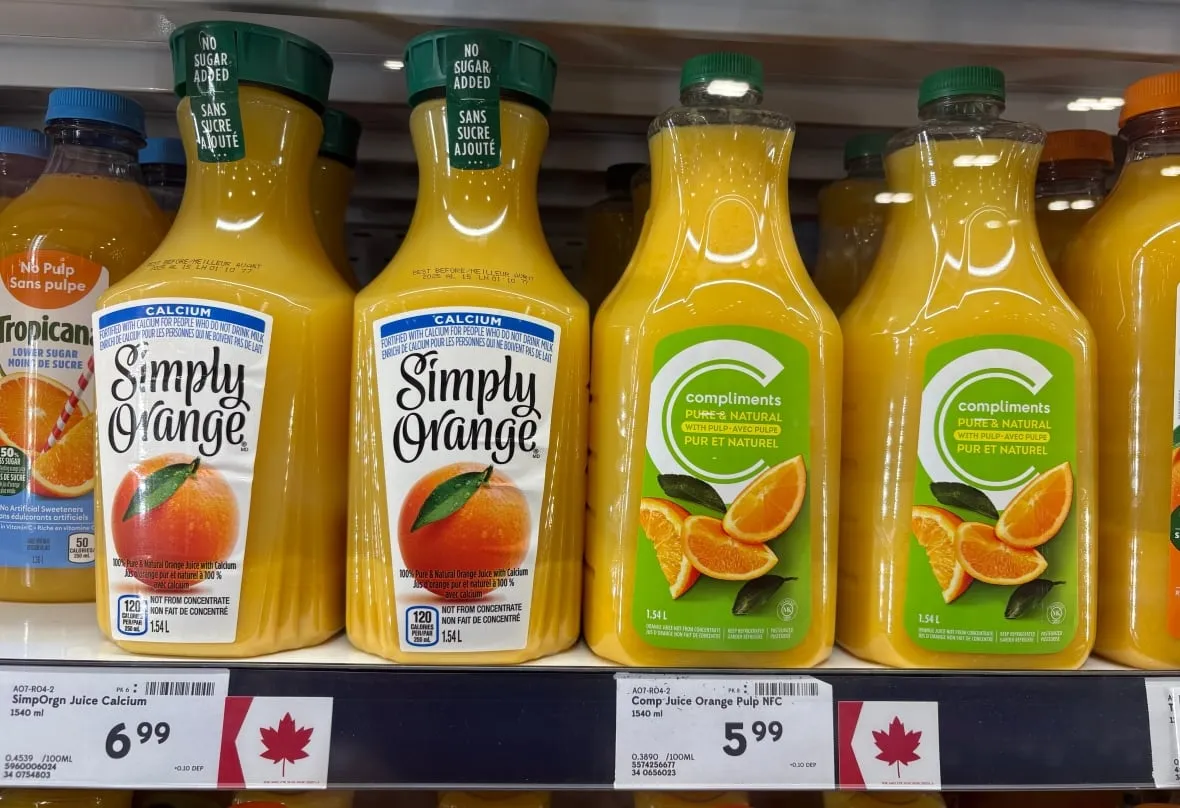
The marketing imitation of Canadian-origin signals without the underlying compliance has accumulated documented cases:
- Mislabelled imports. News.com.au reported supermarket investigations finding US products labelled as Canadian — including a "Product of Morocco" label found to be of US origin upon investigation. The same pattern is documented for Israeli products labelled as "Made in Morocco" or "Product of California" to route around boycott-aware purchasing.
- The "Prepared in Canada" abuse. Products with substantially no Canadian content but final-step processing in a Canadian facility legally claim Canadian connection. The legal compliance is real; the consumer perception about Canadian sourcing is wrong.
- Shelf-marker inconsistency. The Coast documented shelf-level maple-leaf marker inconsistencies — Kicking Horse Coffee (originally BC, sold to Italian ownership in 2017) marked Canadian at Sobeys, while Newfoundland-based Jumping Bean Coffee was not. The retailer signage doesn't always track ownership accurately.
What follows
The structural answer to maple-washing is regulatory. CFIA standards are clear; enforcement of compliance and shelf-marker accuracy is partial.
The consumer-side answer is to:
- Read the exact label phrase (Product / Made / Prepared) — they're not interchangeable.
- Look for provincial certifications when available — they tend to be more specific than the federal labels.
- Use the verification apps at point of purchase when the label is ambiguous.
- Buy at farmer's markets and independent grocers when convenient — the supply chain is shorter and the origin question is usually answerable directly.
For adjacent reading, see our piece on the broader greenwashing label-engineering pattern, our look at organic certification and the dirty-dozen produce pattern, and our piece on grocery-store ownership concentration.