

A bottle of water at the grocery store is one of the more interesting consumer-product cases — high markup, undifferentiated commodity input, marketing built on a quality claim the chemistry doesn't substantiate. The documented record across the major operators tells a consistent story.
The corporate-water economics
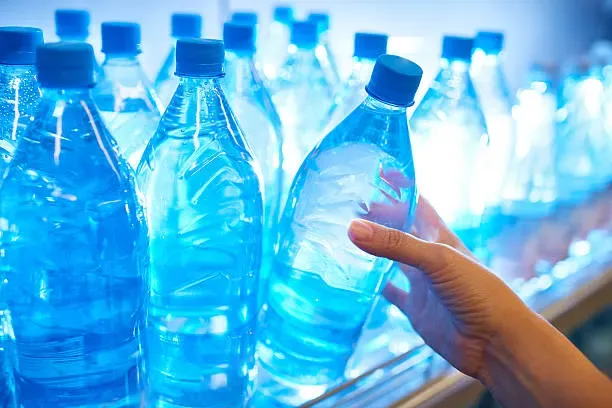
The unit economics tell the story:
- Ontario extraction. Companies extract over 6.3 million litres daily from Ontario aquifers — approximately 2.3B litres annually. Per the same source, the extraction fee is $503.71 per million litres — approximately $0.0125 per bottle in raw-water cost.
- UK extraction. The Guardian documented foreign-owned operators extracting over 1.59B litres annually from UK aquifers from a single company.
- Nestlé water-division revenue. Nestlé's 2023 full-year results report CHF 3.32B ($5.21B CAD) revenue from the water division at 10.6% profit margin.
The high-margin, low-input-cost structure of bottled water is the financial engine that funds the marketing claims.
What's actually in the bottles
- Poland Spring. A 2024 Reuters report documents the ongoing litigation alleging "not one drop" of the 1 billion gallons sold annually came from a natural spring. The case proceeded past dismissal; the spring-water classification is being formally tested.
- Dasani and Aquafina (Coca-Cola and PepsiCo respectively). Consumer Reports documented bottling operations in Detroit, Michigan drawing from municipal tap-water supply during a period when thousands of Detroit residents had their water shut off for unpaid bills under $150 each. The brands then sold the bottled tap water back into the same market at multi-hundred-percent markup.
- Fiji Water. Owns the majority of fresh-water rights on the Fijian islands while approximately 12% of the Fijian population lacks access to clean drinking water (covered in fuller form in our water-inequality piece).
What the chemistry actually contains
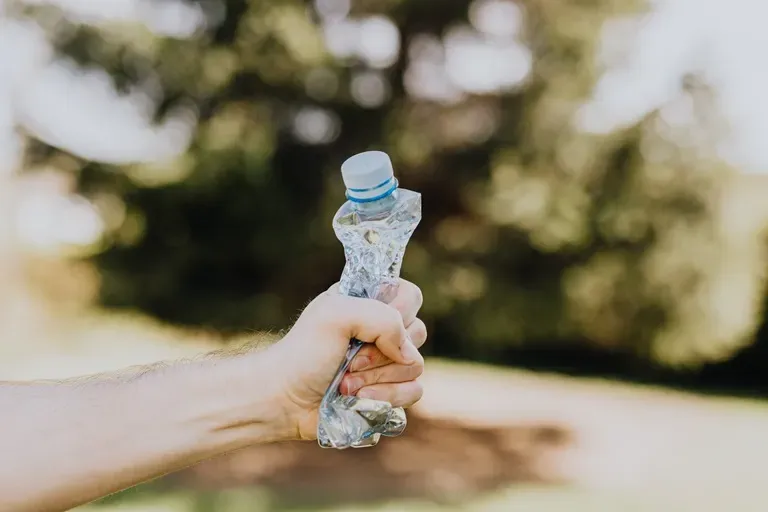
A 2024 PNAS paper documented bottled water containing approximately 240,000 plastic fragments per litre using improved detection methods — approximately 100× the previous estimates. The figures cover both microplastics (>1µm) and nanoplastics (smaller).
The health-correlation research is still accumulating, but a 2024 NEJM paper documented microplastics and nanoplastics in carotid artery plaque correlating with elevated cardiovascular-event risk in the studied cohort.
The environmental cost adds up:
- BMJ Global Health's 2024 review puts bottled water at the second-most prevalent ocean pollutant globally — 11.9% of all plastic waste — with only 9% of bottles entering recycling streams.
- US PET bottle manufacturing alone consumes ~17M barrels of oil annually and generates ~2.5M tons of CO₂.
What follows
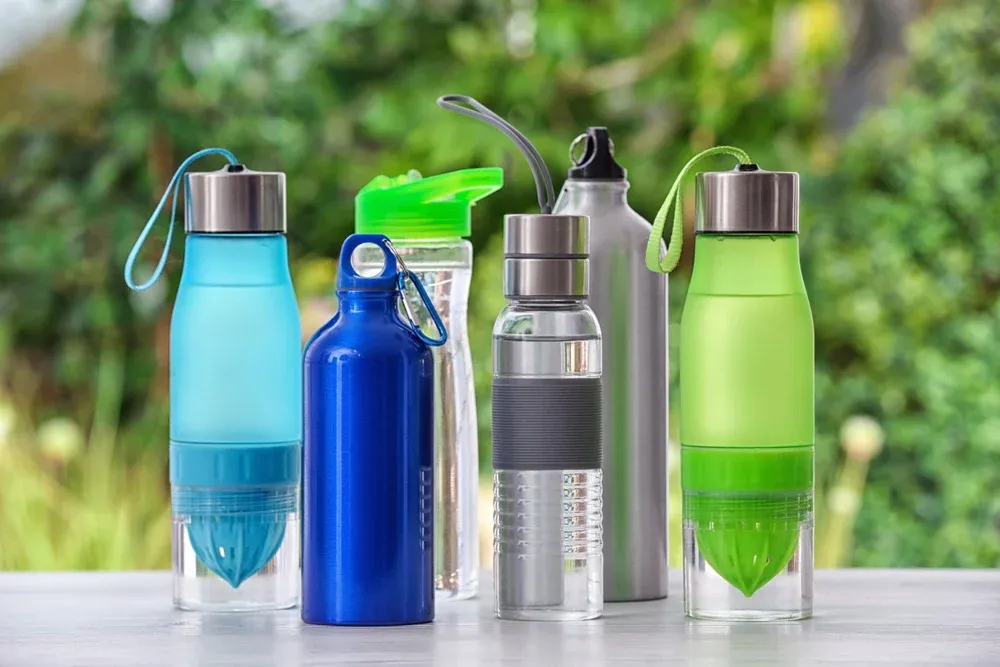
The structural answer is unromantic: a stainless-steel reusable bottle and filtered tap water bypasses essentially all of the documented concerns. The cost-per-litre on tap water is approximately $0.0003 — about 40× cheaper than the extraction cost the bottled-water operators pay at the source.
Where bottled water is unavoidable (travel, emergencies), recycling — not landfilling — the bottle keeps it out of the ocean-waste stream.
For adjacent reading, see our broader water-inequality piece including the Fiji Water case in detail, our piece on microplastic exposure across consumer categories, and our look at Nestlé's broader corporate record.