
The fast-fashion category's environmental and labour footprint is documented across multiple official-source data sets. The figures below come from European Parliament research, Earth.org synthesis, Oxfam reporting, and named-operator coverage.
Environmental impact
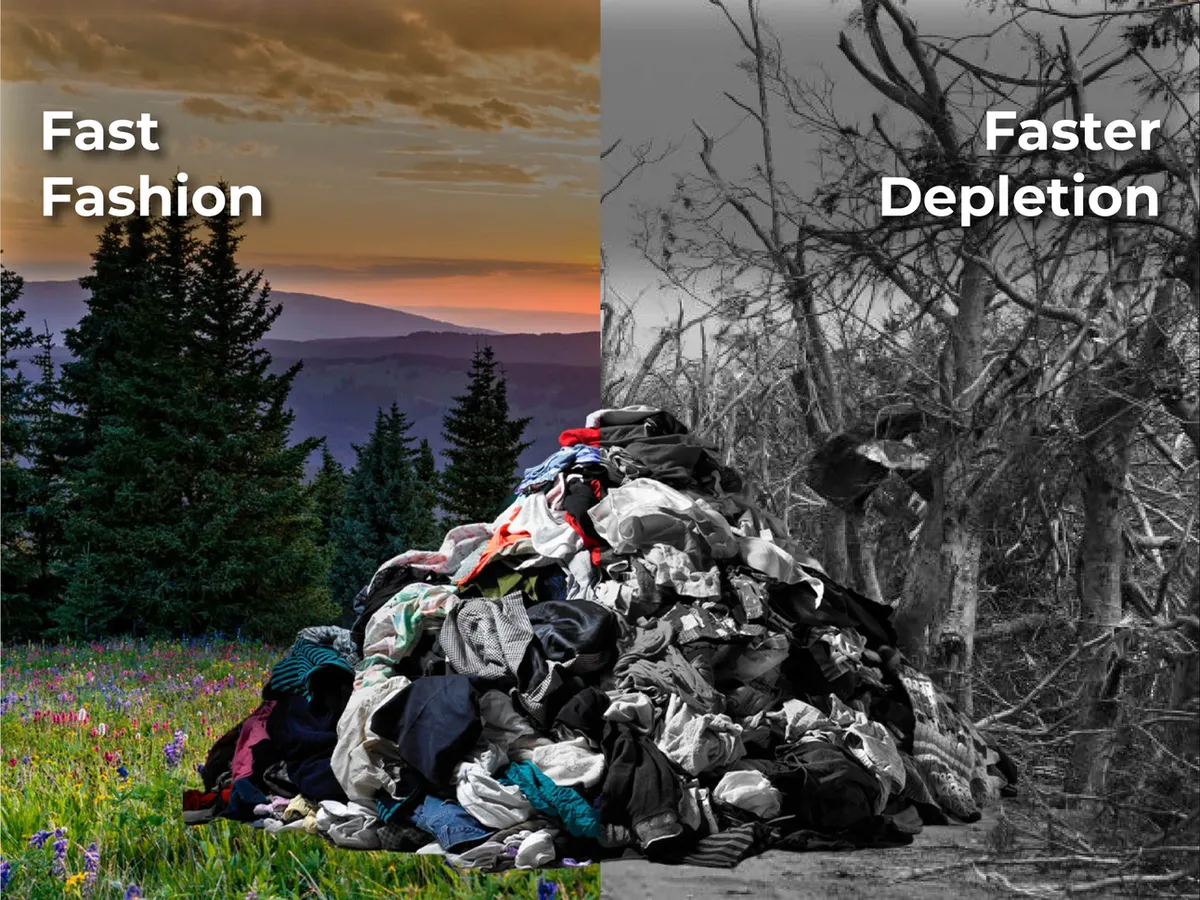
Per the 2020 European Parliament research briefing:
- One cotton t-shirt requires approximately 2,700 litres of water to produce — enough drinking water for one person for ~2.5 years.
- 20% of global clean-water pollution is attributed to the fashion industry.
- 10% of global carbon emissions are attributed to the fashion industry.
- 30%+ of garments are overproduced and disposed of without ever being worn.
Brand-level production rates per Earth.org's fast-fashion-companies analysis:
- Zara — 450 million clothing items per day at peak production.
- Forever 21 — 700 shirts per worker per day documented quota.
- Shein — 2,000–10,000 new products added daily per TIME's reporting.
- H&M — documented patterns of chemical pollutant releases into rivers and surrounding environments per Independent coverage, including cancer-causing chemical residues.
Human cost
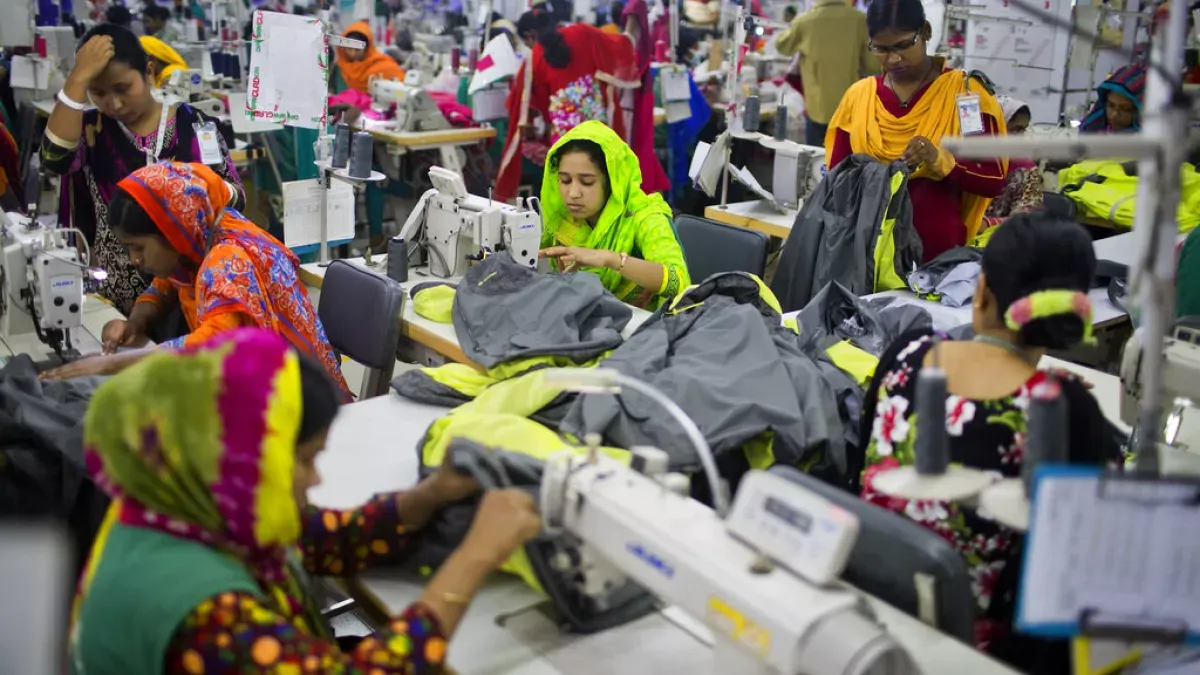
- ~75 million garment workers globally.
- Less than 2% earn a documented living wage.
- 80%+ of workers are women aged 18–35.
- Oxfam Australia's "Made in Poverty" report: 91% of Bangladeshi garment workers unable to afford adequate food for themselves and their families.
Operator-specific patterns:
- H&M accused of inhumane working conditions and failure to pay 850,000 workers a living wage.
- Forever 21 paid Los Angeles garment workers $4/hour, cheated workers of $1.1M in wages, and refused to sign the Bangladesh Accord for garment-worker safety and rights.
- Uniqlo maintains the world's largest unresolved wage-theft case — $5.5M still owed to 2,000 women workers per Clean Clothes Campaign documentation.
Brands worth considering
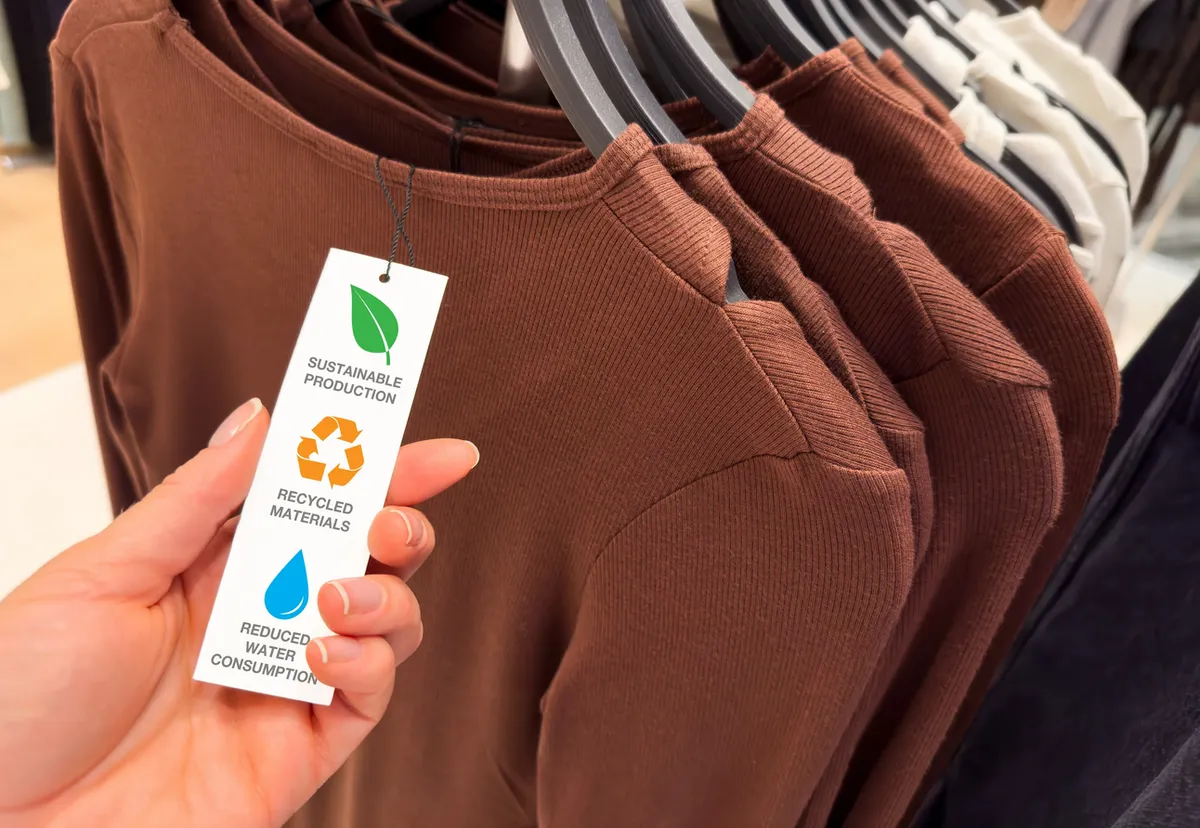
The structural alternative is to:
- Buy less. A 30% reduction in purchase frequency alone moves the variable substantially.
- Buy durable. Per-piece longevity multiplies the cost-per-wear math against the fast-fashion equivalent.
- Buy used. Thrift, vintage, consignment route no new labour through the manufacturing chain.
- Buy rented. Formal-wear and special-occasion rental services have matured into a viable substitute for one-time-use purchases.
When purchasing new, B-Corporation certification carries audited labour, environmental, and governance criteria that fast-fashion incumbents cannot meet without substantial operational change. Specific operators we've covered:
- Kotn (Egyptian cotton, B-Corp)
- Frank & Oak (Canadian, documented sourcing chain)
- Thursday Boots (US-manufactured leather goods)
For deeper coverage, our fast-fashion piece and our synthetic-fibre piece carry the broader category analysis.
What follows
For adjacent reading, see our piece on Xinjiang cotton in the global supply chain, our look at the spandex recycling-line implications, and our piece on fast-fashion's labour-cost component specifically.