
The case against synthetic fibres usually focuses on sweaters and t-shirts. The case is bigger than that. Knit and crochet pieces — the items that look most hand-made — frequently carry the same petroleum-derived materials, the same labour problems, and the same gap between price and substance as the categories the industry already concedes are a problem. We covered the underlying argument in an earlier piece on the synthetic-textile economy; this is a closer look at the categories where the label tells a different story than the garment.
Crochet — the only mass-handmade textile
Crochet stitches cannot be produced by machine. If a crocheted garment exists, a human made every stitch in it. That means the dirt-cheap crocheted pieces on Temu, Alibaba, and Shein were hand-made by workers paid in cents. The labour theory of the problem is also the labour ask: workers under those conditions have generally said they want consumer pressure on the platform, not a silent boycott — accountability is the lever they can use, and only buyers can hand it to them.
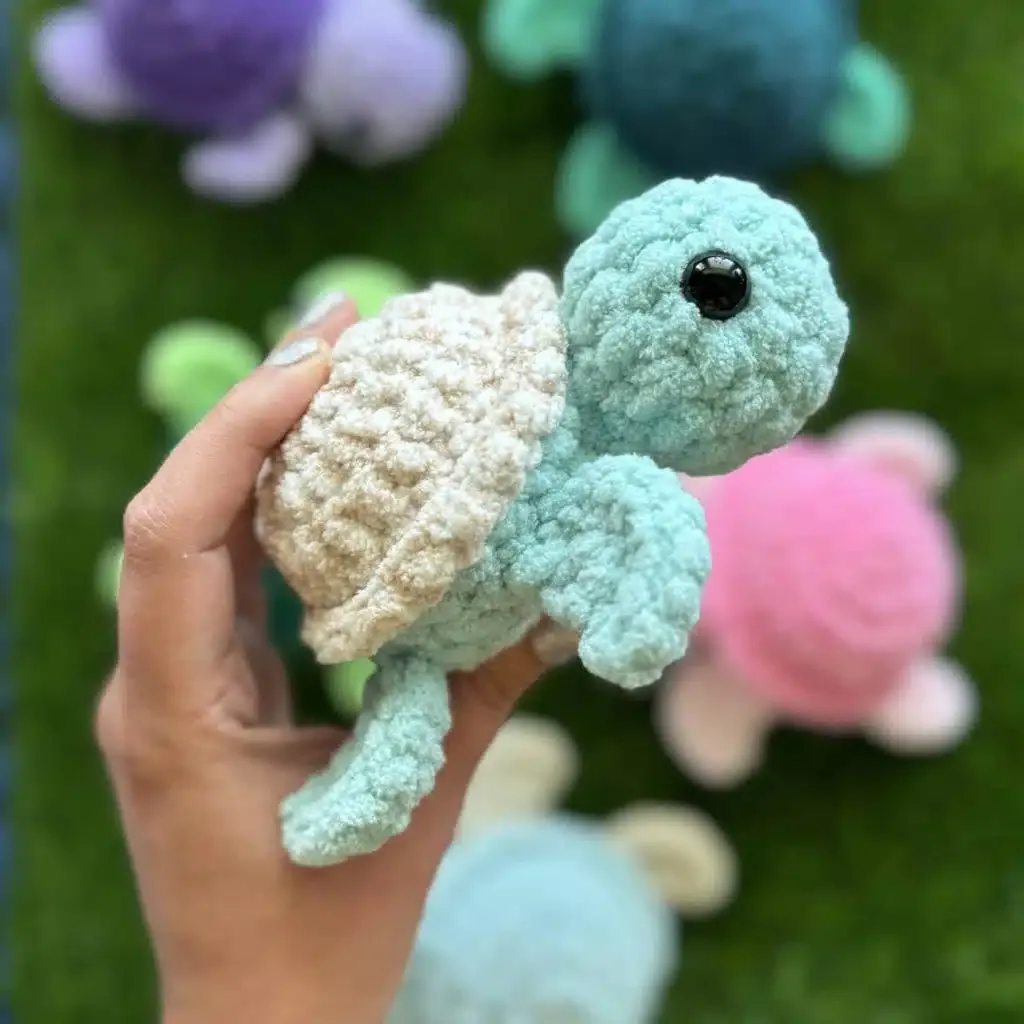
Verifying artisan claims is harder than it looks — many "handmade" listings dropship the same mass-produced inventory under different shopfronts. Buying through a vendor that publishes its sourcing chain (where the yarn comes from, who stitches it, how much they're paid) closes the gap.
Wool — the mulesing problem
Sheep over-bred for high wool yields are vulnerable to flystrike, a parasitic infection that can kill them. The industry's response in Australia (the world's largest wool exporter) has often been mulesing — surgically removing skin folds around the breech, typically without anaesthetic. A 2011 study published in Applied Animal Behaviour Science found mulesing causes severe pain that lasts for days, with measurable weight loss and elevated mortality in the period after the procedure.
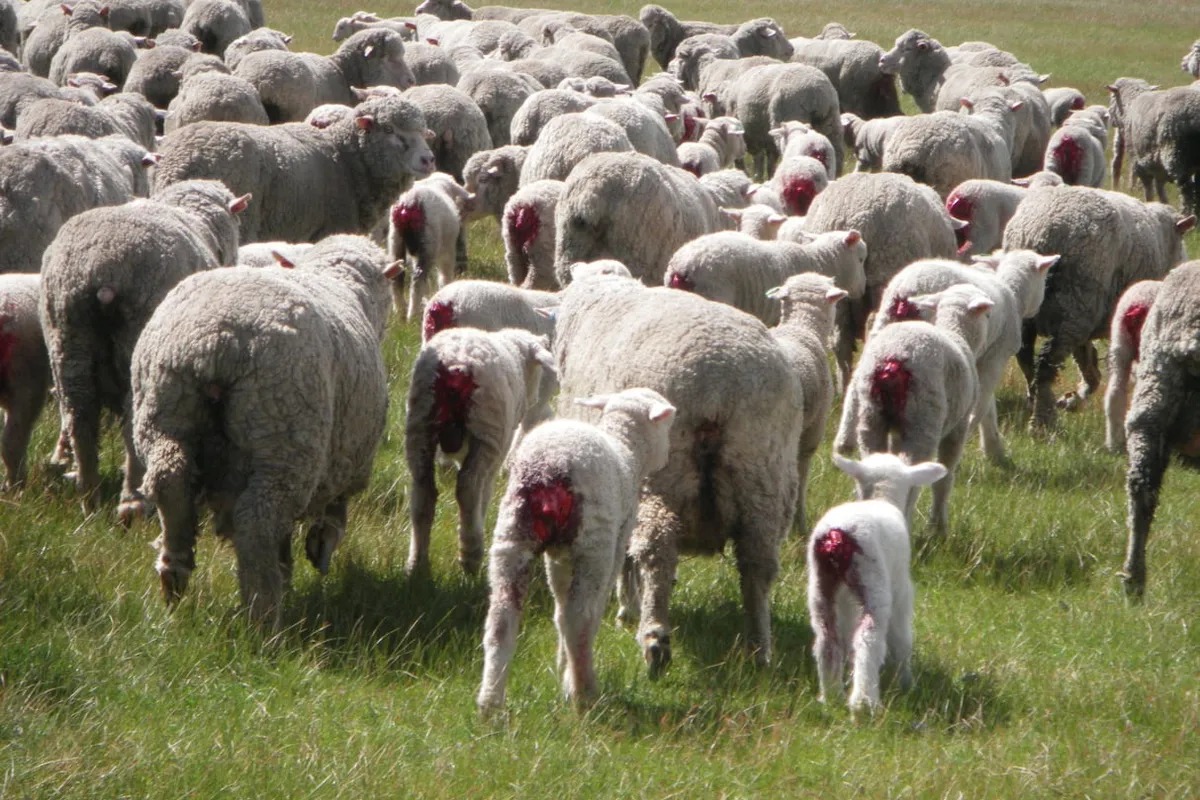
There are non-surgical alternatives — selective breeding for plainer-bodied sheep, regular crutching, fly trapping — but they require operational change rather than a one-time cut. Brands sourcing Australian wool either disclose their mulesing status or they don't; the absence of that disclosure is itself information.
Brand versus fibre — what the price tag is paying for
A premium price doesn't index for fibre quality. The example below — a $26 Nike performance sock — is 97% polyester, 3% polyurethane.
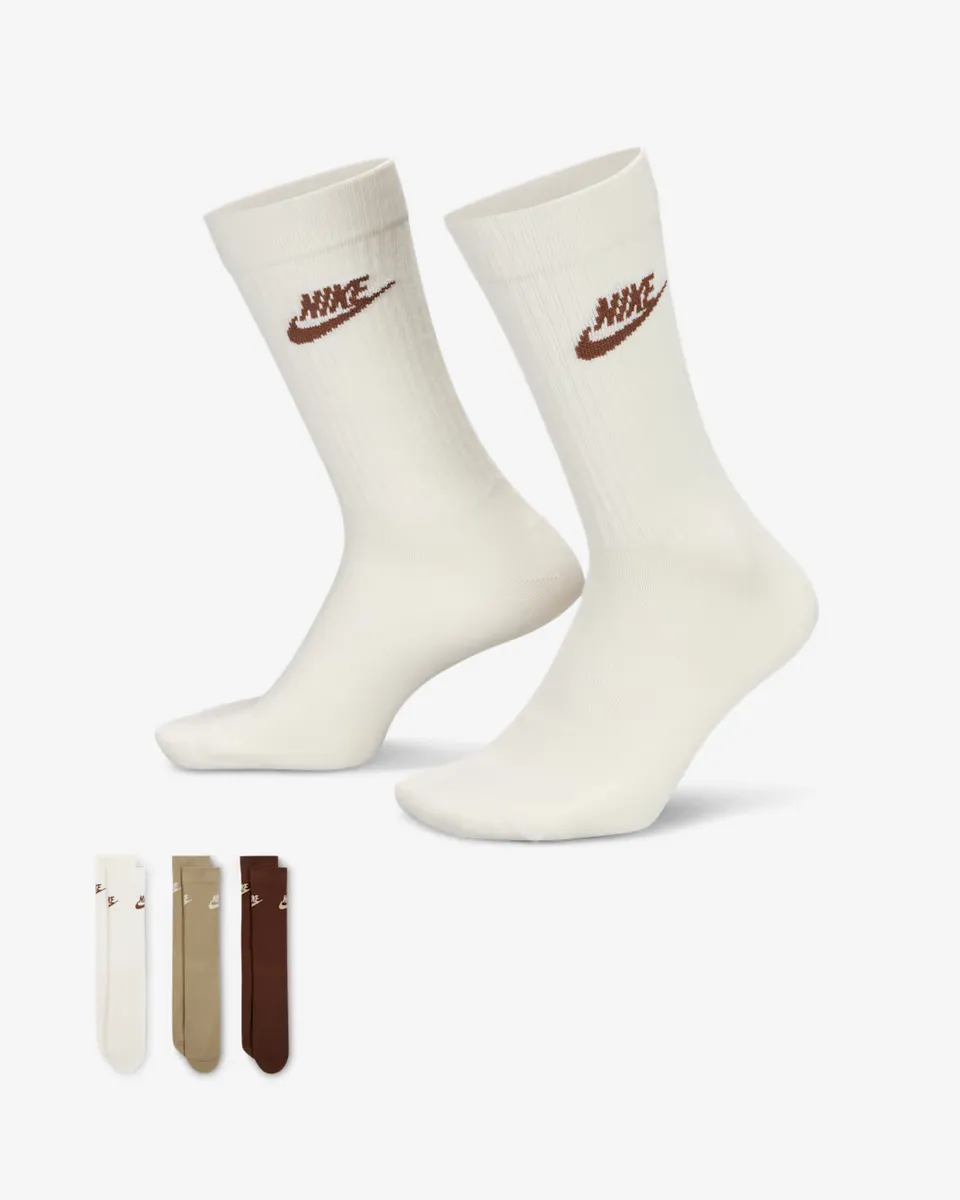
A counter-example with comparable construction at a lower price:
JB Field (Toronto, Canada)
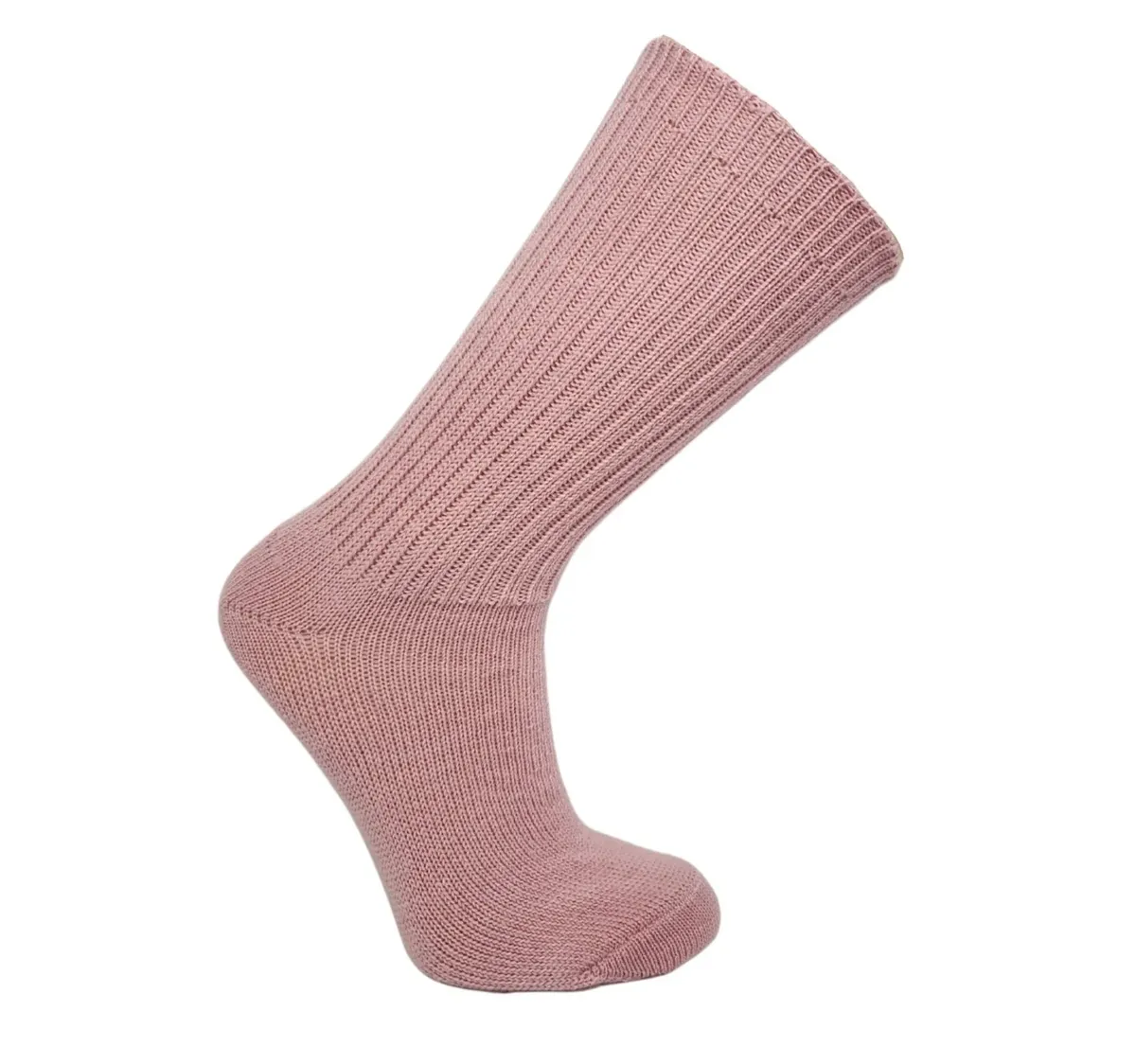
- 98% cotton or 96% merino wool depending on the line
- Yarn sourcing disclosed at the country level
- Compression options for circulation issues, diabetes, pregnancy
- Manufactured in Toronto
What separates the two examples isn't price — the cheaper option is also the more disclosed one. Brand cachet is doing the work the fibre isn't.
Underconsumption and what to look for in cotton
Kotn is an Egyptian cotton brand publishing against a fuller disclosure stack — farm sourcing, an education-funding contribution per order, a Portuguese knit partner for finished goods. Their items aren't cheap, and they aren't trying to be: the pitch is fewer pieces, longer.
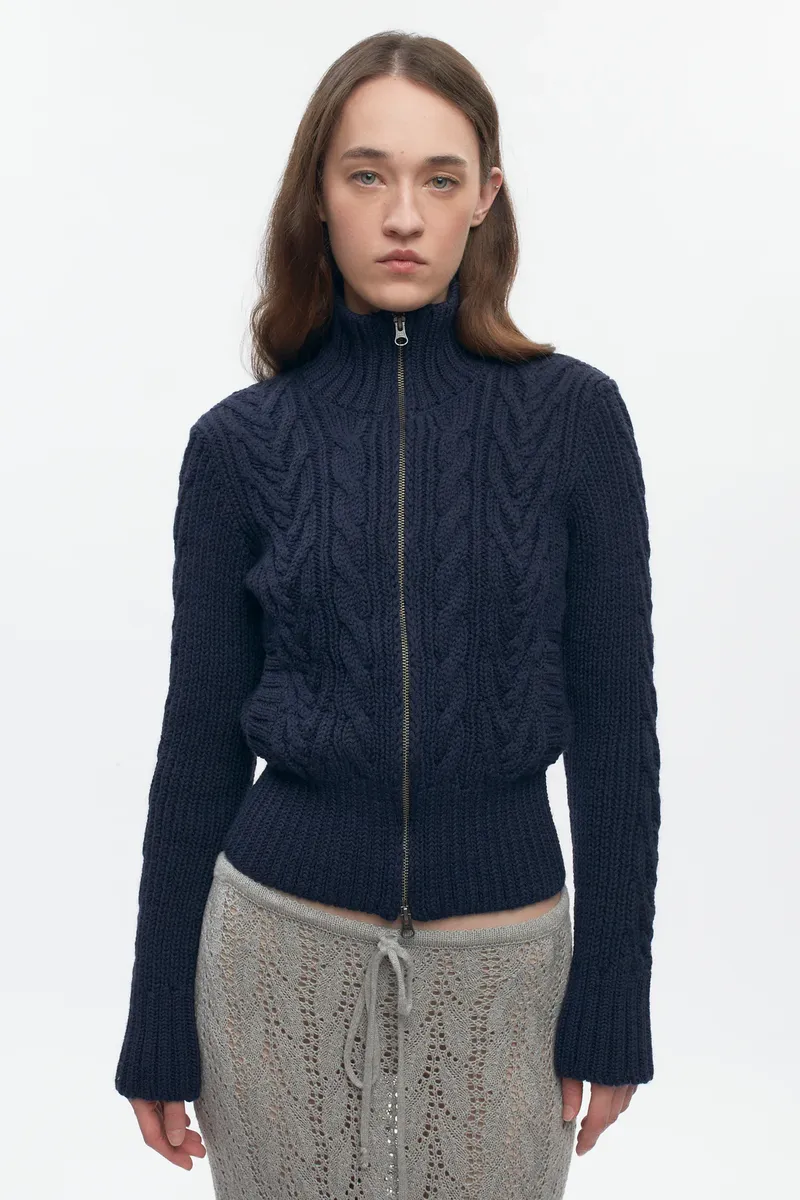
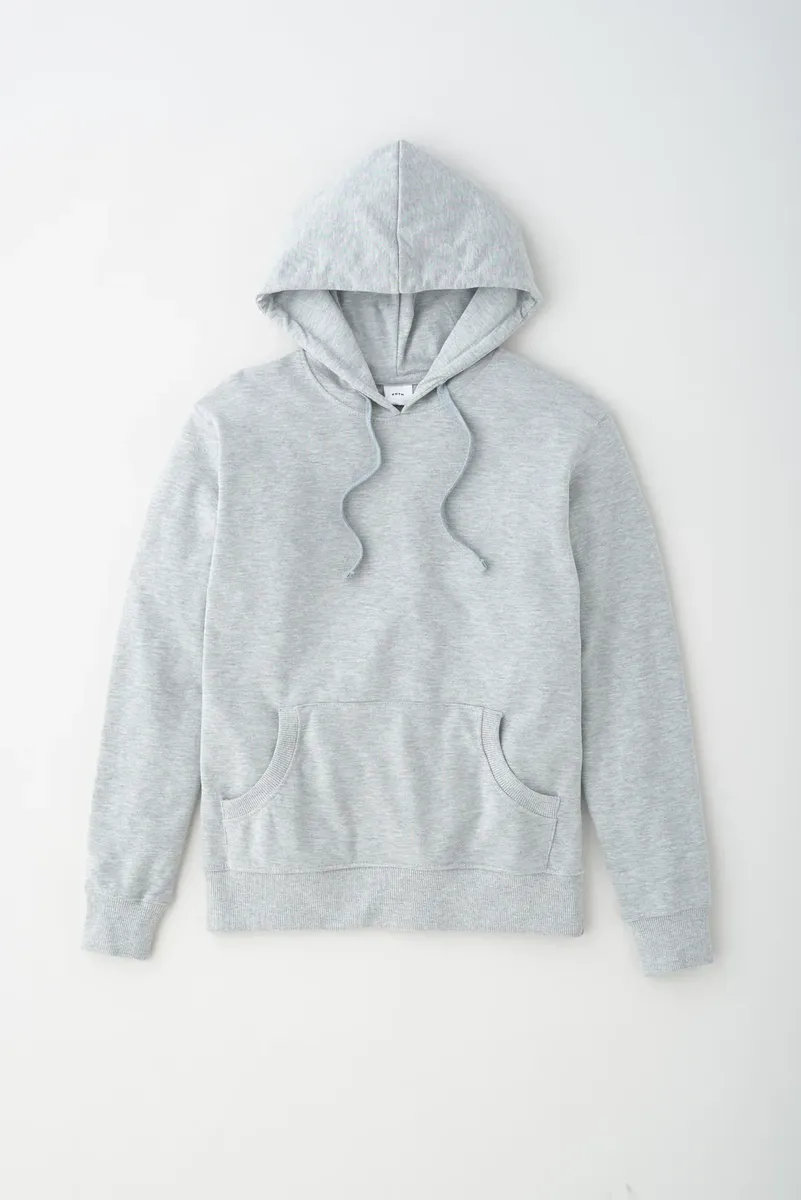
Salaaz hasn't independently audited Kotn's farm-level claims; their published sourcing is the source for now.
The textile-industry questions worth asking before you pay aren't about the brand. They're about the fibre composition on the label, the country named on the country-of-origin line, the stitching method for handmade pieces, and the mulesing status for wool. See our framework for evaluating apparel brands for the longer checklist, and our piece on the spandex problem for why blended synthetics show up in places you didn't expect.