
Two public-health rankings published in the past decade have placed alcohol above methamphetamine, cocaine, and tobacco on aggregate societal harm: the Otago University 2020 ranking and the Centre for Addiction and Mental Health (CAMH) Canadian replication. The classification gap between "drug" and "alcohol" is regulatory and cultural; the pharmacology doesn't recognise it.
The Canadian fiscal picture
A 2024 Canadian Journal of Public Health paper put the annual net cost of alcohol consumption in Canada at approximately $19.4 billion — healthcare load, productivity loss, criminal-justice cost, and family-system effects, less the tax revenue from alcohol sales. The net figure runs at approximately a $6 billion deficit annually against the revenue line.
A 2020 Otago University ranking found alcohol causes more aggregate harm than every illegal drug combined when total social cost is calculated; CAMH's 2021 replication on Canadian data reached the same ranking position.
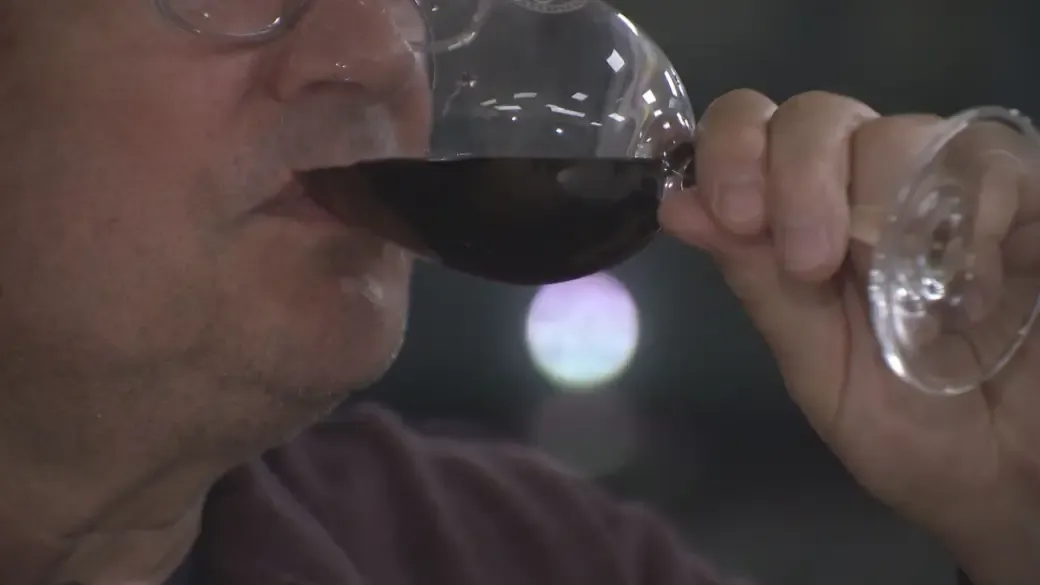
What policy could move and what is moving
Cancer warning labels have been recommended by Canadian public-health experts for several years; the WHO formally ended its safe-level guidance in a 2023 statement holding that no level of alcohol consumption is safe. The Ontario government, in policy direction running opposite to these public-health recommendations, expanded alcohol retail access into grocery and convenience-store channels in summer 2024 — explicitly framing the change as consumer choice.
The structural problem is that the alcohol industry's lobbying interests and the public-health interests are not aligned, and the regulatory environment historically tracks the former more closely than the latter.
What the consumer-side answer actually requires
Tapering or eliminating personal alcohol consumption isn't only a health choice; it's a social-coordination problem, because consumption norms are reinforced at the social-event level. Three practical positions:
- Sober reality as a baseline. The neuropharmacology of long-term alcohol use is documented; using ethanol as a cognitive-load coping mechanism doesn't actually move the cognitive load, it shifts it temporally and adds liver, cardiovascular, and cancer risk on top.
- A position at social events. The social-pressure dynamics around alcohol consumption work largely through perceived moral contrast — abstainers create discomfort, and that discomfort gets directed back at them. Knowing the data above makes the position easier to hold.
- Substitute the format, not the experience. The mocktail and non-alcoholic-wine categories have matured substantially in the past five years.
Two non-alcoholic alternatives
Pakola (carbonated)
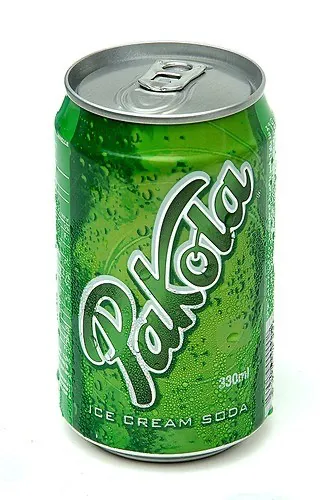
- Pakistani-origin soft drink, established 1950.
- Widely available through South Asian and Middle Eastern grocers in North America.
- No alcohol, full carbonation, distinct flavour profile.
Jukes Cordialities (UK)
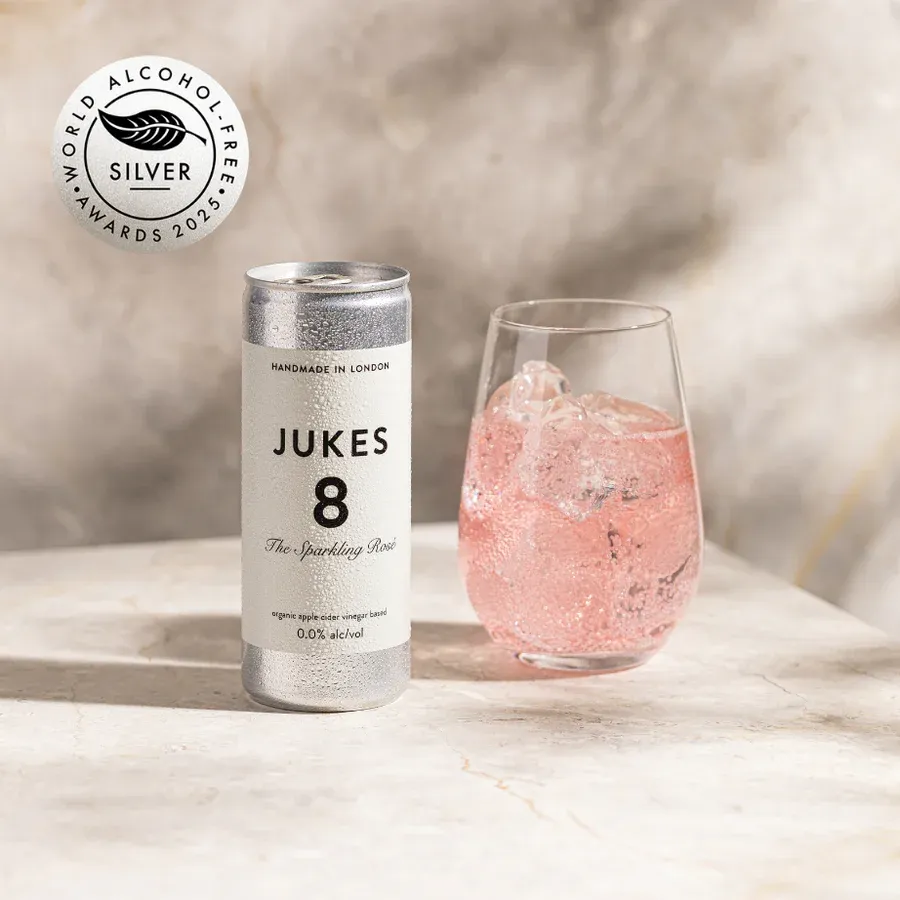
- Founded by sommelier Matthew Jukes.
- Cold-pressed botanical formulations across rosé, white, and red equivalents.
- Clean-ingredient natural formulation; available through specialty importers in North America.
Salaaz hasn't independently audited either operation; published product specifications are the source.
What follows
The alcohol-as-cultural-baseline assumption is the part of the equation that's hardest to move, and the part that does the most public-health work when it does move. Cancer warning labels are a years-overdue start; consumption norms shift slower.
For adjacent reading, see our piece on sugar-sweetened beverages and the broader corporate-soft-drink market, our look at mental-health access gaps and coping infrastructure, and our piece on the manufactured-demand pattern.